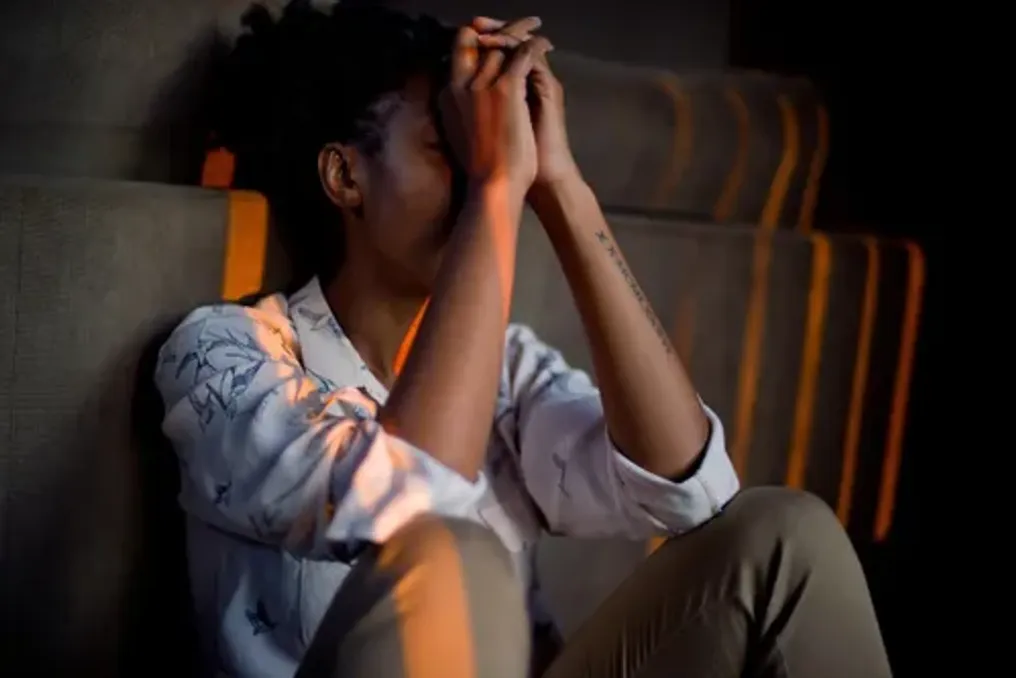
How to react if someone says they have mental health problems
Read more
IOL
iol.co.za

How to react if someone says they have mental health problems

On the eve of World Mental Health Day, observed on October 10th, a simple question like 'Are you okay?' can be an important start to a conversation with someone who may be going through difficulties. While asking this question is easy, reacting to it is harder if the answer is not the expected 'Yes, I'm fine, no complaints, how about you?'

World Mental Health Day is held annually on October 10th to raise awareness about mental health issues and mobilize efforts to support mental well-being worldwide. This year, the World Health Organization's theme is 'Experience Heard: Real Voices, Real Change,' which emphasizes the importance of having people with life experience heard and involved in decision-making regarding mental health services and support.

Although one conversation cannot solve mental health problems, opening the possibility to talk can reduce the feeling that a person has to cope with their difficulties alone.

What should you say?

If, in response to 'Are you okay?', a person says they are not well, the first reaction might be to immediately offer advice or try to fix the problem. While this is acceptable, the most helpful thing you can do is listen. When supporting someone who may be struggling, it is important to let them know you care, offer space for conversation, and assure them that you are willing to listen—and listen not to reply.

Open-ended questions can also help sustain the conversation. Instead of immediately asking what the person plans to do about their problem, questions like 'How have you been feeling?' or 'What has been happening?' give them the opportunity to explain their experience.

You can also say:

Phrases such as: 'I'm glad you told me,' 'Do you want to talk about what's going on?', 'I'm here to listen,' or 'What could help you right now?' can be used. The goal is not to give the perfect answer, but to create an atmosphere where the person feels free to speak without fear of judgment.

Don't force the person to talk

Asking if someone is okay does not mean they are obligated to open up. You should not force anyone into a conversation or push them toward getting help until they are ready themselves. Instead, you need to provide them with space, listen without judgment, and let them know you are available if they want to talk. It is also helpful to return to the topic later.

A person may not feel comfortable discussing what they are going through during the first conversation. This does not necessarily mean they don't need support; the main thing is to keep the possibility of communication open.

What to do if the conversation becomes serious?

If someone reports feeling hopeless, wanting to die, or thinking about suicide, it is crucial to take their words seriously. The WHO states that talking about suicide is normal, and that asking about suicidal thoughts does not prompt a person to act on those feelings. According to this organization, a direct question can, on the contrary, reduce anxiety and help the person feel understood. In such a situation, you can calmly and directly ask: 'Are you thinking about suicide?'

If a person is in immediate danger of harming themselves, professional or emergency help must be sought. In South Africa, the South African Depression and Anxiety Group (SADAG) provides a free, 24-hour suicide prevention hotline at 0800 567 567. They also list the Cipla mental health hotline at 0800 456 789, and their office number 011 234 4837 is available from 8 am to 8 pm.

You don't need to have all the answers

One of the biggest obstacles to starting a conversation about mental health is the fear of saying the wrong thing. However, checking on someone does not require you to be a counselor or necessarily have the solution to their problems. Sometimes the most helpful response is simply listening. You can ask if the person wants advice or prefers to be listened to. You can also offer practical help, such as helping them find professional support or accompanying them to an appointment, if they wish.

The conversation shouldn't end with one question

The question 'Are you okay?' does not have to be a one-time question asked only because it is World Mental Health Day. Genuine interest can be as simple as sending a message, making a call, having a cup of tea together, or asking how the person is truly doing. It is also worth planning mental health conversations when both people have time and choosing an environment where the discussion feels comfortable. Thus, the message of World Mental Health Day is not that one question can fix a person's mental health. It is that the question can create an opportunity for listening—and sometimes providing a person with space to talk about what they are going through is the beginning of a conversation.

Similar stories

Benefits for guardians of adults with severe intellectual disabilities will be assigned automatically in Uzbekistan
Read more
podrobno.uz

Benefits for guardians of adults with severe intellectual disabilities will be assigned automatically in Uzbekistan

An updated regulation for providing benefits to guardians of adult individuals suffering from severe forms of intellectual disability has been approved in Uzbekistan. Now, the decision on granting this financial support will be made automatically.

The right to receive the benefit belongs to the official guardians of citizens who have reached the age of eighteen, provided they have the established corresponding diagnosis. This payment is intended directly for the person who officially cares for and looks after their adult ward.

The main innovation lies in changing the procedure for assigning the benefit. As soon as the necessary information is received, the decision to provide the payment will be generated automatically, which is intended to reduce the volume of individual administrative actions that guardians previously had to perform.

It was previously mentioned that the National Agency for Social Protection, together with the World Bank, held discussions regarding new criteria for determining social assistance. When assessing the level of need, it is planned to take into account not only the family's income level but also the presence of disability, chronic diseases, and the number of children, among other factors.

Poverty is rising in Pakistan: 48% of the region's poor population lives here, creating difficulties in securing sustenance
Read more
www.aajtak.in

Poverty is rising in Pakistan: 48% of the region's poor population lives here, creating difficulties in securing sustenance

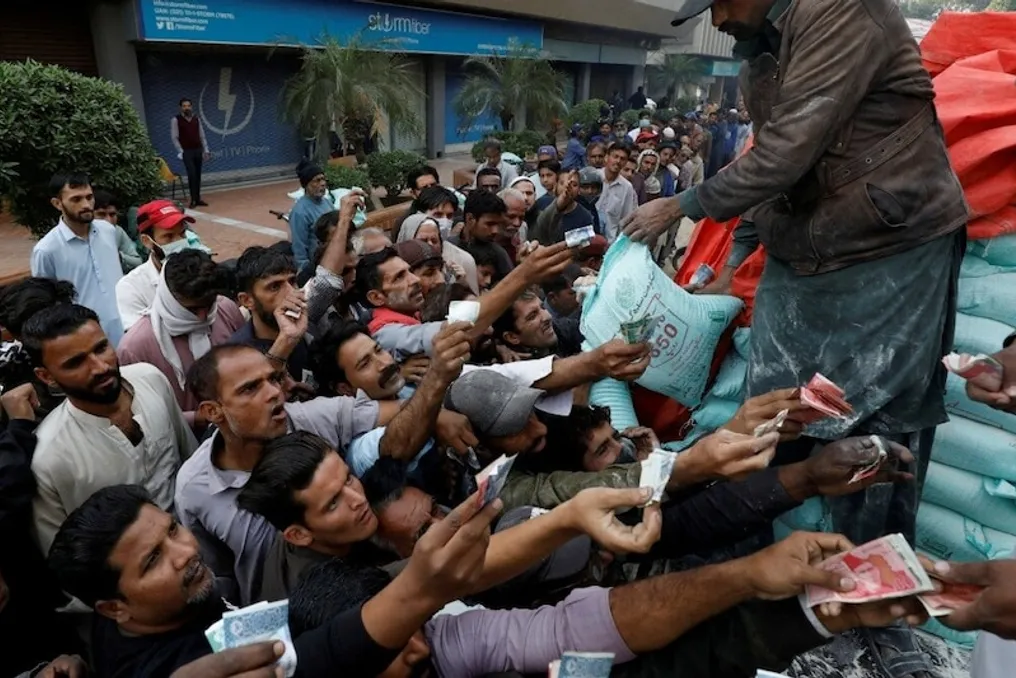
Despite forecasts of economic growth in Pakistan, the financial situation of ordinary citizens looks different. Rising prices, high fuel costs, and reduced employment opportunities are exacerbating the population's problems. According to a World Bank report, about 48% of the poor population in the Middle East, North Africa, Afghanistan, and Pakistan (MENAAP) region is forced to live on less than $3 per day, with the majority of these poor people being from Pakistan.

This means that Pakistan accounts for nearly half of the poor residents in the entire region. The difficulty lies in the fact that the pressure of poverty is not easing but, on the contrary, intensifying. In Pakistan, the poverty rate among the population living on less than $3 daily has increased by 6.4 percentage points between the 2018-19 and 2024-25 fiscal years. A similar increase was noted in the poverty rate at the $4.20 per day level, which rose by 3.2 percentage points.

The World Bank indicates that the rise in poverty in Pakistan is due not to one cause, but to a number of economic shocks. These include the coronavirus pandemic, the devastating floods of 2022, sharp inflation, currency depreciation, and prolonged economic reforms, all of which have negatively affected people's incomes and employment opportunities. Thus, the country faces the task of stabilizing the economy while simultaneously managing the daily expenses of ordinary families. The World Bank also noted that MENAAP remains a region where the poverty rate is still higher than before the COVID-19 pandemic.

Pakistan's problems are not limited to poverty. Rising fuel prices amid conflicts in West Asia have further increased economic pressure. According to the report, gasoline prices in Pakistan and some other countries have risen by 40% or more, while diesel fuel has become 40% or more expensive. This directly affects the pockets of ordinary people. The increase in fuel prices raises transportation and delivery costs, which in turn affects the price of other goods. For families already suffering from inflation, this makes managing expenses even more difficult.

The World Bank warns that the greatest burden of high food and fuel prices falls on poor families. Such households spend between 35% and 50% of their total income exclusively on food. This means that even a small increase in food prices can disrupt their entire budget. While wealthy families can compensate for increased spending by cutting costs in other areas, poor families have very few such options.

Another problem in Pakistan is related to remittances coming from Gulf countries. A decrease in these inflows can put pressure on Pakistan's foreign exchange reserves and family incomes. Furthermore, there is a risk of increased borrowing costs and pressure on the country's external payments and state budget. Dependence on oil imports exacerbates Pakistan's difficulties, turning expensive fuel from a local gas station issue into a challenge for the entire economy.

The World Bank forecasts a 3.8% growth in Pakistan's economy in the current fiscal year. However, during the same period, inflation is expected to reach 8.2%. Excluding the effect of population growth, real GDP per capita is projected to grow by only 2.2%. This represents the main dilemma of the Pakistani economy: growth is visible on paper, but the path to relief remains difficult for the average citizen due to inflation and daily expenses. The benefits of economic growth will only be felt when people's real income improves and necessary goods become affordable for them.

The World Bank recommended against providing broad subsidies, instead suggesting direct financial aid to needy families through targeted cash transfers. This would support the most affected groups and limit the burden on the state treasury. Currently, Pakistan faces a dual challenge: maintaining economic development momentum while simultaneously helping families struggling with poverty and inflation. Although statistical development indicators are important, the true test lies in how much the lives of ordinary people improve.

Popular