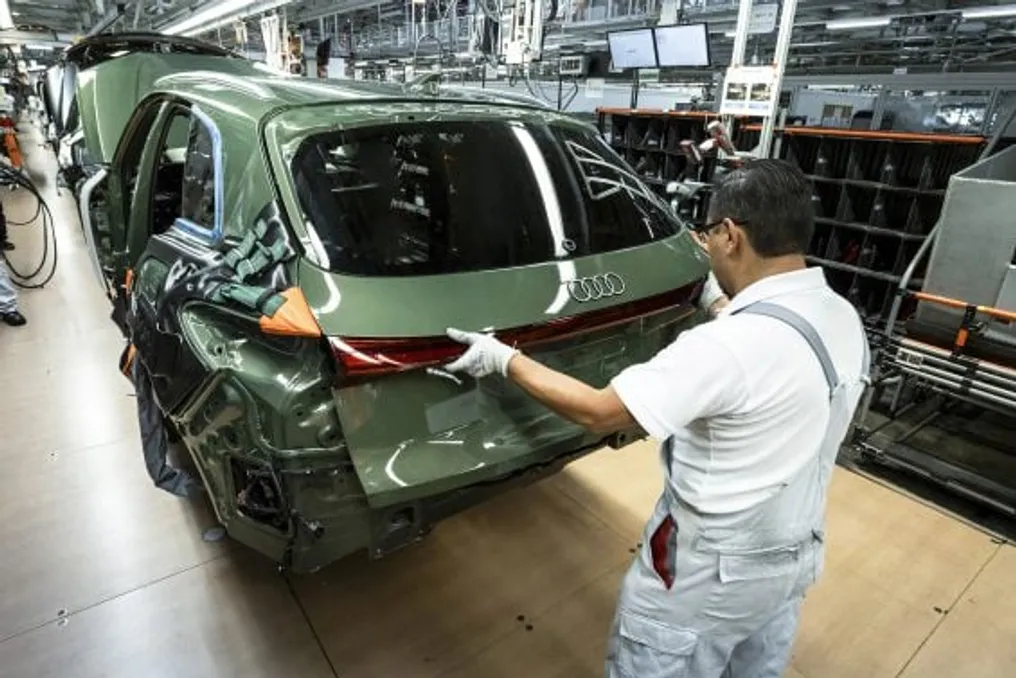
Audi has implemented an unusual strategy to manage idleness in its engineering and production areas by offering its professionals the possibility of being seconded to companies outside the automotive sector. This modality, comparable to the transfer of athletes between clubs, allows engineers specialized in engines, chassis, and embedded systems to be allocated to companies in the defense, aerospace, and combat systems industries for a maximum period of twenty-four months.
This initiative is being conducted in southern Germany, specifically in the industrial states of Baden-Württemberg and Bavaria. It arises in response to two contrasting dynamics: on one hand, there is the rapid European rearmament and the shortage of qualified labor in the arms segment; on the other hand, the automaker, part of the Volkswagen group, faces challenges such as high energy costs, the need to transition to electric vehicles, and increasing competition from Asia, which has resulted in temporarily underutilized production capacity.
Large corporations such as Airbus, MBDA, Diehl, and KNDS, which operate with missiles, aircraft, ammunition, and ground armored vehicles, are receiving these specialists to resolve critical bottlenecks in delivery schedules. For the employee, participation is entirely voluntary, ensuring that their original contract with the manufacturer and their remuneration are fully preserved, which helps prevent mass layoffs and maintains the professional bond during the temporary absence.
Although this model presents managerial advantages both for absorbing surplus personnel and for accelerating development in defense, it raises ethical discussions and structural concerns in Europe. Critics argue that there is discomfort in directing civilian technical competencies, developed for private mobility, towards the military industry during periods of spending polarization. Trade unions are also closely monitoring the process to ensure that the decision is free, that there is no discrimination against those who choose to refuse the agreement, and that the return after two years occurs without career penalties or punitive restructuring. The precedent set by Audi serves as an indicator for the global industry on how brands seek alternatives to traditional dismissal to manage demand crises while simultaneously strengthening the economy.