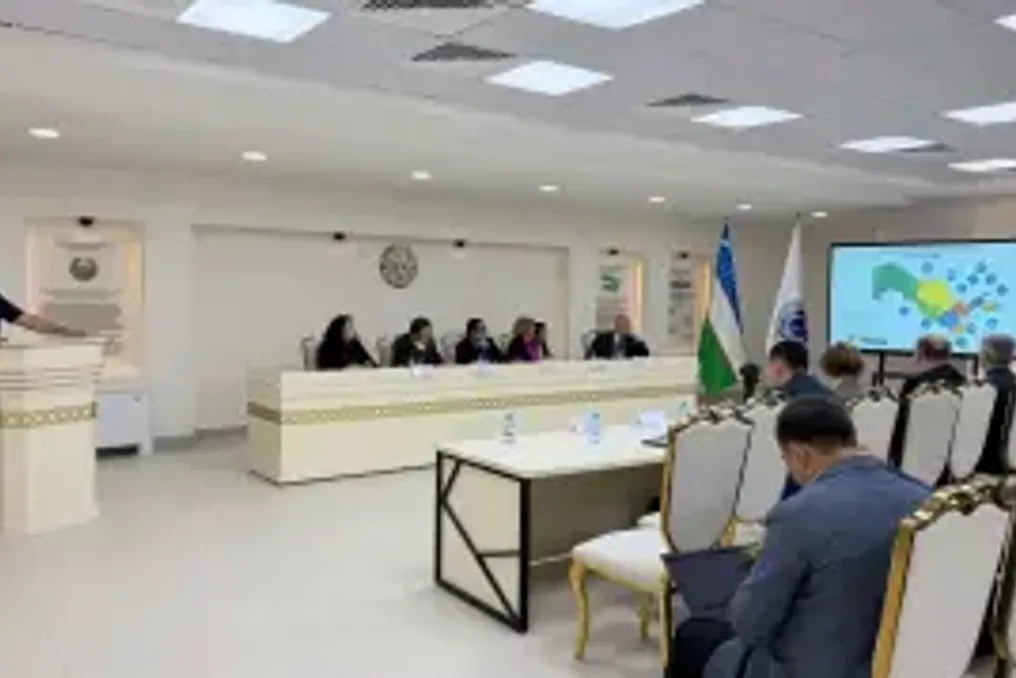
A meeting of the Interorganizational Expert Council was held within the Committee for Sanitary and Epidemiological Surveillance and Public Health to discuss measures being implemented in the fight against IBD and forces, as well as international cooperation and future tasks.
Similar stories
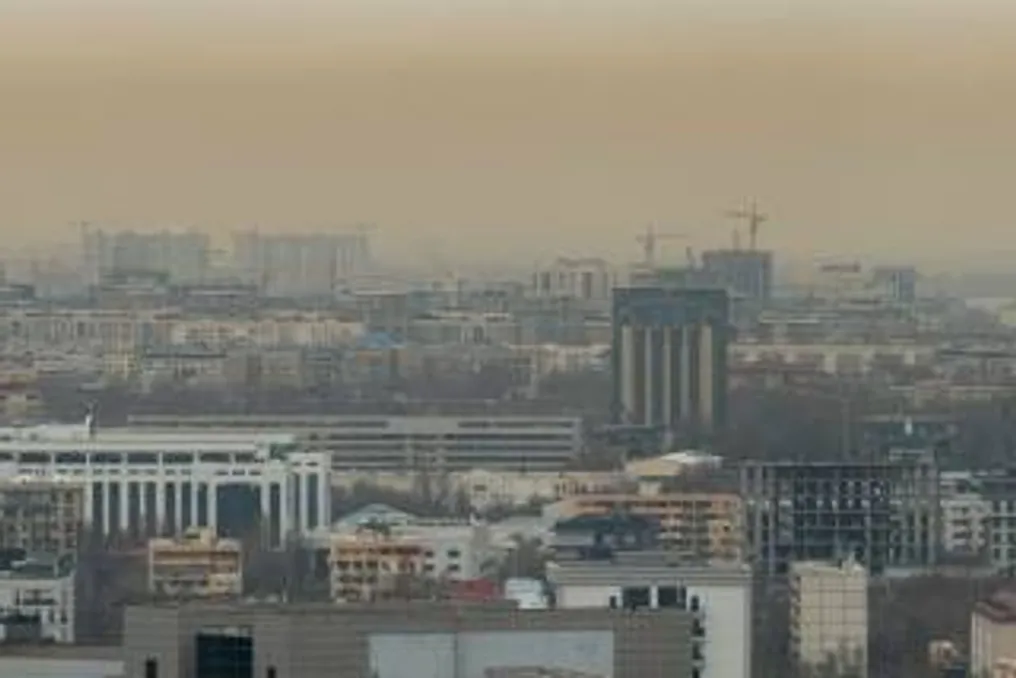
Tashkent's Ecological Status: IQAir Data Shows High Air Pollution Levels
When the air color is red, it is easy to find the culprit in one place. However, the figures demonstrate that the air problem in Tashkent is much more serious. On the morning of October 6, IQAir monitoring recorded 'red' indicators for the air in Tashkent again.
The overall Air Quality Index (AQI) in the city was 132, and at some stations, it reached 147–159. An AQI level in the range of 101–150 is considered harmful to sensitive groups of the population, while values from 151 to 200 are classified as dangerous for everyone. This is a serious warning.
The main pollutant at the moment was PM2.5—very fine particles capable of penetrating deep into the lungs. At some points, the concentration of PM2.5 reached 59.7–67 micrograms per cubic meter. Such a level can exacerbate respiratory problems, as well as aggravate heart and lung diseases, especially in children, the elderly, and people with chronic illnesses.
Coordination of Medical and Social Services
A person's health and social well-being are closely interconnected. This is especially true for citizens in need of social protection, for whom timely medical examinations, use of necessary expertise, referral for rehabilitation, and receipt of social services are critically important.
For this reason, one of the important tasks is to ensure interaction between responsible departments and organizations, as well as to organize these processes based on a unified approach to service provision.

Uzbek students continue to learn about world events through pictures
The process of informing Uzbek students about incidents and events that have occurred globally using pictures continues.