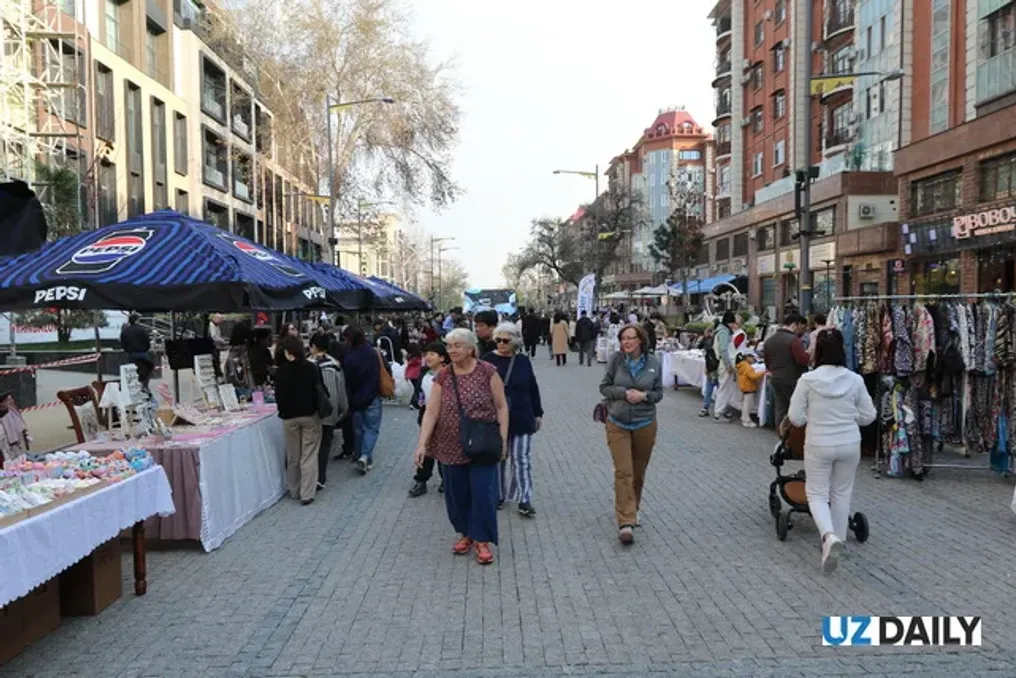
According to forecasts, the number of citizens in Uzbekistan aged 65 and over may increase almost 2.6 times: from 2.4 million people at the beginning of 2026 to 6.1 million by 2050. These forecasts were presented by the United Nations Population Fund (UNFPA) on the occasion of International Day of Older Persons.
UNFPA notes the continued growth in life expectancy in Uzbekistan. Life expectancy at birth has risen from 73 years in 2010 to 75.4 years in 2025. The average life expectancy reached 77.3 years for women and 72.9 years for men.
Although Uzbekistan remains a relatively young country, the proportion and number of elderly people are gradually increasing. As of January 1, 2026, there were about 2.4 million people over 65 in the country.
UNFPA forecasts show that by 2030, the number of such people could rise to approximately 3.1 million, by 2040 to 4.4 million, and by 2050 to 6.1 million. Simultaneously, the share of this age group in the total population is also growing. In 2025, people over 65 accounted for about 6.2% of Uzbekistan's population; it is expected that this figure will reach 7.4% by 2030, 9.5% by 2040, and 12% by 2050. Thus, by the middle of the century, approximately one in eight residents of Uzbekistan may be over 65.
UNFPA emphasizes that increasing life expectancy is a significant achievement, but demographic changes require adaptation of healthcare, social security, education, employment, and housing systems.
Furthermore, older people are viewed not only as recipients of social assistance but also as active participants in society. They contribute to raising grandchildren, supporting their families, passing on professional and life experience, and participating in the life of mahallas, workplaces, and local communities.
The organization insists that preparation for a longer life should begin long before a person reaches the age of 65. A person's aging is influenced by health, education, working conditions, financial stability, and social connections throughout life.
According to UNFPA, healthcare systems must pay more attention to maintaining people's health, functional abilities, and independence. The social protection system must provide not only support in difficult situations but also security and decent living conditions. Lifelong learning and more flexible opportunities for retaining employment can also play an important role.
UNFPA notes that a longer life combined with good health and opportunities for active participation in social and economic life can become a resource for families, communities, and the economy—the so-called 'longevity dividend.'
The Fund also highlights that the problem of population aging affects not only the elderly, as aging is a process that lasts throughout life. Decisions made today in the fields of healthcare, education, employment, and social protection will determine the living conditions of future generations.
The 2026 census will provide an additional basis for planning such measures by offering new data on changes in Uzbekistan's demographic structure.
UNFPA concludes that preparing for a longer life is not just a reaction to population aging, but also creating a society where people can maintain health and safety, participate in society, and realize their potential at every stage of life.