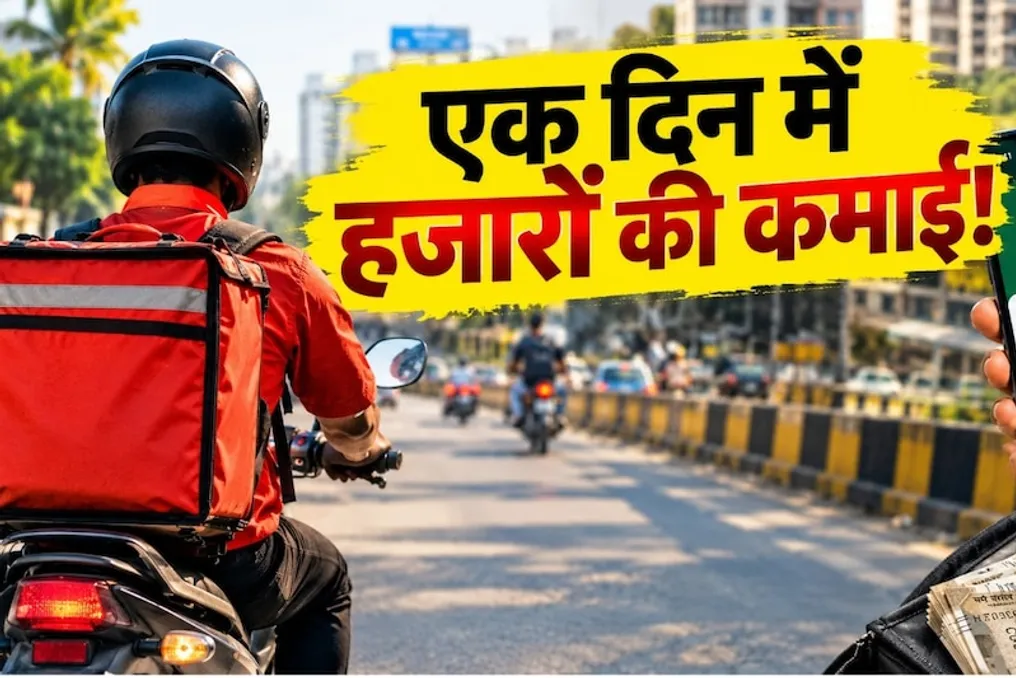
Former mechanic becomes bike rider and earns thousands of rupees
Read more
Aaj Tak
www.aajtak.in

Former mechanic becomes bike rider and earns thousands of rupees

During a recent podcast, several gig economy workers shared their earning experiences. They reported that they can earn from 40 to 60 thousand rupees, and with more intensive work, it is possible to earn up to 100 thousand rupees per month.

Vijay Kumar from Pratapgarh, who has been delivering since 2018, stated that he worked on a bicycle for Zomato for a long time. According to him, his income reaches 30–35 thousand rupees, and sometimes 40 thousand per month.

Raj, who participated in the podcast, recounted that he started working in this field through a friend. He came with small hopes, having only 3 thousand rupees. Now he earns significant sums. Previously, he worked as a hired laborer, and after entering the sector, his friend provided him with a scooter. Raj claims to earn 1700, 1800, or 2000 rupees daily plus.

Raj works for Rapido because his task is simply to take the client from one place to another. He prefers working as a bike rider because he dislikes delivery, which involves difficulties such as waiting to pick up or drop off goods, as well as climbing many flights of stairs.

It should be noted that in recent years, the gig worker economy in India has experienced a boom, especially in large cities where many people work as couriers or bike riders. To enter this field, one must go through a certain procedure. According to various reports, many riders earn an average of 30 to 50 thousand rupees per month, but each has their own achievements and challenges.
Similar stories

Debunking the High Salary Myth: How Much Does a Courier Actually Earn After Expenses
Read more
www.aajtak.in

Debunking the High Salary Myth: How Much Does a Courier Actually Earn After Expenses

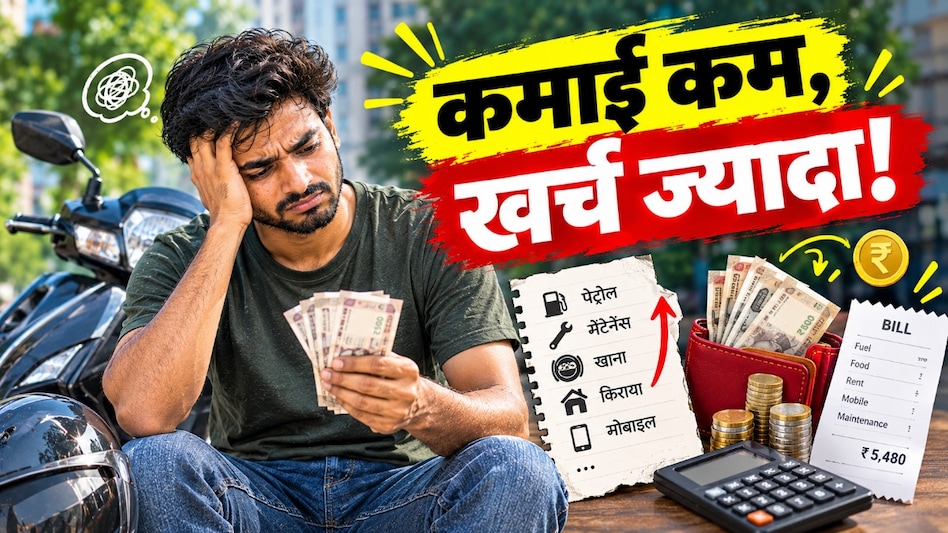
Information is often circulated on social media claiming that delivery or taxi workers can earn between 30,000 and 50,000 rupees per month. Platforms such as Swiggy, Zomato, Zepto, or Blinkit advertise earning potential up to 30,000 rupees. However, this amount is not the net profit for the courier or driver because it includes numerous deductions and expenses.

Understanding this process is critically important, as commissions deducted directly by the platform, as well as expenses the worker must cover out of pocket, plus fines or losses, significantly reduce the advertised income. When all these conditions are taken into account, the actual amount a worker can take home from a total revenue of 30,000 rupees turns out to be much less.

Let's provide examples to illustrate these costs. Regarding direct deductions by platforms, Swiggy charges about 1,500 rupees for registration, which is deducted from the worker's earnings in installments. Zepto retains a connection fee, training, quality maintenance fee, and deposit from the worker's payments. Uber deducts its service commission, as well as fees set by the city or local authorities. Rapido levies a subscription fee on the captain, including taxes, for using the platform, with payments to the worker always made after deducting applicable taxes.

Furthermore, there are several expenses that the worker must pay independently. They must cover all costs associated with operating and maintaining the vehicle, such as a two-wheeled motorcycle. Workers without their own transport have to rent a bicycle, car, or motorcycle, which becomes another major expense from their income.

The worker also bears the cost of a smartphone necessary for work. Additionally, they are obliged to purchase mandatory vehicle insurance, personal accident insurance, and medical insurance.

Another significant factor affecting earnings is fines and losses. If the worker damages an order due to carelessness, delivers it incorrectly, or cancels it before receipt, the worker will not receive a service charge for that order. In case of damage or theft, compensation or a fine may also be deducted from the worker's payments.

Thus, after deducting platform commissions, taxes, fuel costs, rent, maintenance, smartphone, insurance, and fines, the amount remaining from the gross income of 30,000 rupees is quite modest. This is why the advertised total earnings and the actual net profit differ greatly, indicating that the job of a courier or driver is not as simple as it seems.

Rider discusses high-earning formula while working without his own motorcycle
Read more
www.aajtak.in

Rider discusses high-earning formula while working without his own motorcycle

Modern life allows people to receive necessary goods online in minutes, and couriers are responsible for this speed. These workers often perform hard labor, delivering orders even late at night. The story of one such rider shows how one can earn money even without owning their own vehicle.

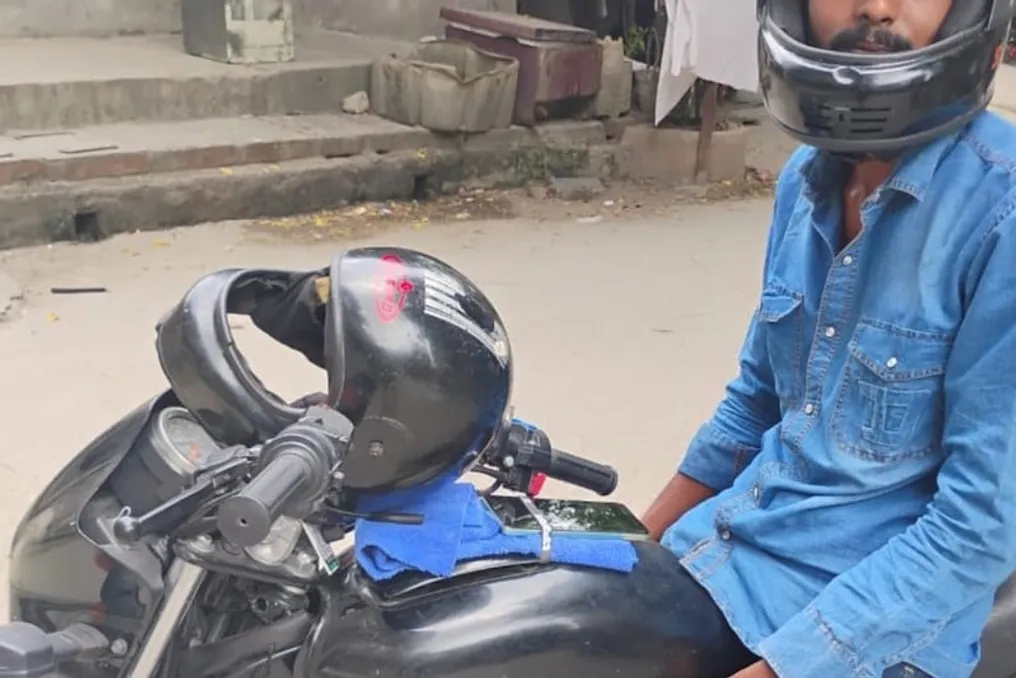
One day, using the Rapido service, the article's author met a rider named Vicky. He mentioned that he works not only for Swiggy but also for Rapido, and the motorcycle he rides does not belong to him but is rented.

Previously, Vicky worked for a company in Noida where his salary was 25 thousand. However, after layoffs, he lost his job. He is from Western Uttar Pradesh, and although he did not specify the exact area, his home is near Noida, which takes 4-5 hours to reach. Despite actively looking for work, he could not find a suitable position, and he needed to send money home.

A friend suggested he take up courier work while he searches for permanent employment. Since he did not have his own bike, his friend advised him to contact agencies like Rapido or Swiggy, which provide motorcycles for rent. A prepayment of 500 rupees was required for the motorcycle use, and the daily rental fee was 290 rupees; however, through a broker, he had to pay an additional 4500 rupees for the rental.

Vicky initially viewed this job as a temporary solution until he found permanent employment. However, the income from this activity turned out to be higher than his previous salary for a 9-hour workday. He explained that for delivering orders within a 2-kilometer radius for Swiggy or Zepto, he can earn up to 50 rupees. If the delivery happens after 9:00 PM in the same radius, the payment doubles, reaching 90–100 rupees.

He noted that if he earns 500 rupees in 4 hours of daily work, this income can double to 1000 rupees at night. Therefore, he advises against limiting himself only to daytime trips, as night shifts provide higher profits.

Vicky sets his own schedule, working only in the morning and evening: from 6 AM to 10 AM and from 8 PM to 11 PM. During this time, he usually completes at least 20 deliveries, sometimes even more. Even after deducting the motorcycle rental fee, he retains between 1200 and 1400 rupees daily. This income allows him to avoid taking on small side jobs earning 20–25 thousand per week. Furthermore, he has the freedom to manage his time without needing vacations or permission from a boss.

He also compared the working conditions with other services. For Zepto or Swiggy, a one-time payment of 1500 or 1700 rupees is required for a T-shirt and bag, after which a commission is charged for each delivery. In the case of Uber or Rapido, an initial account top-up of 180 rupees is needed, which covers up to 2000 rupees worth of rides and is valid for three months.

In Vicky's opinion, working as a courier is similar to running one's own business: the person sets their own work schedule and is not obliged to seek permission from anyone. He emphasized that he is the master of his own will, and his earnings directly depend on the volume of work completed.

Popular