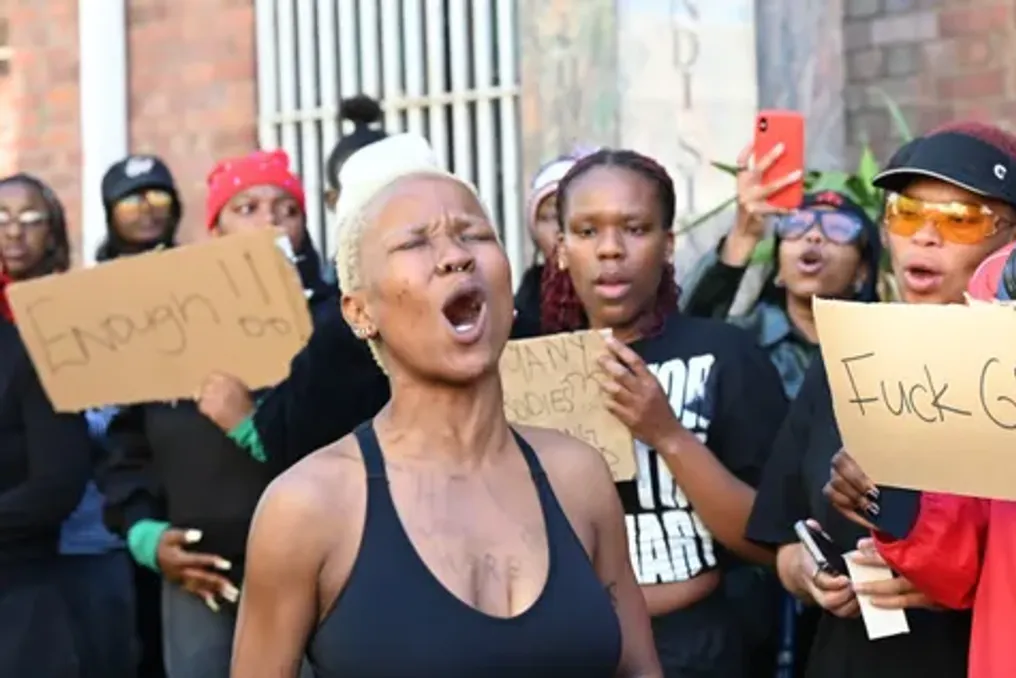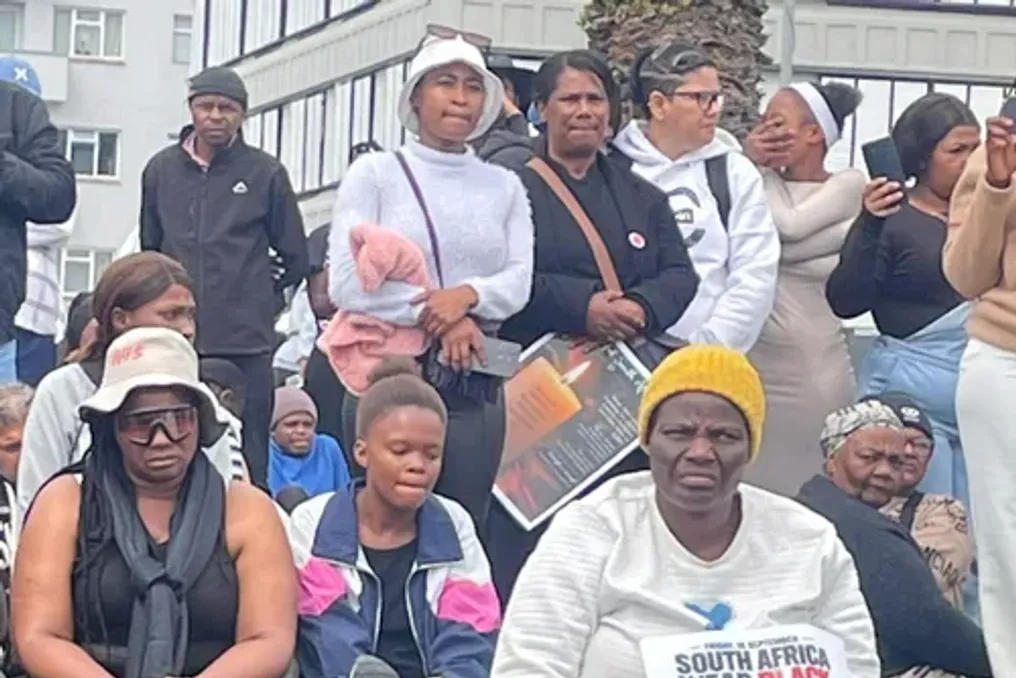
Women and girls in South Africa face a dual threat: gender inequality and widespread corruption. Analysis shows how these issues intersect, undermine legal protection, and what innovative reforms are needed to ensure genuine protection and empowerment.
Despite having an extensive legislative and policy framework to protect women in the country, results remain unsatisfactory due to insufficient implementation, compliance, and institutional accountability. This is where the intersection of gender inequality and corruption occurs, preventing them from being treated as separate policy issues.
Corruption is often viewed solely as a problem of criminal justice, but its impact is far broader. It subtly undermines almost all societal development goals, weakens governance, diverts scarce resources, degrades service delivery, reduces investment attractiveness, and erodes trust in democratic institutions. Ultimately, those least able to protect themselves pay the highest price.
Thus, corruption is not just the theft of public funds; it is the theft of opportunity. Any procurement breach, captured institution, or failure in the accountability system can lead to reduced opportunities, weakened protection, and diminished justice for women and girls. Funds lost to corruption cannot be directed towards financing shelters, healthcare, policing, social support, or programs promoting women's economic participation.
The consequences extend beyond resource reallocation. When corruption infiltrates the police, victims of gender-based violence lose confidence in reporting abuse; when judicial institutions are compromised, criminals enjoy impunity; and when authority is abused, corruption becomes not merely a financial offense, but a tool of exploitation and coercion.
Gender inequality and corruption are not parallel problems; they mutually reinforce each other. This relationship is insufficiently studied in both research and policy development. Government departments and agencies are typically structured to address corruption, gender inequality, and gender-based violence through separate mandates and programs, but the lived experience of vulnerable people does not align with these administrative boundaries.
A woman seeking protection from an abusive partner does not perceive the police, healthcare, social services, and justice system as disconnected sectors of policy. She experiences them as parts of a single institutional system. If any part of this system is corrupt, inefficient, or unaccountable, the legal protection guaranteed can become meaningless in practice.
Therefore, governance reform and gender equality must be implemented as a single, integrated agenda. They will develop together because a strong society requires strong institutions. Trust cannot flourish where institutions fail; development cannot exist sustainably where governance is weak; and democracy cannot thrive when citizens lose faith in the honest, transparent, and publicly beneficial work of government bodies.
This understanding has prompted the Institute for Inclusive Society to view governance reform and anti-corruption efforts as integral components of sustainable development. Among the measures proposed within its work is the creation of a permanent and independent Anti-Corruption Council capable of coordinating efforts between government, oversight bodies, civil society, and the private sector.
Corruption cannot be defeated through fragmented interventions. South Africa needs a holistic national system covering prevention, detection, enforcement, and public accountability. It is crucial that this system incorporates gender-sensitive governance rather than treating gender as a secondary issue.
The story of Babita Deokaran illustrates why this work cannot be limited to policy documents and institutional diagrams: she paid with her life for honesty. Her murder serves as a reminder that corruption is never an abstract governance problem. It has human consequences. It also reminds us that whistleblowers should never be alone. A society that relies on individuals to expose corruption must have a corresponding duty to protect them. Honesty must never become a death sentence.
Consequently, whistleblower protection must move from intention to practical implementation. Legislative reform is necessary, but one law is not enough. It must be accompanied by practical measures of physical protection, financial support, and legal aid. People cannot reasonably expect risk to their well-being and lives while the institutions that benefit from their disclosures offer little more than post-facto expressions of admiration.
South Africa must also begin to view integrity as a design principle, not just an enforcement issue. Before major legislation, significant procurement programs, or institutional reforms are adopted, they must undergo Integrity Impact Assessments. Environmental Impact Assessments are already an accepted part of major development decisions, and social consequences are increasingly considered. It is equally prudent to ask whether proposed policies or programs create new opportunities for corruption, weaken accountability, or disproportionately harm the rights of women and vulnerable communities.
Preventing corruption begins long before the first tender is issued. Such assessments can identify vulnerabilities at the design stage, clarify lines of accountability, and ensure adequate safeguards are built into public programs from the outset. They can also compel decision-makers to consider whether women and other vulnerable groups will have real access to complaint mechanisms, institutional protection, and remedies in case of system failures.
South Africa would also benefit from establishing a Public Integrity Observatory: a permanent collaboration involving universities, civil society, the private sector, and oversight bodies. Its mandate must go beyond measuring incidents or perceptions of corruption. It should assess institutional resilience, implementation effectiveness, and levels of public trust.
What is measured is more likely to be managed, and what is published can become a powerful driver of accountability. Reliable and publicly available evidence will allow society to identify institutional weaknesses before they escalate into full-blown crises and determine whether declared reforms are leading to measurable results.
These efforts could lead to a National Integrity Pact. Government departments, municipalities, universities, businesses, and civil organizations could voluntarily commit to measurable standards of transparency, ethical leadership, gender responsiveness, and institutional accountability. Participants would then publicly and regularly report on their progress.
Such a pact would not replace legislation or law enforcement. It should not become another ceremonial declaration either. Its value lies in establishing measurable commitments and encouraging continuous institutional improvement across various sectors.
The ultimate goal is to move beyond repeatedly affirming our opposition to corruption and inequality. South Africa already knows how to make declarations of principles. What it needs is the institutional capacity, political will, and collective discipline to translate principles into practice.
Accountable institutions protect human rights; transparent institutions reduce opportunities for abuse; and ethical leadership strengthens service delivery and makes government bodies more responsive to those who need them most.
Corruption and gender inequality are complex and deeply rooted problems, but they are not insurmountable, and solving them will require courage, honesty, and cooperation between government, academia, civil society, and the private sector. Most importantly, it requires understanding that corruption does not just steal money. It steals protection, opportunities, dignity, and justice. And until we confront this reality, the women and girls our laws promise to protect will continue to pay the highest price.