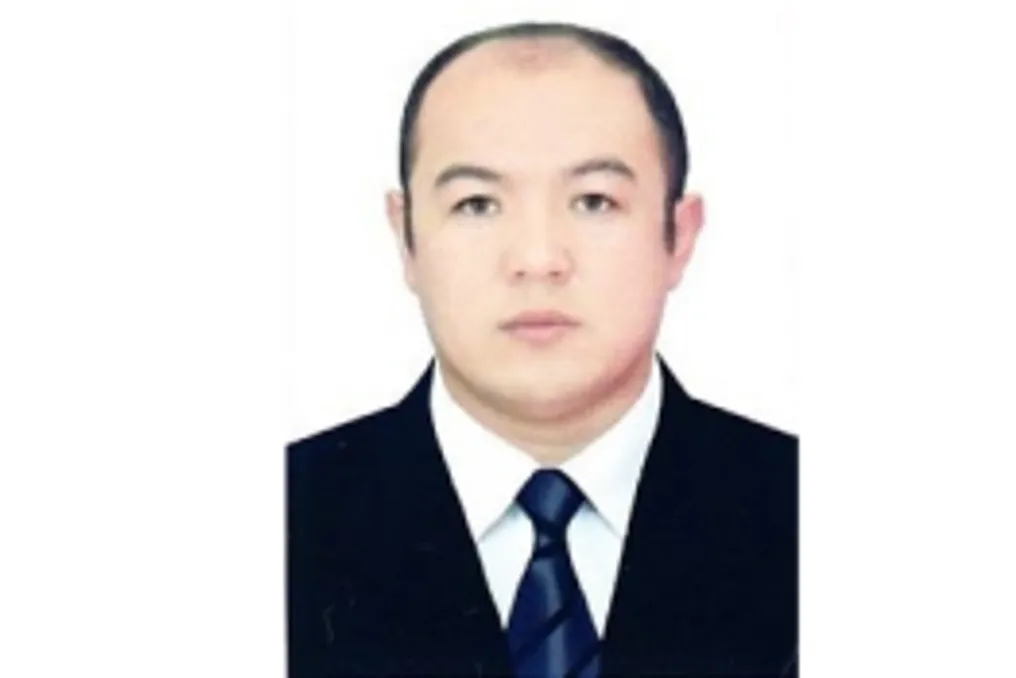
According to Ilhom Sodikov, about seventy potential sites for building an NPP were considered in Uzbekistan in the 1980s, but this topic was later closed, and interest in nuclear energy only revived in 2017.
In Tashkent, on October 4, the Sputnik agency reported that the idea of creating a nuclear power plant in Uzbekistan had been discussed back in the 1980s, after which the topic was excluded from the agenda for a long time. This was told by academician Ilhom Sodikov, director of the Institute of Nuclear Physics of the Academy of Sciences, in an interview with the publication 'Vestnik Atoma'.
He specified that during the Soviet period, nearly 70 possible locations for building an NPP in Uzbekistan were selected, and the plans were very serious. After the collapse of the USSR, the project was forgotten.
In 2001, the Institute of Nuclear Physics initiated a major scientific seminar on NPP construction, which included specialists from the Institute of Seismology of Uzbekistan, as well as experts in water use and Russian specialists.
Nevertheless, according to Sodikov, at that time the country's leadership held a negative attitude towards nuclear energy. He stated: 'We were told not to raise this topic. After that, nuclear energy was not mentioned in any of the institute's plans.'
The situation changed in 2017 when Shavkat Mirziyoyev announced the decision to develop nuclear energy in the country. Following this, the institute was able to begin selecting a site for the NPP, preparing initial documentation, and working on environmental and radiation monitoring.
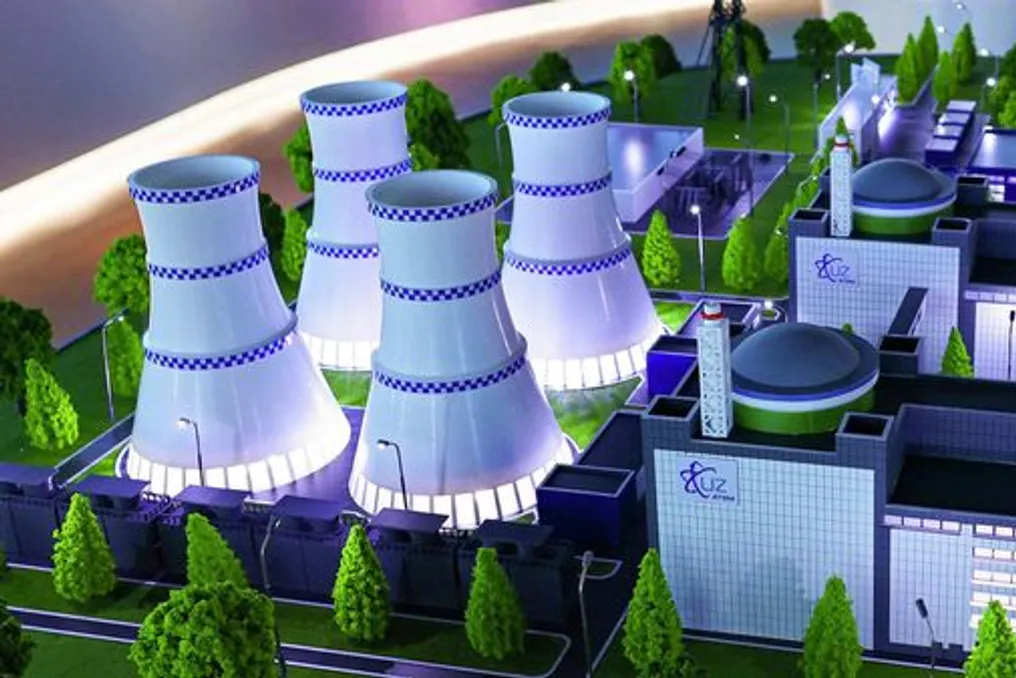
The current project involves combining large and small reactors on one site: the plan is to build two VVER-1000 and two RITM-200N power units. Sodikov emphasized that such an approach has not been used anywhere in the world before.
The issue of seismic safety was also discussed in detail during the interview. In the 2000s, one of the reasons against building an NPP was the fact that Uzbekistan is a seismically active region. However, Sodikov linked this to the attitude of that time, noting: 'Seismicity was then used only as a formal pretext.'
In the scientist's opinion, the seismic condition of the region has not changed since then, but modern reactors are built even in areas of high seismic activity. He gave examples of Bangladesh and Turkey, emphasizing that the stations are designed with a large margin of safety.
Sodikov also noted that during meetings with residents of Jizzakh region, he always emphasizes the issue of safety. He stated: 'The first thing for a nuclear power plant is safety, the second is still safety, the third and fourth are also safety. Only after that come economic and technical issues.'
In his opinion, launching an NPP will not only reduce the energy deficit in Uzbekistan but also promote the development of highly technological industries such as metallurgy, chemical industry, and construction material production.
Sodikov also did not rule out the possibility that Uzbekistan could export electricity that it currently imports.