
How to make mishri from besan: a tasty dish from 1 cup of chickpea flour
Read more
Aaj Tak
www.aajtak.in

How to make mishri from besan: a tasty dish from 1 cup of chickpea flour

There are often situations when fresh vegetables run out at home, and it is unclear what to cook for lunch or dinner. In such cases, there is no need to go to the market. Using a little besan and common spices, you can prepare the traditional dish mishri, characteristic of North India and Rajasthan.

Mishri involves forming small granular pieces from besan by spraying water and kneading by hand. This traditional and tasty granular vegetable, known as mishri in Uttar Pradesh and Rajasthan (where it is called mitha), is very easy to prepare when green vegetables are not available.

When grains resembling besan bondi are cooked in a spicy sauce with onion, tomatoes, ginger, garlic, and spices, this dish surpasses paneer and gatta in taste.

The following ingredients are required for preparation: 1 cup of besan; 2 tablespoons of oil for frying the mishri plus 2 tablespoons of oil for tadka; 2-3 tablespoons of water for spraying; 2 medium onions (finely chopped); 2 tomatoes + 2 green chilies + 1 inch of ginger (made into a paste); 1/2 teaspoon of cumin and 1/4 teaspoon of hing; 1/2 teaspoon of turmeric powder; 1 teaspoon of coriander powder; 1/2 teaspoon of red chili powder; 1/2 teaspoon of garam masala powder; 1 tablespoon of dried kasuri methi; salt and finely chopped green peas to taste; 1.5-2 cups of water for the sauce.

Take 1 cup of besan in a wide bowl. Add 1/4 teaspoon of salt and a pinch of turmeric. Then gradually spray water with your fingers and knead the besan, forming small grains (rave/mishri) by hand. It is important not to knead the dough, but only to create a granular structure using water splashes.

Heat 2 tablespoons of oil in a pan. Fry the prepared mishri over medium heat for 3-4 minutes until golden brown and a rich aroma develops, then remove and set aside on a plate.

In the same pan, heat another 2 tablespoons of oil. Fry the cumin and hing. After that, add the chopped onion and fry until golden brown. Next, add the tomato, ginger, and chili paste, along with turmeric, coriander, red chili, and salt, and cook until the spices release their oil.

Pour 1.5-2 cups of water into the fried spices and bring to a boil. When the sauce boils vigorously, add the fried besan mishri. Cover the pan with a lid and simmer on low heat for 7-8 minutes so that the mishri absorbs the sauce and becomes soft.

When the sauce thickens and the mishri acquires a velvety texture, sprinkle the dish with garam masala, kasuri methi, and green peas, and mix. The ready-to-eat tasty besan mishri is served hot with roti, paratha, or rice.

Similar stories

Recipe for Crispy Fried Onion Leaves in 10 Minutes
Read more
www.aajtak.in

Recipe for Crispy Fried Onion Leaves in 10 Minutes

The change of season brings light cool breezes, heralding the arrival of winter. Winter not only brings relief from the heat but also makes many fresh green vegetables available in the market that people enjoy eating.

Fresh and juicy onion greens, which appear on the market during the winter period, not only improve the taste of dishes but also bring significant health benefits.

If you are tired of monotonous dishes like potatoes and pumpkin and want to cook something quick, spicy, and light, try fried onion leaves. This dish can be served as a side dish to roti, paratha, or dal-chawal.

Onion Leaf Fry Recipe

Below is a simple way to prepare this dish. After cooking is complete, sprinkle the dish with a pinch of hot masala and mix thoroughly. The ready hot onion leaf fry is ready to be served with warm roti, paratha, or puri.

Cooking Tips

It is important not to overcook the onion leaves during preparation, as this leads to a loss of their color and crispy texture. Therefore, after adding the leaves, they should be cooked for no more than 3-4 minutes. To achieve a traditional and authentic taste, it is recommended to use mustard oil.

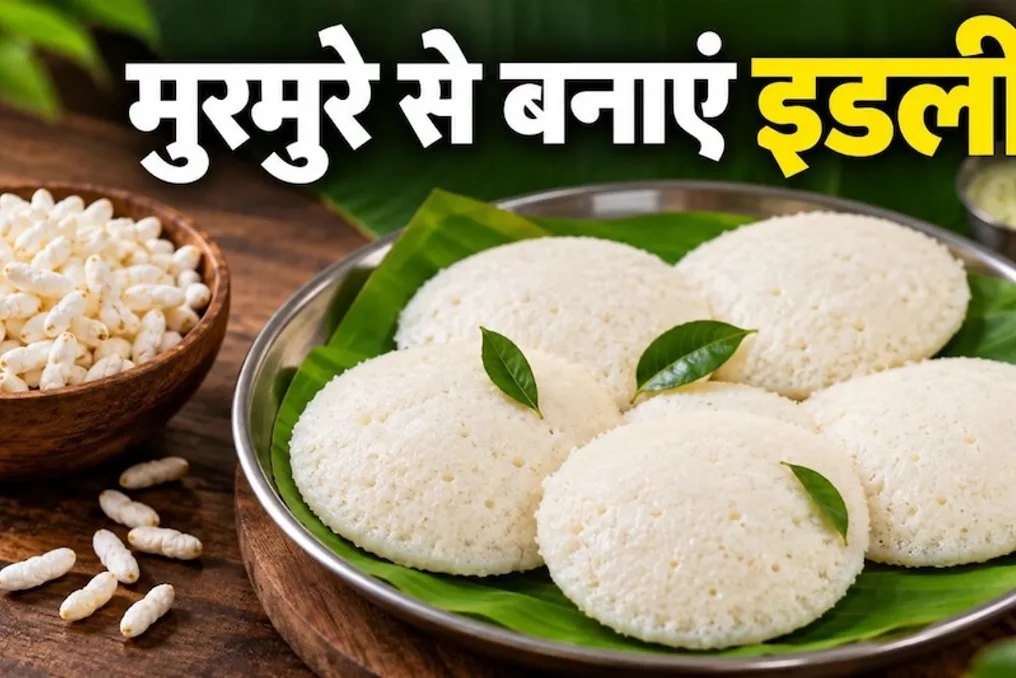
Murmura Idli Recipe: Soft and Fluffy Version Without Soaking Beans or Waiting for Fermentation
Read more
www.aajtak.in

Murmura Idli Recipe: Soft and Fluffy Version Without Soaking Beans or Waiting for Fermentation

If you want to eat idli but don't have time to soak beans and let the batter ferment for a long time, you can quickly prepare soft and fluffy murmura idli. This method avoids hours of waiting and a laborious process.

The recipe uses a mixture of murmura, yogurt, and dry rice flour (sooji). Fruit salt is used to make the batter light and airy. Murmura idli can be prepared in a short time and served for breakfast with coconut paste or any other favorite paste.

To begin, take 2 cups of murmura and wash it thoroughly with water. Then, soak the murmura in water for about 5 minutes, then strain it to remove all excess liquid.

Place the soaked murmura in a blender jar along with 1 cup of fresh yogurt and blend. If necessary, add a little water to achieve a consistency similar to dosa batter.

Next, add 1 cup of finely chopped dry rice flour and 1 teaspoon of oil to this mixture, stirring well. Let the batter rest for 5 minutes so that the dry rice flour has time to swell.

Meanwhile, lightly grease the idli molds with a small amount of oil. Check the batter, and then, to make the idli soft and fluffy, add 1 teaspoon of fruit salt. Add a little water and gently mix the batter in one direction.

It is important to remember that the fruit salt should be added immediately before cooking the idli. If the batter needs to be prepared in advance, omit the fruit salt and store the batter in the refrigerator.

Distribute the batter in small portions into the idli molds, without overfilling them, as the idlis will expand in the steamer. Preheat water in a pot and place the idli molds in it. Cover with a lid and cook over medium heat for about 10–12 minutes.

After turning off the heat, leave the idlis in the steamer for another 2 minutes. Then, remove the molds and carefully take out the idlis. If the idli sticks to the mold, it can be removed by slightly wetting the back of a spoon.

Popular