The Living Planet Report, a publication released biennially by the WWF (World Wide Fund for Nature) and titled 'Science and Hope' this year, reveals that approximately 73% of species are declining. Although a previous document had already signaled this average reduction of 73% in wild animal populations (exceeding 5,000 species), the most recent data offers complementary information and a longer history, reinforcing the persistence of biodiversity loss.
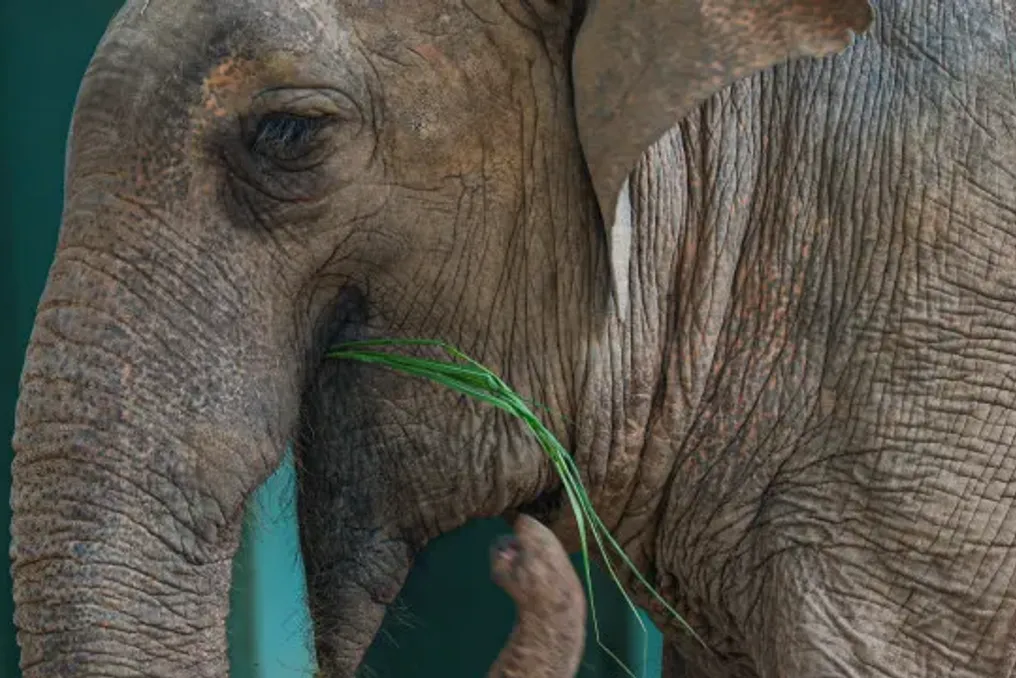
The observed reduction rates were 68% in 2020 and 69% in 2022, showing a significant increase in 2024. However, the current report shows that over 52 years of monitoring, half of the populations remain stable or even growing. Furthermore, for the first time, the document details concrete examples of natural recovery, such as the cases of the green turtle, bluefin tuna, tiger, and elephant in Southern Africa, as well as the Iberian lynx and sardine, according to a statement from WWF Portugal.
Kirsten Schuijt, Executive Director of WWF International, emphasizes that these findings demonstrate that nature has a capacity for recovery and that change is viable. She stresses the need to transform the systems and industries that are the source of environmental degradation and to accelerate the necessary transformations.
The Living Planet Index (LPI), developed by the Zoological Society of London (ZSL), covers 35,803 population trends across 5,790 vertebrate species, covering the period from 1970 to 2022. The largest population declines occur in freshwater ecosystems (-85%), followed by terrestrial (-69%) and marine (-59%).
The main threat identified is habitat deterioration and loss, followed by overexploitation, climate change, pollution, invasive species, and diseases. The report also points out that biodiversity decline is linked to structural failures in production, consumption, and financing models, particularly affecting the food, energy, and financial sectors.
WWF points out that the food system is the biggest contributor to habitat destruction and excessive resource exploitation, while the energy sector drives climate change. Although there is acceleration in the transition to clean energy and signs of improvement in agricultural practices and diets, the transformation in the financial system is still in its initial phase.
It is important to note that the figures presented are global averages and do not capture local nuances, where some regions suffer faster losses while others maintain stable or recovering species and ecosystems. As a positive example, the tiger population increased from 3,200 wild individuals in 2010 to 5,700 in 2025.