Water resources worldwide remain a serious concern due to both declining river flows and sudden flooding events caused by intense rainfall. According to the World Meteorological Organization's (WMO) report on the state of global water resources in 2025, alarming changes in water distribution patterns have been identified.
The report indicates that in 2025, river flow globally was the lowest in the last thirty-five years. Furthermore, a continuous decrease in total terrestrial water reserves has been recorded from 2014 to 2016. In 2025, approximately 36% of global river basins registered a reduction in water flow below normal levels. Moreover, for seven consecutive years, basins with normal flow remained extremely low in water.
Historically, between 1991 and 2020, about 46% of basins were in normal condition. However, during the period from 2021 to 2025, this figure dropped to 34–38%. A decline in flow was observed in several regions of Central Asia and the Middle East in Asia, while some parts of South and Southeast Asia recorded above-normal water volumes in 2025.
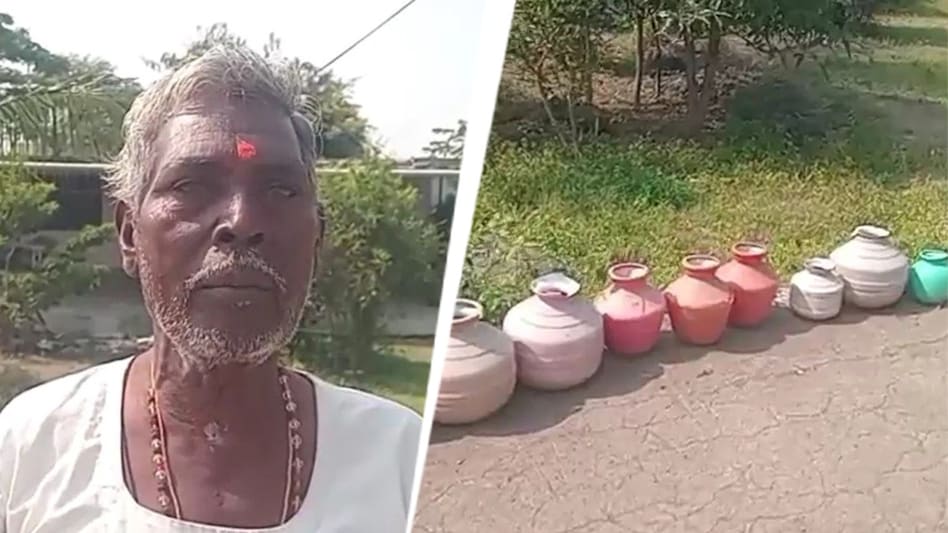
For India, the main problem is related to groundwater and surface water reserves. The report notes a decline in water reserves in some regions of North India. The ongoing drop in groundwater levels in northwestern India signals a long-term water deficit. Since agriculture, industry, and water consumption in India depend on groundwater, weak monsoons and rising temperatures could lead to future water shortages.
According to WMO data, Asia and Africa have been the most severely affected by water-related problems over the past five years. Over 80% of deaths related to these phenomena occurred in these two regions. In 2025, thousands of people died in South and Southeast Asian countries as a result of cyclones and excessive monsoon rains, affecting nations such as Sri Lanka, Pakistan, Vietnam, Indonesia, Thailand, Malaysia, and the Philippines.
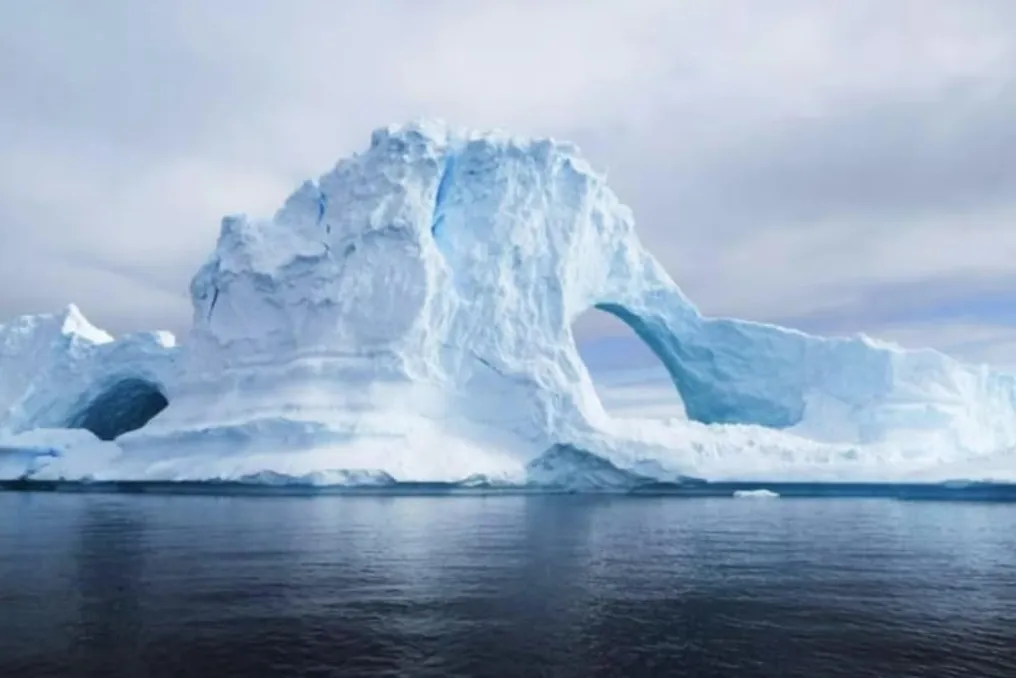
In 2025, global glaciers lost about 408 gigatons of ice, leading to a sea-level rise of approximately 1.1 millimeters. This marks the fourth consecutive year of snow cover deficit in all major glacial zones. Himalayan glaciers are critically important for India and all of South Asia, as rivers such as the Ganges, Indus, and Brahmaputra directly depend on them. Rapid glacier melt can initially trigger threats of flash floods and strong currents, but in the long term, it will exacerbate water scarcity during the dry season.