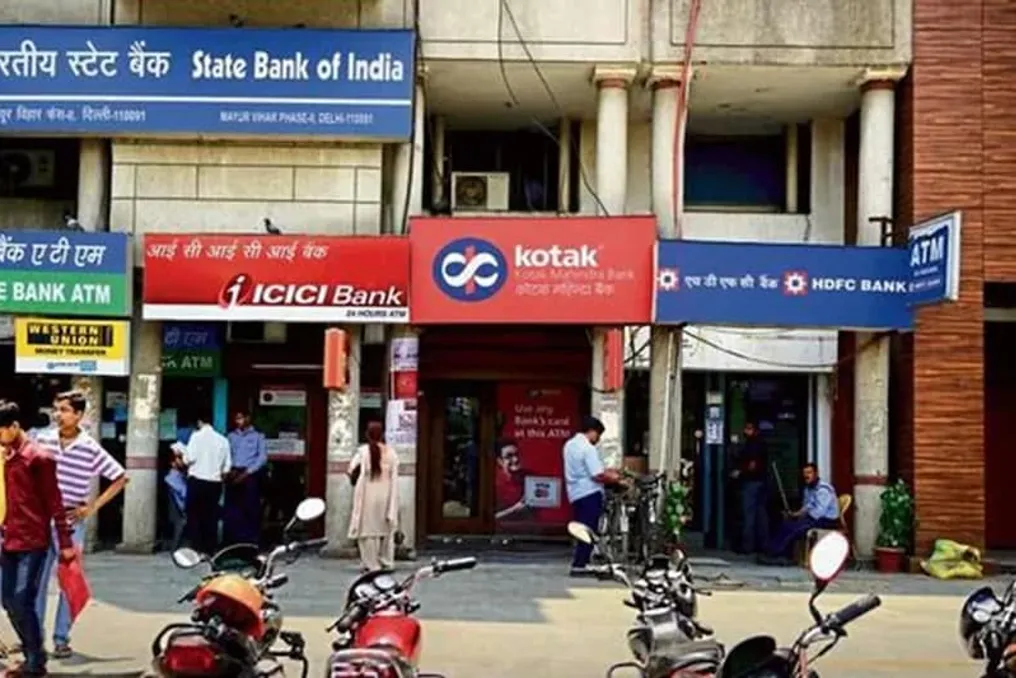
RBI's Repo Rate Hike Leads to Increased Loan Interest Rates in Several Banks
Read more
Aaj Tak
www.aajtak.in

RBI's Repo Rate Hike Leads to Increased Loan Interest Rates in Several Banks

Following the repo rate hike by the Reserve Bank of India (RBI), several major banks have increased the interest rates on their loans. This news is important for those planning to take out a mortgage, car loan, or any other type of loan.

Several banks, including Punjab National Bank (PNB), Indian Bank, Bank of Baroda, Bank of India, Indian Overseas Bank, and Tamilnadu Mercantile Bank, have adjusted some of their lending rates. Many of these new rates came into effect on October 8th.

On Wednesday, the RBI raised the repo rate by 25 basis points, bringing it to 5.50 percent. This is the first repo rate increase by the central bank in approximately four years. The RBI has hinted at a possible further increase in rates amid rising inflation and currency depreciation. The six-member Monetary Policy Committee (MPC) of the RBI unanimously decided on the repo rate hike.

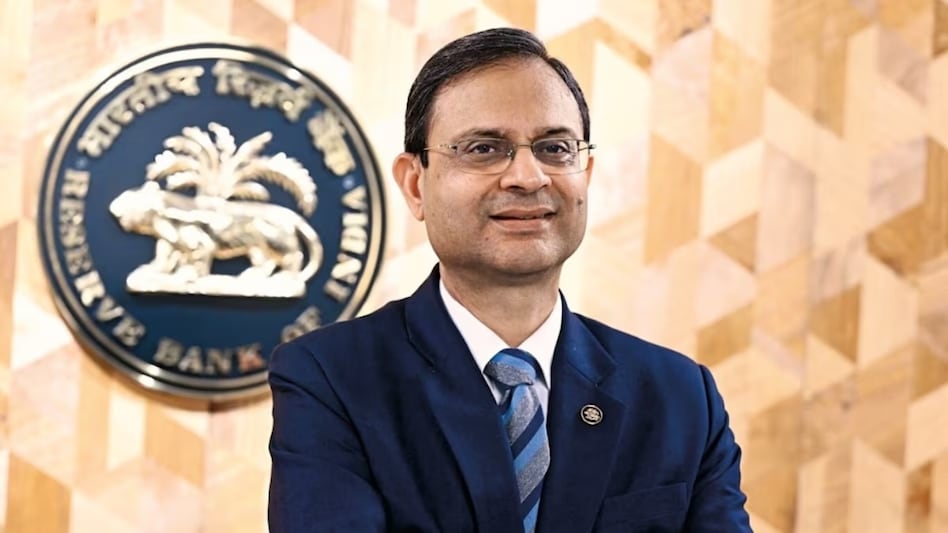
This was the first such increase since Sanjay Malhotra became the RBI governor in December 2024, and it met market expectations.

PNB, one of the country's largest public sector banks, raised its repo rate linked loan rate (RLLR) from 8.10% to 8.35%. This new rate includes a banking spread of 0.35%. According to PNB, the new rate will be effective from October 8th. Furthermore, the bank has not changed the calculation method based on Marginal Cost of Funds based Lending Rate (MCLR) and the base rate, meaning the impact on old and new customer loans will vary depending on the linked rate.

Indian Bank increased its repo rate linked loan rate (RBLR) from 7.95% to 8.20%, and this new rate also takes effect on October 8th. Similarly, Bank of Baroda raised its repo rate linked loan rate from 7.90% to 8.15%, corresponding to an increase of 25 basis points.

Bank of India and Indian Overseas Bank also raised their RBLR to 8.35%. The new rates in both banks will start applying from October 8th. Bank of India noted in its report that this change was made following the RBI's repo rate hike.

In addition to public sector institutions, Tamilnadu Mercantile Bank also increased its RLLR, raising it from 8.25% to 8.50%. This demonstrates that the impact of the repo rate change is not limited to public sector banks, and other banks may change their corresponding lending rates soon.

Following the repo rate increase, banks have changed the loan rates tied to it. This means that all loans linked to a Floating Interest Rate or External Benchmark (EBLR/RLLR) will become more expensive. If your car loan, mortgage, education loan, consumer, or business loan has a floating rate, your Equated Monthly Installment (EMI) will increase or the loan tenure will extend. However, the actual impact depends on your loan's interest rate, outstanding amount, and other conditions. In the case of PNB, since MCLR and the base rate have not yet changed, it cannot be assumed that the customer's EMI will immediately rise after the repo rate hike.

The RBI signaled the possibility of further rate hikes. Therefore, attention is now focused on when and how much other banks will change their lending rates. If other banks also raise their repo-linked or other related rates, the cost of new loans could increase in the coming days. The impact on existing customers will depend on the rules associated with their loan's interest rate.
Similar stories

Reserve Bank of India (RBI) prepares to announce repo rate decision, which will affect loan monthly payments.
Read more
www.aajtak.in

Reserve Bank of India (RBI) prepares to announce repo rate decision, which will affect loan monthly payments.

The Reserve Bank of India (RBI) is set to release its important decision today. The announcement, made at the Monetary Policy Committee (RBI MPC Meeting), will be delivered at 10 am by RBI Governor Sanjeev Malhotra. The primary focus is on the announcement regarding the repo rate, as this will directly impact the Equated Monthly Installments (EMI) for home or auto loans.

Many experts predict an increase in the repo rate. If this occurs, the burden of monthly loan payments will rise.

According to reports concerning the RBI MPC meeting, several experts suggest that the Reserve Bank might raise the repo rate by 0.25%, or 25 basis points. If the RBI implements this anticipated repo rate hike, considering rising crude oil prices and inflationary risks, the repo rate would increase from 5.25% to 5.50%. This will directly affect both the EMI for home loans and the yield on Fixed Deposits (FD).

Previously, approximately 3.5 years ago, in 2023, the repo rate was increased by 25 basis points. The current meeting is the fourth MPC meeting of the Reserve Bank in 2026; three previous meetings kept the repo rate unchanged. In the April, June, and August meetings, the repo rate remained at 5.25%.

It is important to understand why experts expect a 25 basis point increase in the repo rate. The RBI MPC meeting takes place during a period when crude oil prices remain above $100 per barrel due to tensions in West Asia, which heightens inflationary risks.

The repo rate is the interest rate at which the RBI provides short-term loans to banks. Banks determine the interest rates they offer to their customers based on this rate. The RBI MPC holds a three-day meeting every two months. Changes in the repo rate directly affect borrowers. The reason is that if the repo rate rises, it becomes more expensive for banks to borrow from the RBI. Consequently, banks may pass this cost onto customers or make loans more expensive. Conversely, when the repo rate decreases, loans become cheaper, and the EMI burden lessens.

Experts estimate that if the RBI announces a 25 basis point increase in the repo rate on Wednesday, it will impose a certain financial strain on borrowers. The calculation is straightforward. Suppose a person took out a home loan of 50 lakh rupees over 25 years at an interest rate of 7.50%, and their monthly payment is about 36,950 rupees. If the repo rate potentially increases to 7.75% afterward, the monthly payment will rise to 37,766 rupees, representing an additional expense of 817 rupees monthly. It should be noted that a repo rate hike does not cause an immediate change in EMI; it takes effect on the loan's 'reset' date with the bank.

While a repo rate increase may increase financial pressure on customers taking home or auto loans, it could benefit those placing funds in fixed deposits. If the repo rate rises, banks often increase FD interest rates by 0.25%, providing higher returns for new depositors. However, there remains uncertainty as to whether the repo rate will increase or if the Central Bank will decide to keep it unchanged. The announcement is expected at 10 am.

Popular