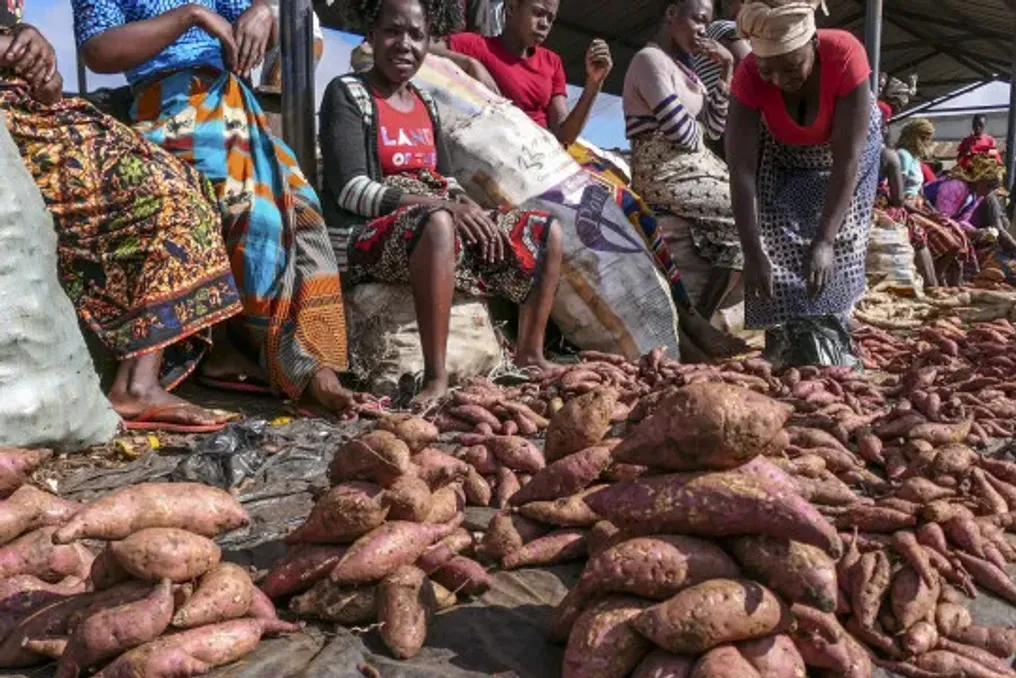
In Mozambique, the number of people facing food insecurity has decreased by 147,629. Governor Manique, Francisca Thomas, attributed this to increased agricultural production in the 2025-2026 campaign and measures taken to strengthen production capacities in response to the effects of El Niño.
Francisca Thomas reported that from April to September of this year, the number of such people fell to 101,222, a result of productive actions in the 2025-2026 agricultural campaign, citing assessments from the Technical Secretariat for Food Security and Nutrition (SETSAN).
Among the measures taken are the distribution of 60 diesel water pumps among producers in six districts of the province, as well as the installation and acquisition of solar-powered irrigation systems. Under the Inclusive Development Program for Agri-food Chains, 22 photovoltaic irrigation systems are also being purchased for producers in four districts, according to the governor.
Francisca Thomas noted that several measures are being implemented in her province to mitigate the effects of El Niño at the initiative of the President of the Republic [Daniel Chapo], as part of the emergency recovery and resilience program. The province plans to install six water supply systems and acquire another 20 photovoltaic systems to support producers in four districts, aimed at improving water access and sustaining agricultural production.
Despite improvements in Manique, national food needs are worsening. A technical analysis conducted by SETSAN forecasts that the acute food crisis could affect 1.84 million people by March 2027, compared to the current 1.19 million.
The projected 55% increase is mainly linked to the armed conflict in the north, the impact of El Niño, and the depletion of food stocks, according to the analysis of the Integrated Food Security Phase Classification (IPC). The Mozambican government had previously warned about the impact of El Niño in at least 52 districts of the southern and central regions, announcing the preparation of an action plan to reduce the effects of drought and water scarcity.