As of October 7th, the metals market is defined by two interconnected factors. On one hand, rising oil prices and geopolitical tensions are supporting inflationary risks, causing investors to exercise greater caution regarding commodities.
On the other hand, expectations of an immediate interest rate hike by the Federal Reserve have somewhat weakened, partially easing pressure on the market. Nevertheless, there is no single direction of movement: precious metals remain sluggish, while industrial metals continue to receive support due to physical demand, inventories, and long-term infrastructure trends.
Gold is trading at approximately $4,150 per ounce, and silver holds slightly above $60 per ounce. Both metals lag significantly behind September levels and have failed to recover quickly. The main reason is that markets are awaiting the minutes of the Federal Reserve's September meeting and new comments from policymakers.
The probability of a rate hike has already decreased in October, but market participants still anticipate a high likelihood of monetary policy tightening by the end of the year. This situation presents a complex backdrop for gold and silver, as high bond yields and a strong dollar limit interest in assets that do not generate income.
However, the demand for safe-haven assets has not completely disappeared. Oil prices have once again exceeded $100 per barrel for Brent crude due to threats of supply disruptions in the Gulf of Mexico and renewed tensions in the Middle East. This trend heightens inflation concerns and complicates the Fed's position.
Under normal circumstances, geopolitical tensions could support gold, but this time they influence it through oil and inflation, and consequently, through the risk of higher interest rates. Therefore, gold is holding its ground but is not gaining strong momentum.
Platinum is trading around $1,710 per ounce, and palladium is in the range of $1,165–$1,170 per ounce. Both metals are under pressure from general caution in the precious metals sector, yet their fundamental prospects differ. Platinum appears more resilient against the backdrop of expected supply shortages and demand from hybrid vehicles. Palladium is weaker because the market continues to factor in the long-term decline in demand for automotive catalysts due to the growing share of electric vehicles and the gradual replacement of palladium with platinum.
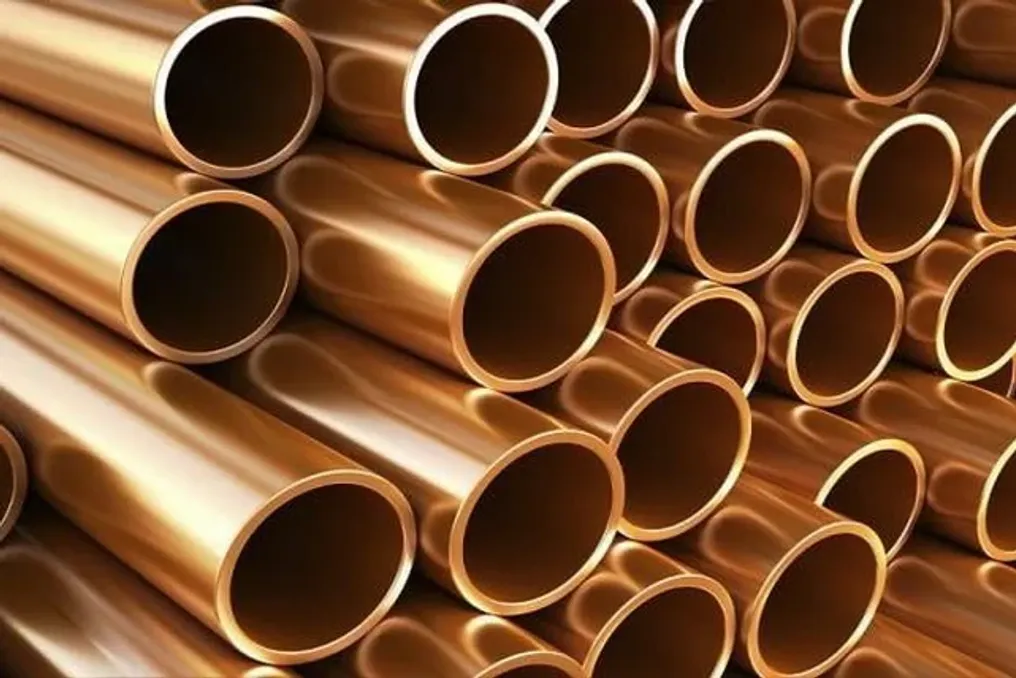
Copper remains a central theme in the industrial metals segment. Prices are holding around $6.6 per pound, close to the historical high reached in September. Over the past year, the price of this metal has increased by more than 30%. Demand is supported by data centers, power grids, and artificial intelligence-related projects.
Another factor is supply and trade flows: the United States has yet to make a final decision regarding potential tariffs on refined copper, whereas previous expectations of such measures led to the accumulation of this metal in US warehouses. However, weak industrial data from China remains a drag on further growth.
The zinc market has cooled somewhat after a strong rally and is trading at about $3,760 per ton, but the story of supply shortages has not vanished. China sharply increased exports of refined zinc to take advantage of tight conditions on the LME, which rather demonstrates how weak the Western market has become.
Production in Europe is facing pressure from high energy costs and raw material shortages, and any threat of capacity closures raises the question of potential shortages again. Thus, zinc does not appear overheated in the short term, but its fundamental support remains.
Aluminum is trading at about $3,150 per ton and has lost some of its gains over the last month. The market here looks calmer: some supply issues have eased, and investors await the recovery of certain production capacities. Nevertheless, low inventories continue to prevent a deep correction in prices, as there is little available metal in the physical market, making aluminum sensitive to any new disruptions, whether logistical problems or energy costs for producers.
Overall, the past week showed that the metals market is once again driven by a series of parallel themes. Gold and silver depend on the Fed, yields, the dollar, and oil-induced inflation. Copper is supported by long-term demand and trade flows. Zinc and aluminum receive support due to limited metal availability, even despite a weakening of their short-term momentum. The main conclusion remains unchanged: macroeconomic factors are putting pressure on the entire sector, but where physical metal is scarce, prices continue to find support.
