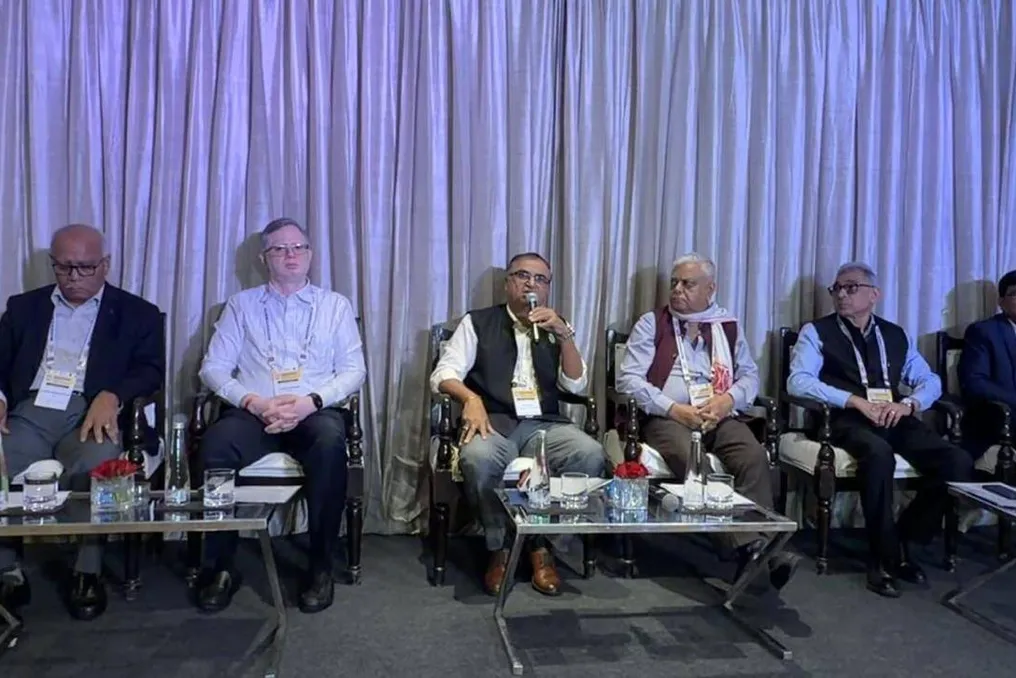
Seed industry associations FSII and NSAI have called on the government to immediately permit the commercial cultivation of herbicide-tolerant cotton (HTBt). This is because this variety is being grown illegally in some regions of the country, forming an informal seed market worth 1,500 crore rupees.
The Federation of Seed Industry of India (FSII) and the National Seed Association of India (NSAI) emphasized the need to introduce new technologies and high-yielding varieties to stimulate domestic cotton production and reduce imports. Currently, cotton production in India stands at about 29 million bales (each weighing 170 kg).
A study conducted by the South Asian Biotechnology Centre (SABC) with the support of these two associations covered 16 districts in the states of Maharashtra, Telangana, Andhra Pradesh, and Rajasthan. It included farmer surveys, supply chain assessments, and genetic testing based on ELISA.
Ajay Rana, Chairman of FSII, told reporters that during the Kharif 2025-26 season, unauthorized herbicide-tolerant cotton was grown on an area of 65–72 lakh acres, which accounts for 24–30 percent of India's total cotton acreage. This supported the informal seed market, estimated at approximately 1,500 crore rupees.
He specified that 1.25 crore packets of HTBt seeds are currently being sold, totaling 1,500 crore rupees, while the overall cotton seed market volume is 5.5 crore packets valued at 6,000 crore rupees. Meanwhile, sales of legal Bt cotton seeds have declined.
Rana urged the government to expedite the approval of HT Bt cotton, noting that the company Mahyco had already submitted the relevant application in 2024. The association also demanded changes to the labeling of glyphosate, which is used to control weeds in cotton cultivation.
According to Rana, farmers are not violating the law voluntarily; they pay a premium price on the black market because the regulatory system has not provided them with the necessary technology. FSII reported that the study showed farmers actively bypass official channels, paying extra to the black market for the technology to ensure their crop survival and insurance.
Dr. C. D. Maii, President of the Indian Cotton Improvement Society and President of SABC, warned that uncontrolled use of unauthorized genes and unlimited spraying of glyphosate could lead to the emergence of resistant pests and weeds that would destroy cotton productivity.
The study also revealed that labor shortage is the reason for this shift. Weed control using glyphosate costs 750–850 rupees per acre, whereas manual weeding costs 12,000–15,000 rupees. Glyphosate usage increased by 26 percent in a year, rising from 27,721 kiloliters in 2024-25 to 35,642 kiloliters in 2025-26.
Rana concluded that due to declining yield per acre, India has lost its self-sufficiency in cotton and has become an importer. To restore self-sufficiency and revive the cotton economy, regulatory approval for herbicide-tolerant cotton and the pink bollworm must become a national priority.