Austria's '2+2' vocational education model is being implemented in Uzbekistan
Read more
Podrobno.uz [uz]
podrobno.uz

Austria's '2+2' vocational education model is being implemented in Uzbekistan

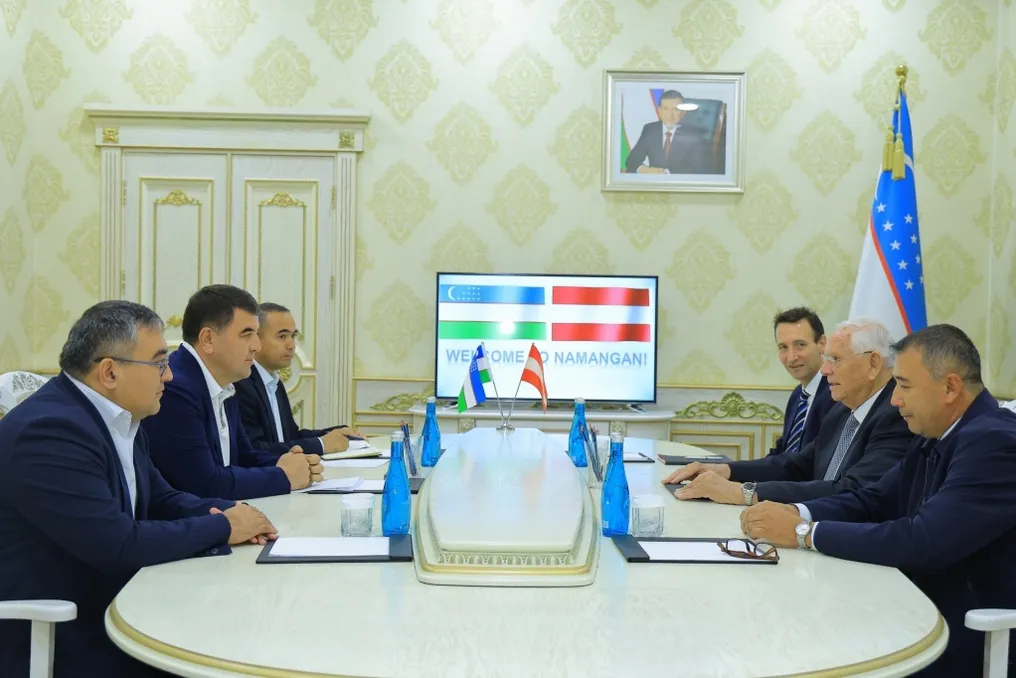
The process of implementing the Austrian model of vocational education is beginning in Uzbekistan. During their visit to the republic, representatives of the Krems University of Applied Sciences (IMC Krems)—Rector Heinz Boyer and Executive Director Udo Brendle—visited Namangan region, where meetings were held with responsible structures.

The delegation studied the work of Technical School No. 1 of the Chartak district, including its curricula, equipment, workshops, and practical laboratories. Issues regarding the integration of international standards into vocational training, the development of personnel for the hospitality and tourism industry, as well as the development of dual education, exchange of experience between teachers and students, and the launch of Train-the-Trainer courses and the implementation of common educational initiatives were discussed.

The joint educational program will be implemented under the '2+2' scheme. In the initial stage, students who complete two years of vocational training will continue studying the tourism field from the third to the sixth semester and will receive an IMC diploma in this area. Subsequently, holding a bachelor's degree, they can take a two-semester course in hotel management and gastronomy to obtain an IMC diploma in hotel management.

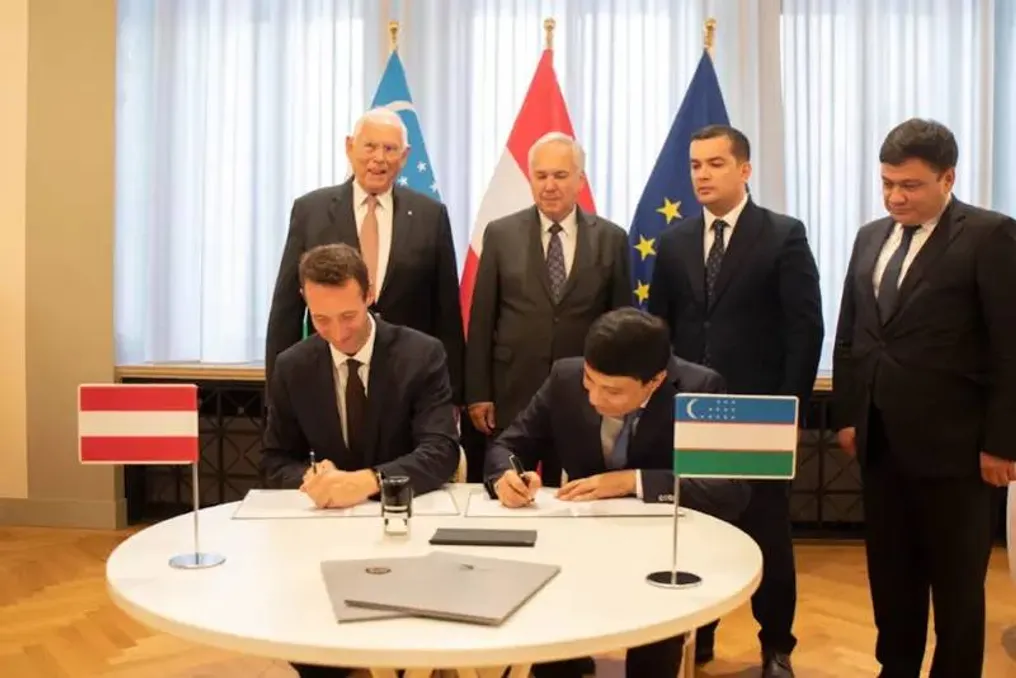
Previously, on May 7, an agreement on cooperation was signed between the Agency for Management Efficiency under the President, the Agency for Vocational Education, and IMC Krems. The main goal of this partnership is to bring the vocational education system in line with labor market demands and to train highly qualified specialists of world-class level. As part of continuing their visit, the Austrian group plans to hold meetings in Bukhara region.
Similar stories

Uzbekistan to implement dual education system in universities based on employer orders
Read more
uzdaily.uz

Uzbekistan to implement dual education system in universities based on employer orders

Uzbekistan plans to introduce a dual-format higher education system that will be based on orders from employing companies, starting from the 2027/2028 academic year. The relevant presidential decree 'On measures to improve the personnel training system through dual education in higher education' was signed on September 29, 2026.

This system will train specialists according to the 'enterprise–university–target specialist' model, after which graduates will be employed by the companies that initiated their training. Universities, together with the Ministry of Higher Education, Science and Innovation, will determine the list of bachelor's degree fields and admission criteria for dual education.

Admission to study will be carried out annually until October 1 based on a paid contract, according to applications submitted by employers. Dual education is organized by an agreement between the university, the enterprise, and the student. The enterprise is obliged to pay the student a monthly salary during the study period, which must not be lower than the minimum wage.

In turn, students undertake to work at the enterprise for at least two years after completing their studies. Students participating in dual education and included in the Social Register will receive a social scholarship.

Students studying in engineering, production and processing, architecture and construction, and agriculture fields will be able to continue their studies under state grant quotas starting from the second year of study. The study period within the dual education system will be taken into account when calculating the student's total work experience.

Starting from January 1, 2027, special courses will be organized for mentors appointed by enterprises participating in dual education. After the 2027/2028 academic year, an effectiveness rating will be compiled for universities and employer companies. Three universities and three enterprises with the best results will receive awards of 1, 2, and 3 billion sums, depending on their rank in the rating.

The decree also provides for additional support measures for enterprises participating in the dual education program. Starting from January 1, 2027, enterprises will receive a subsidy covering 50% of labor costs for each student studying dual education in the fields of engineering, production and processing, architecture and construction, and agriculture.

Furthermore, enterprises will receive additional points on the 'Business Entity Sustainability Rating' platform. The number of these points will depend on the number of students enrolled in dual education. The import of equipment, installations, and laboratory equipment that enterprises bring in to create practical conditions for dual education at universities will be subject to a customs duty of 1% until January 1, 2030. Enterprises will also be able to apply accelerated depreciation over a three-year period to educational equipment and facilities acquired for practical training within the dual education programs.

Uzbek hospitality specialists will be trained according to Austrian standards
Read more
podrobno.uz

Uzbek hospitality specialists will be trained according to Austrian standards

An agreement on the training of specialists and trainers from Uzbekistan in modern methods of hotel business management in accordance with Austrian standards was signed in Vienna. The parties that signed the document were the Agency for Professional Education of Uzbekistan and the Austrian University of Applied Sciences IMC Krems.

The organization of specialist training will take place at two educational institutions: the No. 1 Technical School of Chartak District and the Bukhara Technical School of Tourism and Cultural Heritage.

Studying the Vocational Education System

During the visit, the Uzbek delegation also familiarized itself with the Austrian vocational education system. The discussion covered aspects such as the dual learning model, methods of financing technical colleges, the involvement of employers in the personnel training process, and subsequent employment of graduates.

Previously, Uzbekistan held the chairmanship of the CIS Tourism Council for the period 2026–2027. Among the republic's main objectives was the goal of training highly qualified workers for the tourism sector and strengthening partnerships between educational institutions related to this industry.

Popular