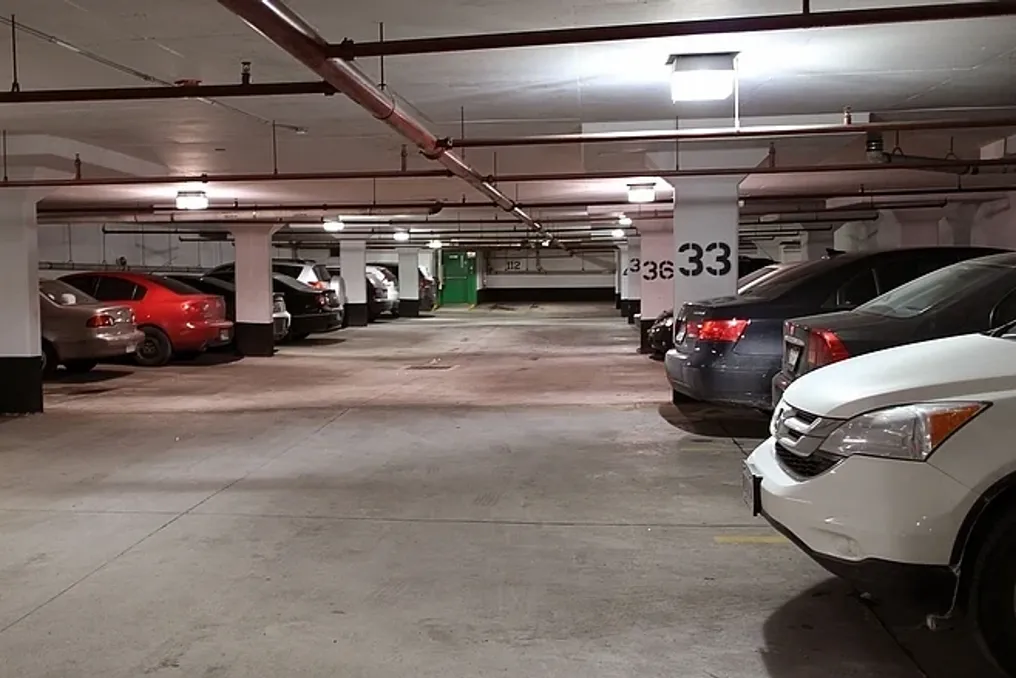
According to new regulations set by the Dubai Municipality (DM) for co-living accommodation, properties of this type are exempt from the obligation to provide a minimum number of car parking spaces.
This means that landlords managing co-living premises are not required to provide a specific number of parking spots for tenants, unlike the requirements imposed on other types of residential buildings.
However, this exemption does not relieve owners of all obligations. Property owners must comply with norms regarding the use of areas adjacent to the property and available parking spaces within the road reserve. Any such use requires obtaining permission from the Roads and Transport Authority (RTA) in accordance with the Dubai Building Code requirements.
More detailed information about the new co-living law, issued in February, was published by the DM in Circular No. (1-3-1) of 2026. This law establishes clear rules regarding permits, rentals, and safety standards, and violations may result in fines ranging from 500 to 500,000 dirhams.
Despite the cancellation of requirements for car parking, bicycle parking requirements remain in effect. The property owner is obliged to provide bicycle parking equivalent to at least 10 percent of the total number of residents in the building. For example, a co-living building with 100 residents must provide a minimum of 10 bicycle spaces.
These bicycle spaces can be located in the road reserve after receiving approval from the RTA and other relevant authorities, according to current regulations. For tenants, this means that co-living accommodation may not have dedicated car parking, which is an important point in a city where many residents rely on personal transport. Tenants are advised to check with the landlord or management company about parking options before signing a lease agreement.
For property owners, these rules create a dual obligation: they are exempted from providing a minimum number of car parking spaces but remain responsible for the legal approval of any parking solutions near the property, as well as for meeting the bicycle parking quota. This guideline applies to both new and existing buildings converted for co-living, and compliance must be ensured by September 8, 2027.