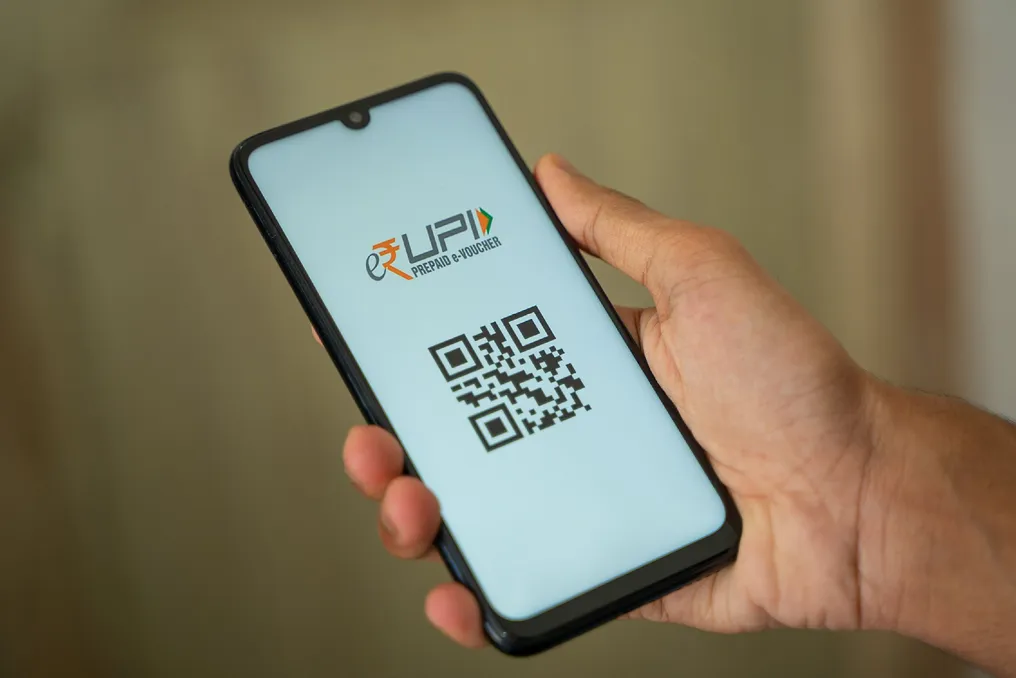
RBI Governor Sanjay Malhotra states that small MDR commission will not significantly affect UPI transaction volumes
Read more
YourStory [india, en]
yourstory.com

RBI Governor Sanjay Malhotra states that small MDR commission will not significantly affect UPI transaction volumes

Reserve Bank of India (RBI) Governor Sanjay Malhotra reported on Wednesday that the introduction of a 'small commission' in the form of a Merchant Discount Rate (MDR) will not have a 'significant impact' on UPI transaction volumes.

Speaking to journalists at the central bank's headquarters, he noted: 'Currently, we are not observing a decline in volumes. And I personally do not think that a small commission will have a significant impact on volumes.'

It is worth noting that last month the government permitted the collection of MDR, under which transactions exceeding 2000 rupees are subject to a 0.4% commission.

Speaking to journalists several hours after the rate hike announcement and emphasizing that a rate reduction is ruled out, Malhotra stated that bank credit growth will remain strong in the future and continue to contribute to overall economic activity.

He acknowledged that the RBI is aware of the potential negative impact on asset quality for non-bank lenders amid liquidity surplus, but clarified that the central bank does not expect such a development.

Furthermore, he added that systemic liquidity will not remain in such a high surplus as in recent weeks for a very long time.

The career bureaucrat who became a central banker pointed to the FCNR(B) scheme, through which banks attracted nearly $133 billion in deposits from the diaspora under a preferential swap mechanism, as an example of the strength of the country's macroeconomic fundamentals. He also expressed confidence that banks will use the attracted funds wisely.

Malhotra mentioned that external difficulties have led to a decrease in flows and added that pressure on the current account is a temporary phenomenon. He radiated confidence in the swift return of the balance of payments to surplus, citing several supporting factors.

Malhotra declined to comment on the issue of RBI rejecting Tata Sons' request to revoke the NBFC license and asking the largest business conglomerate to bring its operations into compliance with top-tier NBFC norms, which is at the center of a protracted dispute between major owners and the holding company's management.
Similar stories

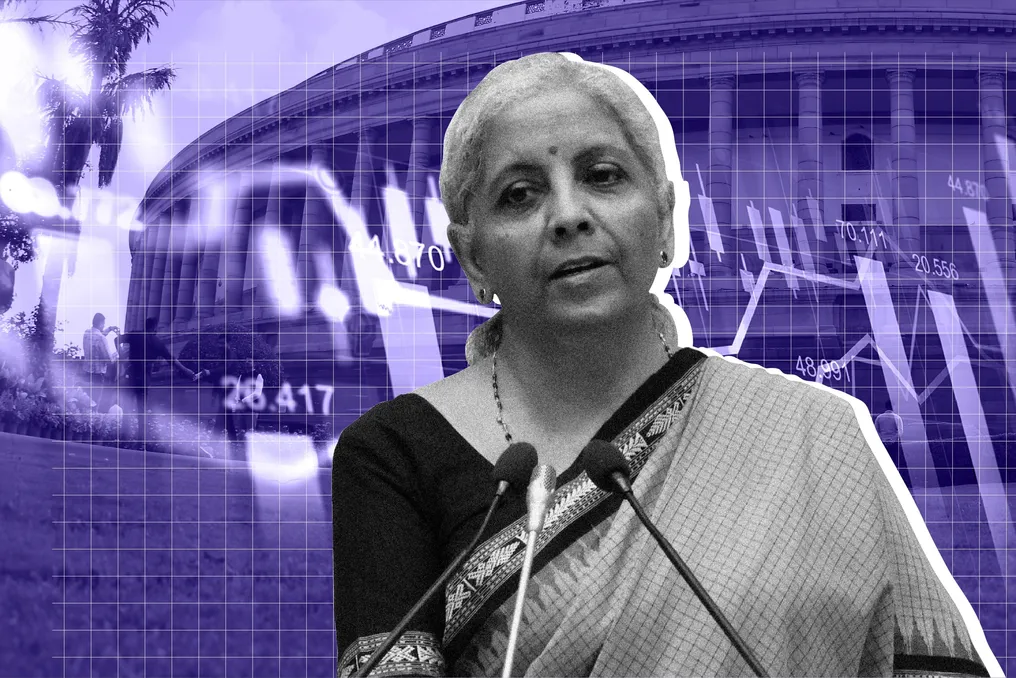
Finance Minister states that the proposed MDR rate for UPI is not a tax and will not burden consumers
Read more
yourstory.com

Finance Minister states that the proposed MDR rate for UPI is not a tax and will not burden consumers

Finance Minister Nirmala Sitharaman refuted criticism from opposition parties, stating that the proposed Merchant Discount Rate (MDR) for certain high-value UPI transactions does not constitute a tax, levy, or surcharge, and the collected funds will not go into the Indian government fund.

Sitharaman clarified that MDR is a charge within the digital payments ecosystem and is collected by the entities facilitating UPI transactions, including payment banks and other ecosystem participants.

She emphasized: 'It is not a tax, it is not a levy, it is not even a surcharge. And the levy does not go into the consolidated fund of India.' According to the proposal, 40% of the total collected MDR will go to the client banks, 30% to the payment gateway, 20% to the UPI application, and the remaining 10% to the sponsoring bank of the UPI application.

The Minister assured that MDR will not be passed on to end consumers but will be covered within the seller payment ecosystem. The National Payments Corporation of India (NPCI) announced the introduction of an MDR of 0.4% on specified transactions from individuals to merchants exceeding ₹2000, starting October 15. Transactions up to ₹2000 and peer-to-peer transfers will remain free.

Sitharaman explained that this charge is distributed among various participants in the payment system to maintain technological infrastructure and stimulate innovation in digital payments. She added that this system has no relation to the government, as NPCI, merchants, banks, aggregators, and other service providers are involved in the MDR mechanism.

The Finance Minister also noted that merchants already pay MDR when using credit and debit cards, and the new mechanism should not be viewed as a consumer fee. Furthermore, she reported that RuPay transactions will remain free, and MDR will not apply to UPI payments below ₹2000.

It is estimated that about 96% of transactions from individuals to merchants will remain unaffected by the new system. The minister's statements came amid criticism of the proposed MDR, where concerns were raised regarding its potential impact on merchants and the possibility of passing costs onto consumers.

Starting October 15, merchants will pay the 0.4% MDR, not consumers, with the commission capped at ₹300 for transactions of ₹75,000 and above. Peer-to-peer payments, as well as the vast majority of daily merchant payments, will remain free.

For essential services such as railways, telecommunications, fuel, and insurance, a fixed fee of ₹5 will be charged per transaction over ₹2000. Capital market transactions (mutual funds, brokerage services) will be subject to a lower rate of 0.02%, also capped at ₹300. Small merchants receiving up to ₹1 lakh per month via UPI QR codes are fully exempt from the new charges, protecting about 96% of all merchant transactions.

NPCI, which manages the UPI platform, issued a circular on September 15 establishing MDR for certain UPI transactions to create a sustainable revenue model for the digital payments ecosystem. A special fund will be created to promote UPI usage by small merchants, into which 5% of the total MDR collection will be directed. This initiative aims to expand UPI adoption, encourage consistent use, and accelerate the inclusion of small businesses into India's digital payment system.

Popular