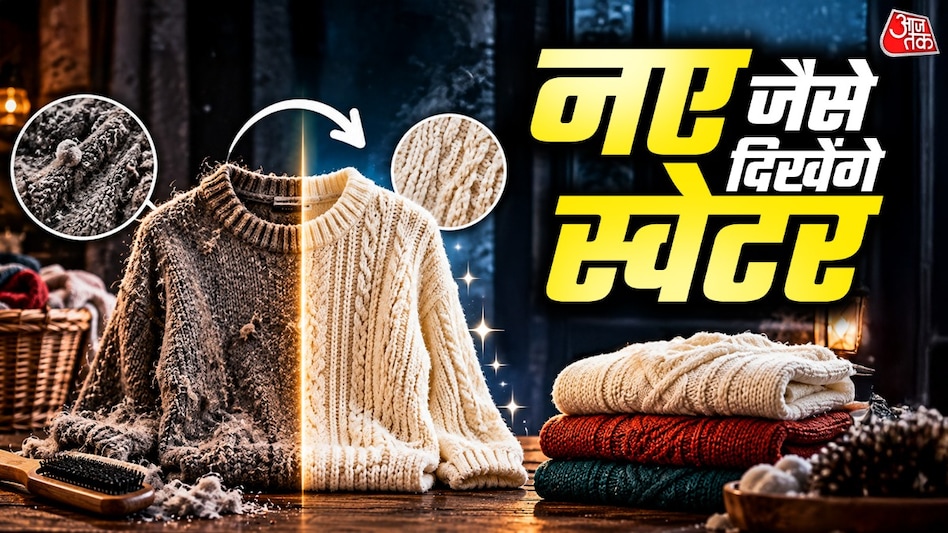
In the cold season, many people like expensive and branded sweaters, wool coats, or blazers. However, due to constant wear, friction, and improper washing, small pills appear on these garments. Pilled clothing looks outdated and messy, and it also loses its softness and shine.
Sometimes people are afraid of pilling and stop wearing their favorite sweaters or simply throw away expensive clothes. If you encounter this problem, you no longer need to spend money on special de-pilling agents or dry cleaning. With a few simple items you have at home, you can remove all pills in just 2 minutes and restore your clothes to a new and radiant look.
The necessary tools for removing pills include: a regular razor blade (sharp and dry), pumice stone, a strip of Velcro or packing tape (scotch tape), a dry abrasive dishwashing sponge, and a comb with fine teeth.
Method using a razor blade (most effective): Lay the sweater or coat flat on a clean, even surface, such as a table or bed. Hold the fabric firmly with one hand, and with the other, carefully glide the razor blade from top to bottom. In a short time, all the pills will be cut off and land on the blade, and the clothing will acquire a completely new appearance.
Using tape or Velcro: If the pills are very light, wrap packing tape (scotch tape) around your hand so that the adhesive side is facing out. Gently tap this tape against the sweater. All fuzz and dust will stick to the tape and be removed.
Cleaning with pumice stone: Gently rub the pilled areas of the sweater or coat with a pumice stone, using only one direction of movement. The rough surface of the stone pulls out all protruding fibers.
Comb with fine teeth: Lay the sweater flat and gently run a plastic comb with fine teeth over the fabric. The protruding fibers will catch in the comb's teeth and easily detach.
Warm clothing should always be washed inside out. Wool items are better washed by hand using liquid detergent rather than in a washing machine. When using a machine, select the 'delicate' or 'wool' cycle, as this prevents friction between fibers and prevents pilling.