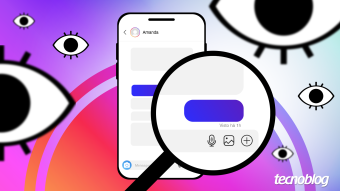
One of the main concerns for Instagram users when visiting someone else's profile, especially if they are not followers, is unintentional interaction with any content. However, the company is reportedly testing a feature called 'read-only mode' that could prevent such situations.
This tool was discovered by developer Alessandro Palucci in the code and allows for invisible navigation through the application, eliminating the risk of interacting with content. This mode, which is supposedly intended exclusively for Instagram Plus subscribers, blocks actions such as likes and comments, and does not log story views.
Screenshots published by Palucci indicate that this mode would also block sending direct messages (DMs), following profiles, and other actions that could leave traces of user activity. Instagram confirmed to Engadget that this is an internal concept but stated there are no external tests of this feature at the moment.
Essentially, read-only mode turns the application into an information viewing environment, similar to functions with the same name in file editors. In such editors, the user can view all content but has no right to interact with anything.
In the case of Instagram, a subscriber could scroll through the feed and view posts but could not interact with them. For example, they could go into the comments of a post, open the profile of a person involved in the discussion, and view that person's stories while remaining unnoticed among viewers.
Another screen revealed by Palucci shows that even when disabling the navigation mode in the app, opening a profile might bring up a pop-up window allowing the viewing of only that person's content without leaving any traces. In social networks, this finding quickly earned the nickname 'stalker mode.'
There are no guarantees that read-only mode will be available to users. It may have been tested during the development of Instagram Plus but was discarded due to potentially negative perception. Nevertheless, Meta has introduced other interesting tools in the paid version of the social network, such as:
Even these features, officially launched with the Instagram subscription, have drawn criticism. Previously, experts told The Atlantic that the new capabilities could become harmful triggers for some people. In another controversial situation, the company led by Adam Mosseri launched and then quickly disabled a tool that allowed friends to display their real-time location on a shared map.