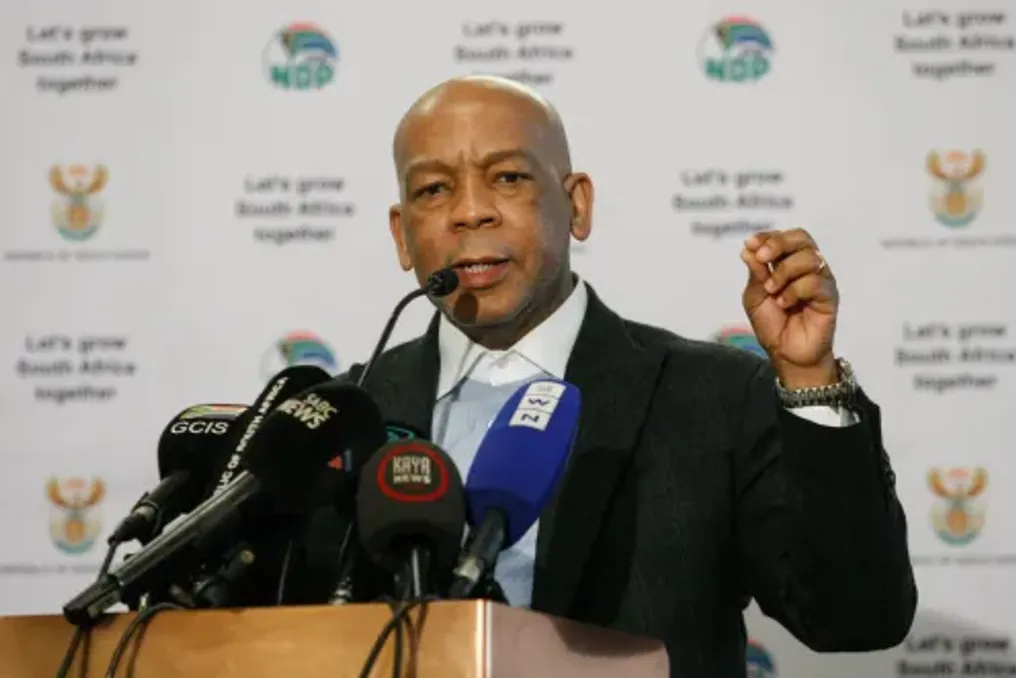
The Minister of Energy, Kgosientsho Ramkgoppa, stated that the government is reviewing the Free Basic Electricity (FBE) program after data showed that only 1.7 million out of approximately 2.8 million identified needy households received this assistance.
In response to an inquiry from DA MP Kevin Mailema, Ramkgoppa explained that planned measures include accelerating the deployment of smart meters for more accurate household-level targeting, as well as the advance allocation of FBE funds. Furthermore, there are plans to review the structure of FBE itself and the adequacy of current allocations, alongside strengthening municipal administration, control, and accountability.
He emphasized that these steps are part of a broader reform of the electricity pricing system aimed at improving targeted support for vulnerable populations. Ramkgoppa also mentioned that his department is negotiating with the National Treasury regarding the direct transfer of FBE allocations to Eskom to manage this function.
Ramkgoppa noted that Eskom will create a national database for registering and identifying needy households. When asked by Mailema why qualified households do not receive the full monthly allowance of 50 kWh, despite reports that only 20% of FBE beneficiaries receive this allowance, he pointed to several issues.
According to the 2023 Municipal Non-Financial Census conducted by Statistics South Africa, approximately 2.8 million needy households were identified, but only 1.7 million utilized the benefit. The main reasons cited for incomplete receipt of the benefit include gaps in the identification and registration of eligible households, limited municipal capacity, and a lack of uniformity in maintaining and managing needy registries.
Additionally, Ramkgoppa added that when municipalities receive funds from the National Treasury, these funds can be diverted to address other urgent financial and service delivery needs, resulting in eligible households not receiving their full entitlement.
He reported that his department, in collaboration with other institutions, is working to strengthen the processes of identifying, registering, and monitoring the distribution of FBE to ensure that aid reaches the intended citizens. When asked by Makashu Gana from Rise Mzansi about the expected date for lowering electricity tariffs below inflation and the proposed increase in FBE for low-income groups, Ramkgoppa clarified that tariffs are determined within the regulatory framework established by the Electricity Regulation Act and applicable tariff methodologies.
He specified that the timing and scale of future electricity tariff adjustments cannot be predicted in advance, as they depend on established regulatory procedures and approved revenue requirements. The department's policy aims to support the transition towards more affordable, predictable, and sustainable electricity prices as energy market reforms take effect, increasing efficiency, and incorporating cost considerations. At the same time, the department does not support a double-digit increase in electricity tariffs by Eskom.
Ramkgoppa explained that future price increases will be determined through the Multi-Year Price Determination Process (MYPD) and approved by the National Energy Regulator of South Africa (NERSA) following public consultations. He also noted that Eskom has not yet submitted an application for MYPD for the next three years.