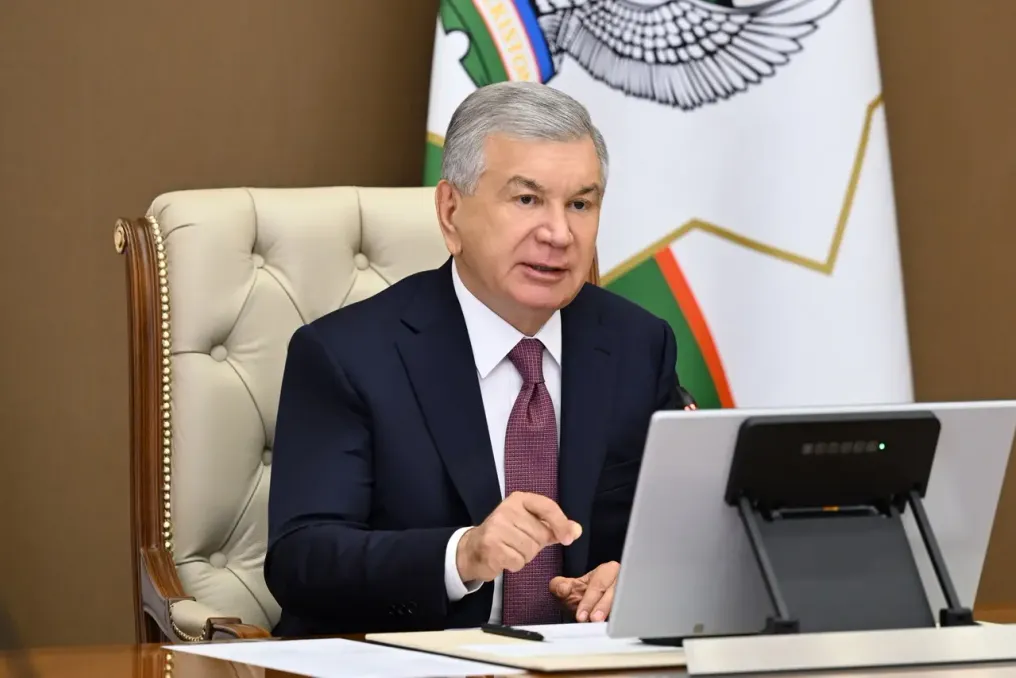
President of Uzbekistan Shavkat Mirziyoyev reviewed proposals to strengthen social protection measures for the autumn-winter period, focusing on reducing expenses for vulnerable segments of the population and expanding targeted state assistance.
The presentation noted that rising prices for raw materials and energy carriers, disruptions in international logistics chains, and ongoing geopolitical tensions are increasing inflationary pressure in many countries. Under these conditions, measures aimed at alleviating the financial burden on citizens are of particular importance.
The proposed social support measures include expanding existing mechanisms for compensating costs for electricity, gas, coal, and utility services. Specifically, during the heating season, it is proposed to increase the basic consumption norm for electricity from 200 to 350 kilowatt-hours for areas without gas supply and for areas not receiving natural gas.
It was also proposed to consider providing vulnerable families with a one-time financial aid in December. Another measure provides for raising the threshold of average per capita household income used to determine eligibility for compensation of costs for electricity, gas, coal, and utility services.
It is planned to raise this threshold to 1.43 million soms for vulnerable families not included in the Social Register. This is expected to cover an additional 166,000 families with state support.
Furthermore, it is proposed to extend the mechanism for compensating part of the costs for electricity and gas consumption above the established basic norm until April 1, 2028. According to estimates, this measure will support 470,000 families over the year.
Work will continue to improve the energy efficiency of housing stock. Thermal insulation and equipping 3,000 houses with energy-saving equipment are planned for mahallas with difficult conditions.
The President instructed the Government to ensure the timely allocation of funds for the planned support measures, guarantee their targeted nature, and strengthen control so that aid reaches every needy person.
Specific instructions concerned the transformation of enterprises engaged in the production and supply of energy resources. Relevant agencies were instructed to improve management efficiency, reduce unnecessary expenses, and decrease losses in energy networks.