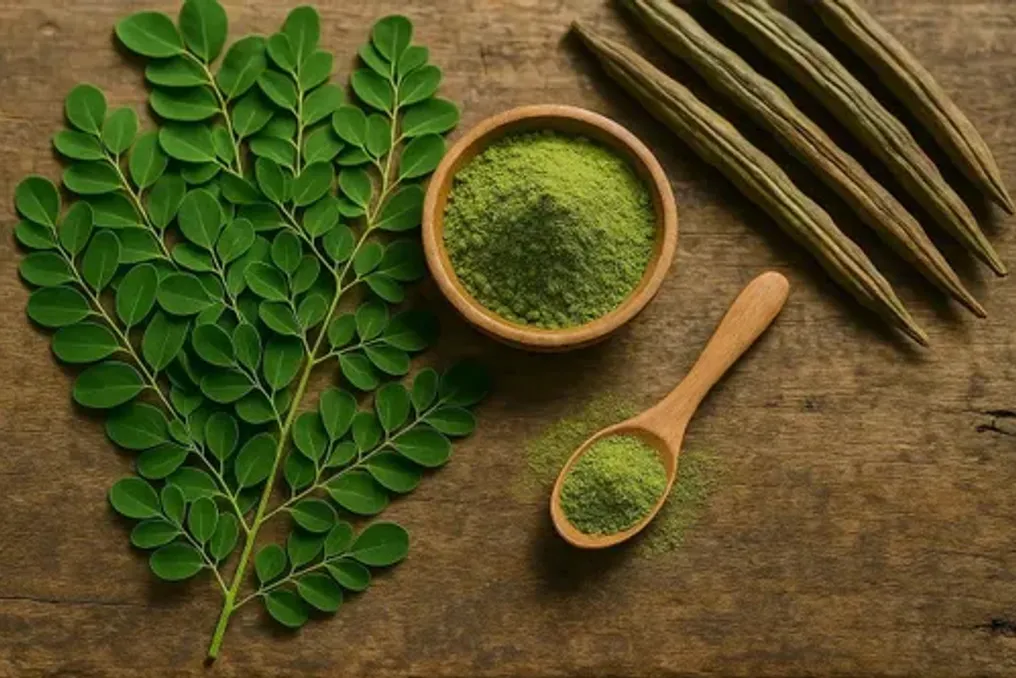
Moringa, known as Moringa oleifera, has gained popularity due to its impressive nutritional profile and promising research; however, it should not be considered a universal cure. This green powder is often used in smoothies, juices, and wellness programs because it is promoted as a natural way to support energy, digestion, and blood sugar levels.
The plant also has other names, such as drumstick tree, radish, and 'miracle tree.' Despite its rich composition and scientific data, it is important to understand that moringa is not a panacea.
What is Moringa?
Moringa is a fast-growing tree native to South Asia, and it is also found in parts of Africa, South America, and Asia. It belongs to the mustard family, which also includes vegetables like kale, broccoli, and Brussels sprouts. Practically all parts of this tree—leaves, seeds, flowers, bark, roots, and pods—have been used in traditional medicine or for food.
Currently, the most common forms are moringa leaf powder and leaf extract.
What Nutrients Does Moringa Contain?
Moringa leaves are a source of several important nutrients, including protein, fiber, Vitamin A, Vitamin B6, Vitamin C, riboflavin, iron, magnesium, and calcium. Additionally, the leaves contain 18 amino acids, including all nine essential amino acids that the body cannot synthesize on its own.
Dried moringa powder is more concentrated than fresh leaves, making it a convenient addition to smoothies, juices, and other dishes.
What Are the Health Benefits of Moringa?
Studies suggest that moringa may offer several potential health benefits, although it should not be viewed as a substitute for medical treatment.
May help with blood sugar levels:
Compounds such as chlorogenic acid and isothiocyanates may help control blood glucose levels. One clinical study showed that women who took about 7 grams of moringa leaf powder daily for three months demonstrated a reduction in fasting blood sugar.
May support heart health:
Existing research suggests that moringa leaves may help lower LDL cholesterol and triglycerides. Antioxidants, such as quercetin, can protect blood vessels from oxidative damage.
Contains anti-inflammatory compounds:
Moringa leaves contain plant compounds, including isothiocyanates and niazimicin, which possess anti-inflammatory properties.
May support digestion:
Due to its natural antimicrobial and laxative properties, moringa can promote normal digestion and bowel function.
May protect liver cells:
Polyphenols in moringa may help protect liver cells from oxidative damage and reduce fat accumulation. Moringa also contains vitamins, minerals, and antioxidants linked to improved energy, brain health, and skin condition.
Moringa Safety: Who Should Be Cautious?
Moringa is not suitable for everyone, and some claims about the plant may create a false impression of its safety. During pregnancy or attempts to conceive, one should avoid moringa roots, bark, and concentrated extracts, as compounds in these parts may induce uterine contractions. Women who are breastfeeding should also exercise caution due to a lack of clinical data on the transfer of active compounds into breast milk.
Drug Interactions:
Moringa potentially can affect blood pressure, thyroid function, and blood sugar levels. Therefore, it may interact with medications such as diabetes drugs, antihypertensives, and thyroid hormone preparations. Individuals taking anticoagulants, such as warfarin, must also consult a doctor before using moringa.
Heavy Metal Contamination:
Low-quality moringa powder may contain heavy metals, including lead. It is important to choose reliable products that have been tested for contaminants. Pregnant women, nursing mothers, people taking chronic medications, or those with health problems should first consult a medical professional before consuming moringa supplements.
Are There Side Effects?
In moderate amounts, consistent with dietary intake, moringa is generally well-tolerated by most adults. However, taking large doses may cause symptoms such as stomach spasms or nausea, heartburn or stomach irritation, as well as diarrhea and a laxative effect. To assess the body's reaction, it is recommended to start with a small amount.
How to Add Moringa to Your Diet
If your doctor deems moringa suitable for you, start with a small portion instead of taking a large dose immediately. Moringa powder has an earthy, slightly bitter taste and can be added to soups, green juices, or smoothies. When choosing products, look for a clear indication that it is Moringa oleifera leaves, and if possible, choose products that have undergone independent testing.
Moringa is highly nutritious, and studies suggest it can offer several health benefits. Nevertheless, calling it a 'miracle cure' is an exaggeration. It should not replace a balanced diet, a healthy lifestyle, or prescribed medications. If you are considering taking moringa supplements, especially if you are taking medication, are pregnant, or breastfeeding, be sure to consult a qualified healthcare professional. This article is for informational purposes only and does not constitute medical advice. Consult a qualified specialist before starting any new dietary supplement.