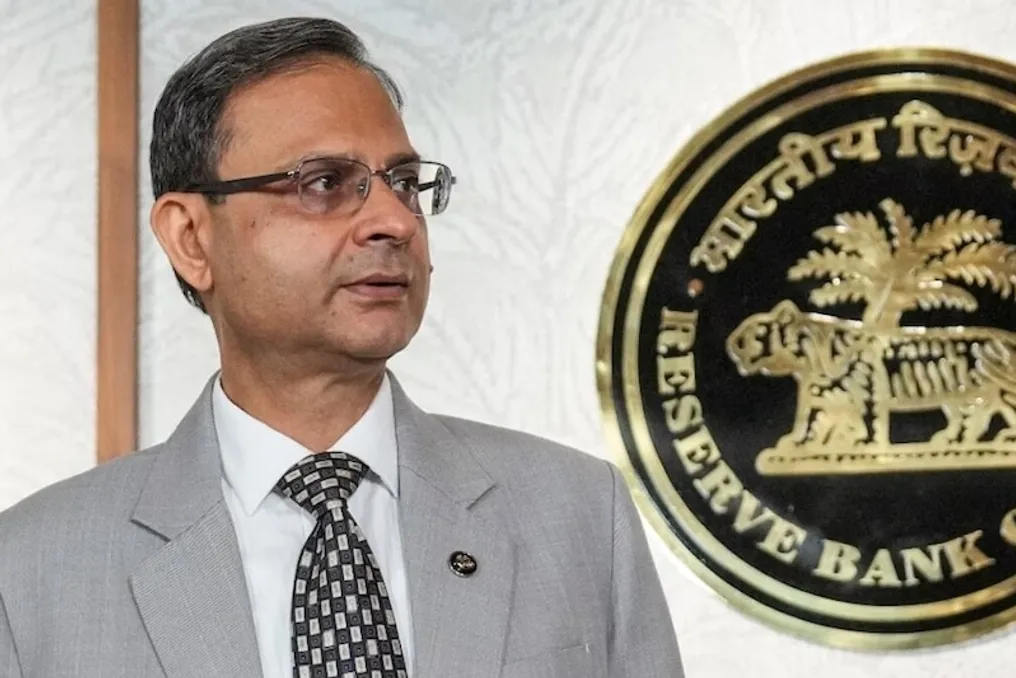
The Reserve Bank of India (RBI) will announce its decision on Wednesday. During the Monetary Policy Committee meeting, there is active discussion about a potential repo rate hike of 0.25%, or 25 basis points. If the RBI raises the repo rate from 5.25% to 5.50% due to rising inflation and crude oil prices, it will directly affect both monthly mortgage payments and the yield on fixed deposits (FD).
How will this affect mortgage borrowers? If banks fully pass on the burden of the rate hike to customers, the interest rate on the home loan will increase by 0.25%. For example, with a home loan of 50 lakh rupees over 25 years at an interest rate of 7.50%, the current monthly payment is approximately 36,950 rupees. After the repo rate hike, the interest rate will rise to 7.75%, leading to an increase in the monthly payment to 37,766 rupees, meaning an additional payment of 817 rupees per month. Under this scenario, this amounts to about 9,800 rupees per year, or approximately 2.45 lakh rupees in extra interest over the entire 25-year loan term.
It is important to note that the repo rate hike does not lead to an immediate increase in the monthly installment; it is applied on the day the loan is 'reset' at the bank. Furthermore, some banks may extend the loan term instead of increasing the EMI.
Consider another example: if a home loan of 50 lakh rupees is taken for 20 years at an annual rate of 8%, where the EMI is 41,822 rupees, then with the bank raising the rate to 8.25%, the monthly payment will increase by 781 rupees.
Advantages for Fixed Deposit Depositors
Unlike mortgage holders, an increase in interest rates is good news for depositors and those opening FDs. If the repo rate rises, banks also increase FD rates by 0.25%, ensuring higher returns for new depositors. If you place an FD of 10 lakh rupees for 1 year at a rate of 7.00%, the return will be 70,000 rupees. However, with the rate increasing to 7.25%, the return increases to 72,500 rupees, providing a direct gain of 2,500 rupees.
Impact on Old Deposits
The interest rate on existing FDs will not change. The new rate will only apply when opening new FDs or renewing old ones. If you plan for long-term savings, a sensible strategy may be to wait for banks to raise deposit rates.