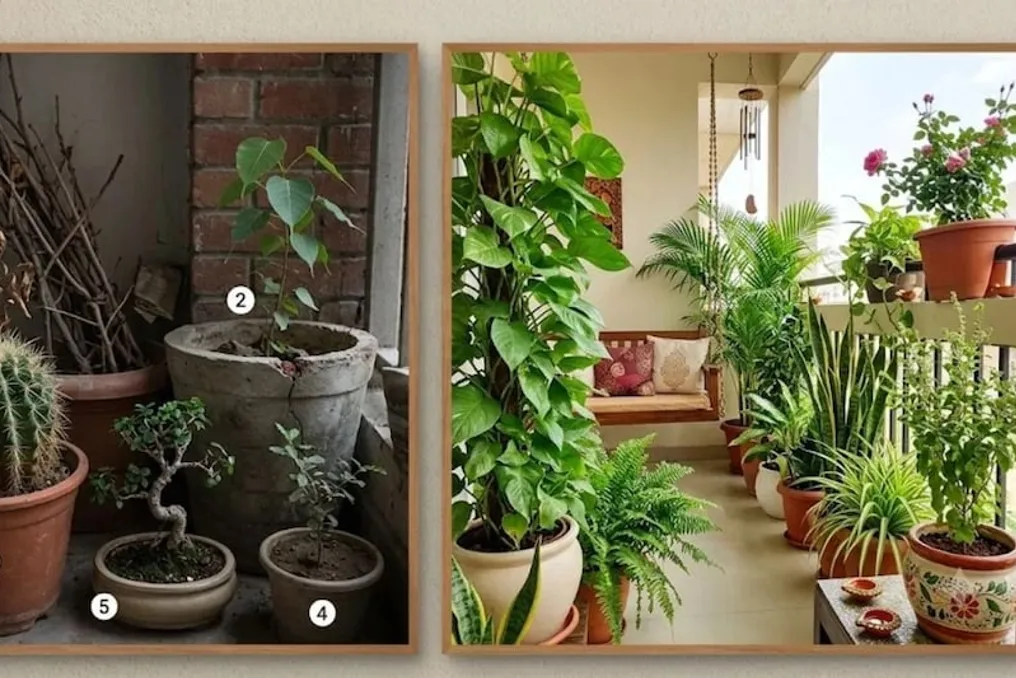
Growing basil indoors is a common practice, and people often place pots of basil in any available spot—be it a balcony, a roof, or a small kitchen garden corner. However, it is important to know that a neighboring plant can negatively affect the growth of basil. Since every plant has its unique needs for water, soil, sunlight, and nutrients, placing plants with different requirements together can lead to both plants receiving insufficient water and nutrients.
This can affect the health of the basil: slowing its growth, reducing the number of leaves, or deteriorating its color. Therefore, before planting any other plant near basil, it is necessary to study its needs. If you grow basil at home, it is important to know which plants to avoid near it and which ones it can grow harmoniously with.
Basil Care Tips
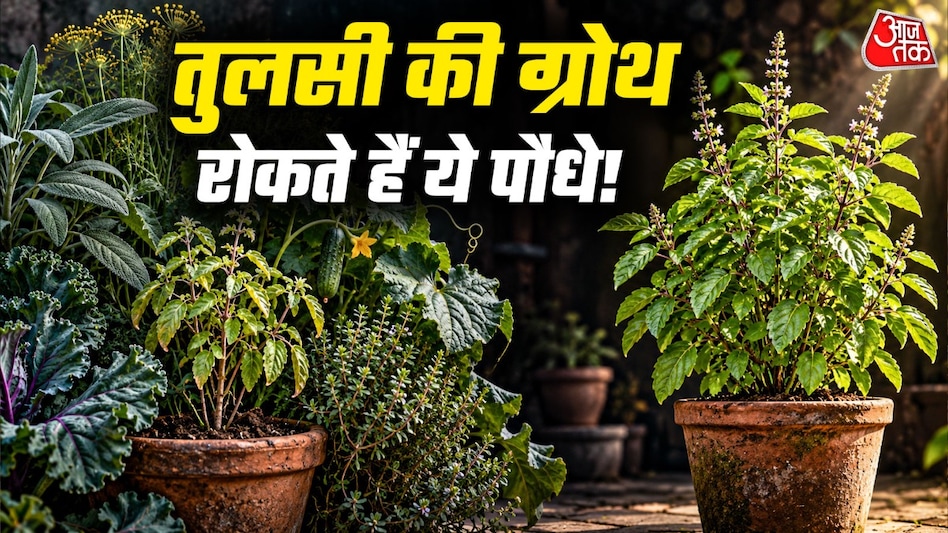
Take sage, for example. Sage prefers a moderate amount of water and grows well in drier soil, whereas basil requires regular watering and slightly moist soil. Placing them in the same pot or very close to each other can create problems regarding water needs. If you water the basil according to its needs, the soil may become too wet for the sage, and if you water according to the sage's needs, the basil may not receive enough moisture.
Mint is also not considered a good neighbor for basil. Some natural chemicals released by this plant can negatively affect the growth of surrounding plants. Consequently, to maintain dense and healthy basil, it is better to plant mint at a distance.
Cucumber plants require a significant amount of water and nutrients for good growth, just like basil, which needs regular watering and feeding. If both plants are planted too closely, they may both lack sufficient water and nutrients from the soil, leading to slowed basil growth.
The requirements of thyme and basil also differ significantly. Thyme prefers drier soil, while basil requires constant moisture. Thus, satisfying the needs of both plants in one place can be difficult, so it is better to keep thyme separate from basil.
Cabbage and kale are plants that grow best in cool climates, whereas basil thrives in warm weather. Due to differences in preferences and growing conditions, placing them right next to basil can negatively affect its development.
Which plants are good to plant near basil?
It cannot be said that no other plants can be grown near basil. With the correct selection of plants, space around the basil can be used effectively. Plants such as tomatoes, marigolds, oregano, and parsley are considered good companions for basil. Therefore, when planting, it is much wiser to consider their needs rather than just choosing an empty spot.
Is attention only to watering and fertilization enough?
If your basil is constantly weakening, producing few leaves, or not becoming as lush as expected, simply increasing the amount of fertilizer and water might not be enough. You also need to check what plant is planted directly next to the basil. The problem may not be in your care, but in the incorrect combination of plants. Choosing the right companion is also an important part of good basil growth.