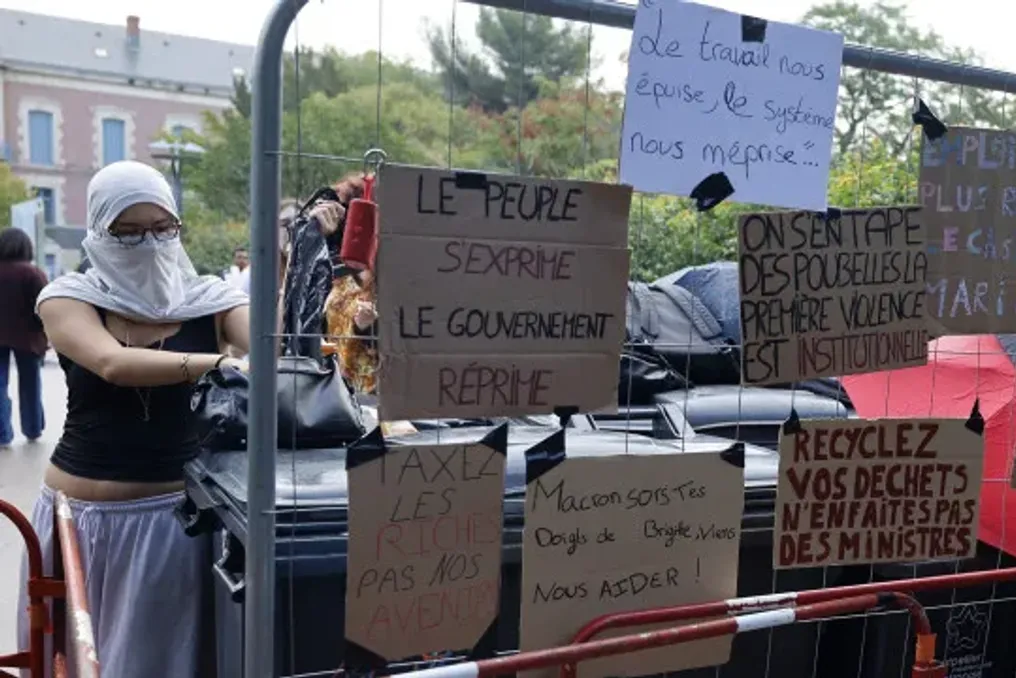
The Ministry reported that today, before the demonstration began in Paris, a quarter of all secondary schools suspended classes. This action is supported by teachers' unions, and according to the police, it could gather between 20,000 and 40,000 participants.
The protest started about two weeks ago at a secondary school in the Paris region but quickly turned into a nationwide movement pressuring the government of current President Emmanuel Macron. This movement has been accompanied by clashes with the police and unrest.
Constant boycotts of classes and school blockades, along with a harsh police response that resulted in over 6,100 detentions, most of which were minors, became a critical point in the first days of the presidential election campaign.
Teenage protests resonated with general discontent in France. Citizens' frustrations go beyond immediate issues, such as the sharp rise in fuel prices due to the war with Iran, and encompass broader concerns regarding government spending limits, rising poverty, and wealth inequality.
Authorities began closing schools last week to reduce the intensity of the protests following widespread damage and an increase in injuries among staff, students, and police.
Interior Minister Laurent Nuñez defended the methods used by the police against high school students, despite the growing list of seriously injured, who are alleged to have been wounded by police riot control measures. He stated that the police reaction was proportional 'in almost all cases' and noted that the protests at times escalated into riots, reminding that 715 police officers were injured.
However, the widespread use of arrests, tear gas, and riot control measures against teenagers is increasing resistance and causing irritation among some parents and teachers. In some schools, today's demonstrations are taking place with the participation of many parents and other adults.
