Karnataka Government Plans Bangalore Expansion with 9 New Urban Areas and Construction of 6.5 Lakh Housing Units
Read more
Aaj Tak
www.aajtak.in

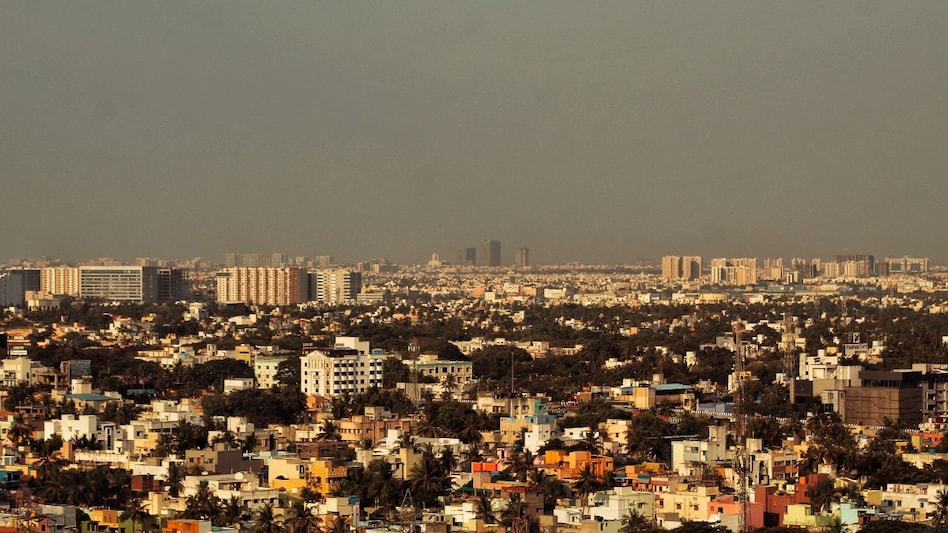
Karnataka Government Plans Bangalore Expansion with 9 New Urban Areas and Construction of 6.5 Lakh Housing Units

Bangalore is traditionally known as a major employment and IT hub, but its future development will not be limited to existing urban areas. The Karnataka government is developing a plan for the next 10–15 years that includes expanding infrastructure, including job opportunities, housing, and transport hubs, in the peripheral areas of the Bangalore Metropolitan Region (BMR).

As part of this large-scale program, the creation of nine industrial urban areas, the construction of an additional metro network spanning 312 kilometers, the erection of a 210-kilometer ring road, and the implementation of an RRTS project covering approximately 270 kilometers are planned. Furthermore, the construction of between 600,000 and 6.5 million residential units is foreseen across the region.

From a real estate market perspective, the key feature of this plan is not just the expansion of road and metro networks. The main change lies in the government's attempt to simultaneously develop amenities such as jobs, housing, roads, public transport, water supply, and sewage in the suburbs.

The proposed RRTS network of about 270 kilometers is considered an important step for connecting Bangalore with neighboring major cities and regions. Additionally, the metro network is planned to expand by 312 kilometers by 2037, and about 72 kilometers of additional suburban rail connectivity are also anticipated.

The government is also working on creating 10 new centers through the construction of a ring road approximately 210 kilometers long. A proposal to connect the Phase-2 Peripheral Ring Road with the NICE road is also under discussion. The goal of this is not only to facilitate movement within Bangalore but also to create better connectivity between the city, its outskirts, and adjacent districts.

Perhaps the most significant element of this plan for the outer areas of Bangalore may be the nine integrated industrial urban areas. Approximately 13,500 acres of land have been designated for these projects, of which about 7,900 acres have already been acquired, and the process of acquiring another 5,600 acres is underway. The idea behind these urban areas is to relocate new industrial centers and employment opportunities outside the existing parts of the city, rather than concentrating them within them.

According to a MagicBricks report, the housing plan is also highly significant for the Bangalore real estate market. The government is preparing a plan to construct between 600,000 and 6.5 million homes across the region. Of these, about 40,000 to 50,000 homes are intended for employees working in industrial enterprises. It is important to note that the plans for new housing are not being considered in isolation but are integrated with industrial and transport development. This means that where new employment centers are developed, efforts will be made to meet local housing needs.

For those planning to purchase an apartment in Bangalore, this could mean increased activity in the real estate market not only in the city's core areas but also in its periphery in the future. However, it is premature to state which specific areas will benefit the most, as the exact location of the urban areas and the timelines for project implementation are not yet fully clear.

From a real estate market perspective, the most crucial aspect of this entire plan is the government's aim to develop jobs, housing, and transport simultaneously. When employment opportunities emerge in any area, the demand for nearby housing, shops, offices, and other amenities increases. If the proposed industrial urban areas and transport projects are implemented, some outer parts of the BMR could become new residential and commercial centers in the future.

Similar stories

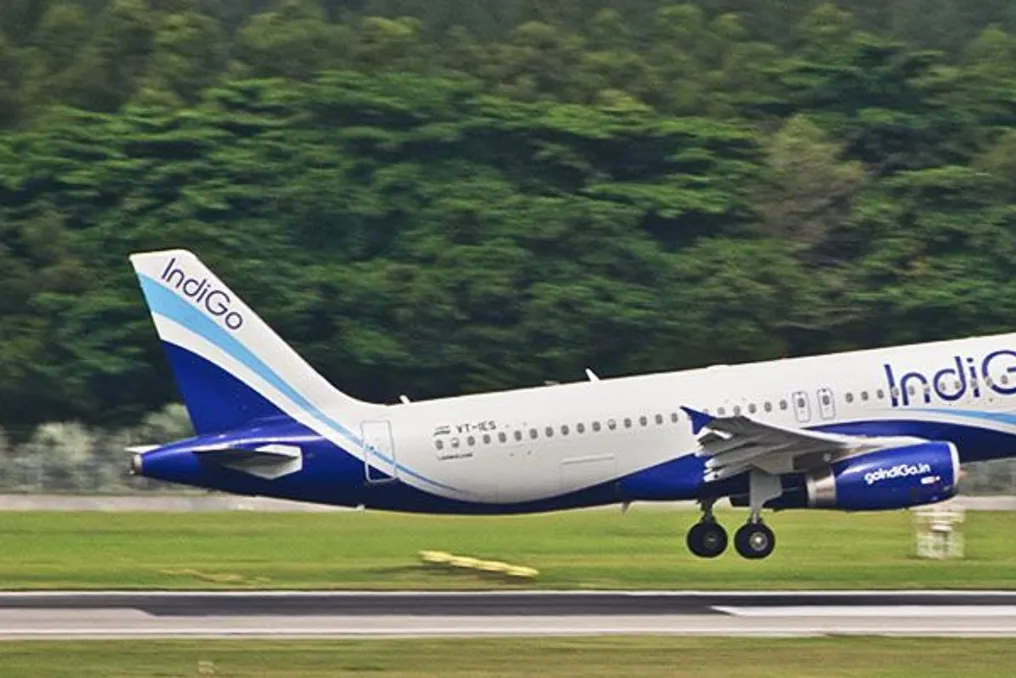
Indian airline IndiGo increases fuel surcharge for all flights starting October 6
Read more
yourstory.com

Indian airline IndiGo increases fuel surcharge for all flights starting October 6

The country's largest airline, IndiGo, announced on Monday an increase in the fuel surcharge for both domestic and international flights. This decision was made against the backdrop of rising aviation fuel prices.

The new tariffs will take effect from October 6, which will lead to an increase in air ticket costs. The size of the increase for domestic flights varies from 100 to 350 rupees depending on the route length. The surcharge increase also applies to international flights.

This is the second increase in the fuel surcharge since April, after it was introduced in March. For domestic flights, the following amounts have been set: 375 rupees for routes up to 500 kilometers, 600 rupees for distances from 501 to 1000 kilometers, 900 rupees for distances from 1001 to 1500 kilometers, and 1150 rupees for distances from 1501 to 2000 kilometers. For flights exceeding 2000 kilometers, the fuel surcharge will be 1300 rupees.

For flights in the SAARC region, the fuel surcharge ranges from 1000 to 3000 rupees, while for flights to Africa, it is from 6000 rupees, and 10000 rupees for services in Europe. According to the statement, for flights to Southeast Asia, GCC countries, the Middle East, North and East Asia, the fuel surcharge will be 5500 rupees.

IndiGo noted that the prices for Jet A Fuel (ATF) have remained volatile in recent months, especially following the geopolitical situation in the Middle East. According to the airline, the continuous rise in fuel prices, with the last monthly increase exceeding 14 percent, has raised ATF costs to some of the highest levels in the last decade.

In its statement on Monday, the company emphasized: 'Given that aviation fuel (ATF) constitutes a significant portion of the airline's operating expenses, this increase is expected to affect the cost structure and network economics of airlines, including IndiGo.'

Swara Baby Products receives SEBI approval for INR 1000 crore IPO
Read more
yourstory.com

Swara Baby Products receives SEBI approval for INR 1000 crore IPO

Swara Baby Products, a contract manufacturer of baby diapers, adult diapers, and feminine hygiene products, has the support of FirstCry. The company received approval from SEBI on Tuesday to proceed with its planned Initial Public Offering (IPO) worth INR 1000 crore, according to updated information provided to the regulator.

As per the Draft Red Herring Prospectus (DRHP), the proposed IPO includes a fresh equity issue of up to INR 500 crore, along with an Offer for Sale (OFS) of INR 500 crore by the promoters.

The OFS comprises the sale of shares worth up to INR 300 crore by Brainbees Solutions Ltd and up to INR 200 crore by Anadya Bon Merchari LLP.

The company filed preliminary documents for the IPO with the Securities and Exchange Board of India (SEBI) on July 2 and received the final clearance from the regulator on October 6.

The SEBI clearances mark a significant milestone in the IPO process, allowing companies to continue preparations for public listings while adhering to applicable regulatory requirements.

According to the draft documentation, the company plans to utilize the net proceeds from the new issue to establish a new manufacturing facility in Madhya Pradesh with an allocation of INR 198.2 crore, repay or prepay borrowings amounting to INR 100 crore, and invest INR 27.5 crore in subsidiaries Solis Hygiene, Swara Hygiene, and K.A. Enterprises Hygiene Pvt Ltd (KAEHPL) to settle their outstanding loans.

Furthermore, funds will be directed towards inorganic growth through acquisitions and general corporate purposes. Swara Baby may also conduct a pre-IPO placement of up to INR 100 crore.

Established in 2018, Swara Baby manufactures disposable hygiene products in the segments of baby care, adult incontinence, and feminine hygiene. Its product portfolio includes baby diapers, adult diapers, sanitary pads, and panty liners, which are primarily manufactured on a contract basis for consumer brands.

Popular