Six South African coastal towns where the ocean is best experienced from land
Read more
Getaway
getaway.co.za

Six South African coastal towns where the ocean is best experienced from land

Coastal towns across the country offer hiking trails on cliff edges, impressive viewpoints, historic lighthouses, estuaries, wildlife habitats, and hiking paths that reveal another facet of the ocean. In some places, the best views are from a mountain overlooking the sea, while in others, they are from a winding coastal trail or estuary where fresh water meets the Indian Ocean.

These six locations are worth visiting if you want to experience the coast without making typical beach holidays the central event.

Hermanus

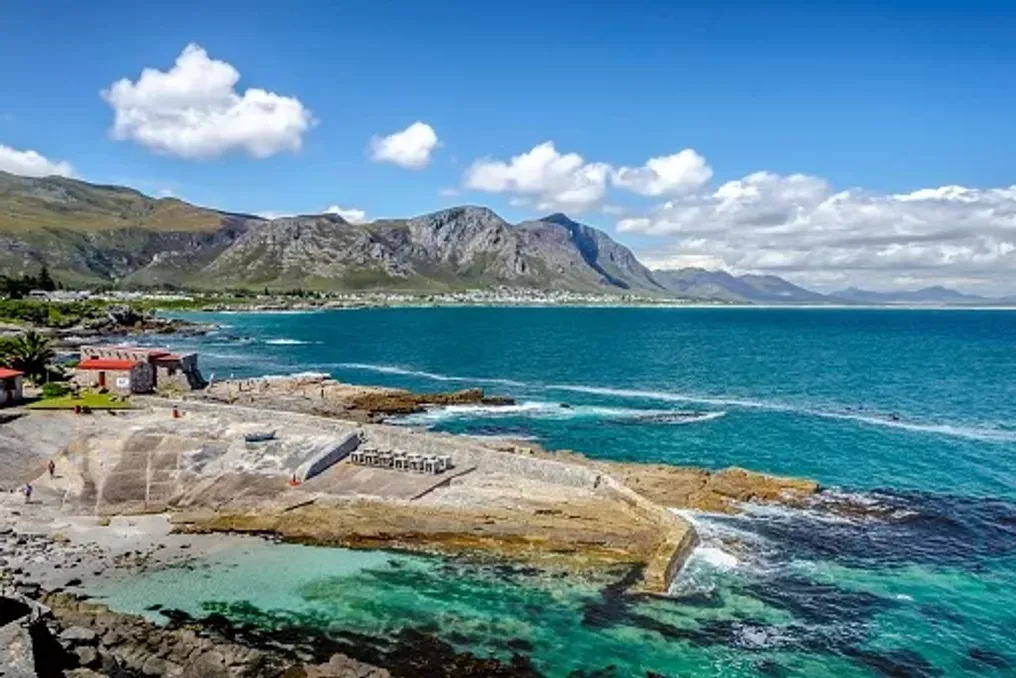
Hermanus is one of South Africa's most renowned destinations for viewing marine life from land. The city's cliff path stretches over 12 kilometers along Walker Bay, equipped with benches and over-water viewpoints. The route runs from New Port towards Grotto Beach and offers numerous opportunities to stop and admire the bay.

During whale season, visitors can see southern right whales arriving for mating and calving. Bryde's whales can be observed year-round, and humpback whales pass by the coast between June and November. The appeal of this location is not limited to whales: the trail crosses coastal vegetation, rocky shores, and small coves, making the walk worthwhile even during quiet periods.

You can start near Old Port and follow sections of the Cliff Path at your own pace. Gearing's Point is another useful viewpoint over Walker Bay, and Silver Point is particularly popular for whale watching. If you visit outside whale season, the route will still offer breathtaking ocean views and the chance to see seabirds and marine life beneath the cliffs.

Knysna

Knysna is a coastal town where the ocean is best perceived as part of a much larger landscape. The famous Knysna Heads consist of two sandstone formations framing the entrance to the Knysna Estuary. From the Eastern Head viewpoint, visitors can look through the lagoon at mountains while seeing the Indian Ocean in the distance. This viewpoint has several observation decks, making it a convenient spot to pause and take in the scale of the landscape.

At the foot of the Eastern Head, Ponnant Point offers another perspective beneath the cliffs, with a walking track running along the base of the headland. For a more active experience in Featherbed Nature Reserve on the Western Head, there is a 2.2-kilometer coastal walk as part of an organized tour. This route opens up views along Garden Route and across the Knysna Lagoon.

One can also drive towards Brenton-on-Sea and stop at a high viewpoint overlooking the Indian Ocean. During whale season, this spot is used for land-based whale watching. Thus, Knysna is more about understanding how the forest, lagoon, cliffs, and ocean interact than simply sitting on a patch of beach.

Mossel Bay

Mossel Bay boasts over 60 kilometers of coastline, but one of the best ways to enjoy it is from above. Cape St Blaize Lighthouse stands on the cliffs where the town transitions into a rugged stretch of coast. The lighthouse has been operational since 1864, and its elevated position provides visitors with expansive views across the bay and along the cliffs. This setting also allows for a combination of coastal scenery with history, as St Blaize Cave is located beneath the lighthouse, and the St Blaize Trail begins nearby.

The St Blaize Trail, stretching 13.5 km along the cliffs west of the lighthouse towards Dana Bay, takes about six hours and has a moderate difficulty level, following a 30-meter line above the shoreline. It is a good choice for travelers wishing to turn a coastal viewpoint into a full day outdoors. One can expect to see cliffs, ocean views, fynbos, and rare signs of marine life, rather than a traditional beach plan.

If you are not ready for a full hike, a simple visit to the lighthouse and exploring the Point will give you a similar sense of the landscape during a much shorter outing.

Cape St Francis

Cape St Francis is home to one of East Cape's most distinctive coastal landmarks—the Sealy Point Lighthouse. Built in 1878, this lighthouse stands on a peninsula surrounded by the ocean and remains operational. According to the St Francis Tourism Board, it is the tallest stone lighthouse in South Africa, reaching a height of 27.75 meters. The lighthouse provides an exceptionally good opportunity to feel the ocean from land, as the view changes with the ascent.

Tours allow visitors to climb 154 steps to the lantern room, located 28 meters above ground, to gain wide views of the surrounding coast and Cape St Francis itself. Tours are weather-dependent. Furthermore, the lighthouse gives the place a strong maritime character. Instead of just looking at the ocean from the beach, one can be inside an active coastal beacon built to safely guide ships past reefs. It is an ideal stop on a trip along the East Cape, especially for those interested in coastal history, architecture, and landscapes.

Port St Johns

Port St Johns offers perhaps the wildest interpretation of this idea. Known as the Pearl of the Wild Coast, the town is situated between Sullivan's Mountains and Thezigher at the mouth of the Umzimvubu River. High cliffs, subtropical vegetation, and sandy beaches at the river mouth create a coastline that feels far removed from typical resort towns. The landscape is particularly impressive from above. A walk to Eagle Nest takes about an hour and leads to a viewpoint overlooking the town, and Thezigher Mountain has a cliff-edge viewpoint used for picnics and evening gatherings.

Port St Johns has a network of walking trails, including routes around the town, coastal areas, and nearby nature reserves. The local tourism organization also lists routes such as the Lighthouse Loop, as well as trails to Sullivan's Mountain and Thezigher Mountain. The Silaka Reserve offers another way to experience the coast, featuring local forest, short hikes, birdwatching, and rocky shores. This area is also home to wildlife, including the blue duiker and bushbuck.

Marine life remains part of the experience without the need to charter a boat. Dolphins are regularly seen in the open sea, and whales can be spotted seasonally. The combination of cliffs, river, forest, and ocean makes Port St Johns particularly appealing for this type of coastal getaway.

St Lucia

St Lucia completely redefines a coastal town. Here, the Indian Ocean is part of a much larger wetland landscape. St Lucia is adjacent to iSimangaliso Wetland Park, South Africa's first World Heritage Site, where coastal forests, lakes, dunes, estuaries, and marine environments form one interconnected ecosystem. Lake St Lucia, nearby, is a vital estuarine system and one of the most significant wetlands in South Africa. More than half of the KwaZulu-Natal waterfowl feed, rest, or nest around the lake, and its waters serve as an important spawning ground for fish species.

The St Lucia area is ideal for travelers who wish to incorporate wildlife viewing into their coastal experience. Depending on the area explored, the landscape may offer encounters with hippos, crocodiles, antelopes, and a wonderful variety of birds. Areas of the Western Shores and Charter's Creek in iSimangaliso offer views of Africa's largest estuarine lake, and four of the 'Big Five' can be found in the surrounding landscape. The estuary can also be explored on foot or from designated viewpoints, observing mangroves, reeds, and the changing landscape around the water. Here, the ocean is not just a place for swimming; it is part of a vast ecological system where wetlands, wildlife, and the coast meet.

These towns demonstrate that a coastal holiday does not have to revolve around swimming or sunbathing. In Hermanus, the cliffs transform the ocean into a wildlife viewing theatre. Knysna reveals the connection between the estuary and the sea. Mossel Bay combines cliffs with maritime history, while Cape St Francis places the coast under a historic lighthouse. Port St Johns brings the drama of the Wild Coast, and St Lucia shows how closely the ocean is linked to wetlands and wildlife. Next time you visit the South African coast, look beyond the sand. Some of the country's most memorable ocean experiences begin where the land ends.
Similar stories

Eight South African Cities Suitable for Surfing Enthusiasts
Read more
getaway.co.za

Eight South African Cities Suitable for Surfing Enthusiasts

The coast of South Africa is ideal for a road trip, and surfers have many reasons to follow this route. The surfing towns offer diverse experiences depending on skill level, weather conditions, and the desired type of coastal relaxation. Here you can take your first lesson, visit cities with an established surf culture, or choose quieter spots where morning time in the water can be combined with hiking, seafood lunch, or beach relaxation. Thanks to the presence of both the Atlantic and Indian Oceans, conditions vary significantly across different regions.

For those planning a road trip specifically for surfing, there are several South African locations worth knowing about.

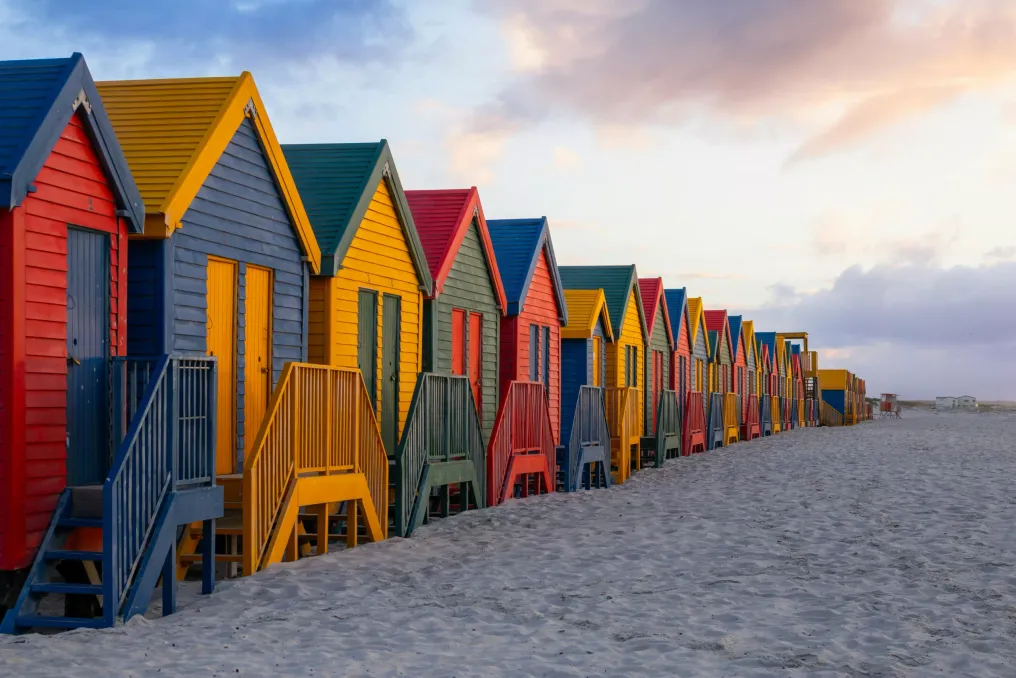
For beginners, Muizenberg is an obvious choice. Located on the False Bay coast, this area is known for its small, rolling waves, sandy bottom, and developed surf culture, offering several schools and equipment rental points. Although the town has become almost synonymous with surfing in Cape Town, Muizenberg offers more than just waves; its colorful Victorian bathing houses, promenade, cafes, and restaurants give it a relaxed seaside character, while the surrounding Cape Peninsula provides plenty of options to fill the rest of the day.

Due to its sheltered position in False Bay, conditions can change depending on wind and waves, but manageable waves for less experienced surfers are often found here. This beach also serves as a good introduction to the local Cape Town surf scene before moving to the more open parts of the peninsula.

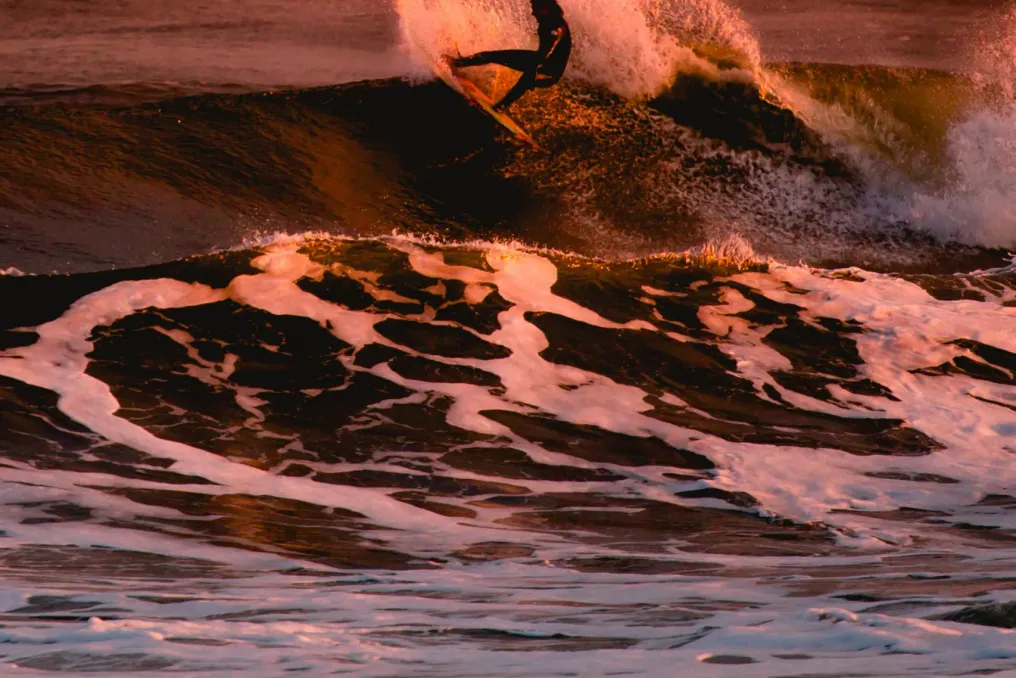
Few South African surf towns have the reputation of Jeffreys Bay. Known to surfers as J-Bay, this town in the Eastern Cape boasts several sections along its coast, including the famous Supertubes, Bonjervis, Point, Kitchen Windows, and Magnantubes.

Supertubes is renowned for fast, long right-hand waves and powerful barrels, especially during winter storms. This is serious surfing, and conditions can be challenging, so experience is key. Other sections in the area provide varied conditions, making the town more than just a place for one wave. J-Bay's identity is closely tied to surfing: surf shops, board culture, and a constant flow of local and international surfers are part of daily life, and the beaches and laid-back atmosphere make it an easy addition to a trip through the Eastern Cape. For visitors not surfing, there are also many attractions here thanks to the long beaches, shops, restaurants, and access to the wider Sunshine Coast.

Not far from Jeffreys Bay is St Francis Bay, offering a different kind of coastal getaway. The town is known for its characteristic white houses, canals, and beaches, but it also has a long connection to surfing. The history of surfing in the area spans decades, as St Francis Bay featured in 'The Endless Summer'—an influential 1960s surf film that helped put several South African spots on the international surfing map. Today, the wider St Francis area remains a worthwhile stop for surfers, as Cape St Francis and other nearby beaches add variety to the coastline. It is also a place suitable for groups with diverse interests, as besides surfing, water sports, hiking, fishing, and beach activities are available. Instead of planning a trip solely around chasing waves, St Francis Bay allows for a slower coastal journey where time in the water is part of a broader Eastern Cape leisure experience.

Victoria Bay is one of those places easily missed when driving quickly along the Garden Route. This small bay is located between George and Wilderness and has long been associated with surfing, particularly its right point break. South African tourism includes Victoria Bay in the list of stops worth visiting on a Garden Route surf trip. Its compact location is part of its appeal: unlike extensive beach destinations, Victoria Bay feels like a small coastal enclave where surfing is close to accommodation and amenities. Its location on the Garden Route also simplifies including it in a longer trip, allowing one to combine a session in Victoria Bay with visits to Wilderness, Knysna, Plettenberg Bay, and other coastal towns, rather than making it a specialized surf vacation. Before heading out, it is advisable to check the conditions, especially because the nature of the point break changes depending on waves, wind, and tide.

Mossel Bay is another useful stop for surfers traveling along the Garden Route. Its coast stretches for kilometers, with several beaches and surf spots in the town and surrounding areas, and the town itself offers enough history and entertainment to keep non-surfers occupied. Diaz Beach is one of the local beaches used for surfing, and Santos Beach is located near the town center and convenient for visitors wishing to combine time in the water with access to restaurants, accommodation, and other attractions. The town's location is also practical for travel: moving from Cape Town, Mossel Bay can be the first major coastal stop before continuing towards Victoria Bay, Wilderness, and Plettenberg Bay. As in other parts of the Garden Route, conditions change, so surfers should check the forecast rather than assuming every beach will be suitable every day.

Plettenberg Bay is better known as a general coastal tourist destination rather than a specialized surf town, but this is what makes it useful for a group with diverse interests. The coastline around Plett includes several beaches, and the wider area offers hiking, nature reserves, marine activities, and restaurants. Thus, a trip can be structured around surfing without being dependent on waves throughout the holiday. South African tourism includes Plettenberg Bay in the list of surf stops on the Garden Route, and its proximity to other coastal destinations allows surfers to use the town as a base and move along the coast depending on conditions. Lowkut Beach and the wider coast are worth checking under suitable conditions, but Plett's main advantage for a coastal trip is the variety of activities available after getting out of the water.

For surfers who would prefer to swap a thick Cape wetsuit for the warmer waters of the Indian Ocean, Durban is an obvious stop. The city has a long beach stretching along the Golden Mile, with several beaches used by surfers. Addington Beach has historically been recommended as an option for beginners, while the wider beach offers varied conditions depending on the waves. Durban's appeal is not limited to surfing; the city combines its beaches with a large gastronomic scene, markets, cultural attractions, and nightlife, making it a natural choice for those for whom surfing is part of urban leisure. The coastline north and south of the city also opens up additional opportunities, so Durban can serve as both a base and a stop on a longer KwaZulu-Natal trip.

Wild Coast in Coffee Bay offers a completely different surfing experience compared to the established centers of Cape Town and Jeffreys Bay. The town is surrounded by hills, rural landscapes, and rugged coastline, and the slower pace and relative remoteness form a significant part of its appeal. Surfing is one of the activities visitors can engage in, with lessons available for beginners. Coffee Bay also serves as a good base for exploring the Wild Coast surroundings; the famous Hole in the Wall is accessible from this area, and hiking and coastal exploration can easily fill hours between surf sessions. There is less emphasis on arriving with a rigid plan, and more on spending several days by the ocean, checking conditions, and deciding on the next step.

Stilbaai is another quieter option for surfers traveling along the southern coast of the Cape. The town is located where the Gouk River meets the Indian Ocean and is primarily known as a relaxing resort destination, but it is also featured in South African surf itineraries. South African tourism includes Stilbaai in the list of West Cape stops worth considering on a Garden Route trip. Its appeal is partly due to its location: unlike the concentrated surf culture in Muizenberg or J-Bay, Stilbaai offers a combination of beaches, river recreational activities, fishing, and a small-town atmosphere. It is a useful choice if you want to structure a surf trip around several coastal towns rather than staying in one place, especially when traveling along the southern Cape.

One of the advantages of surfing in South Africa is the vast diversity of its coastline. The country stretches for thousands of kilometers and has both Atlantic and Indian shores, meaning surfers can find very different water temperatures, waves, and wave types depending on where they travel. The winter months in the Western Cape can bring larger swells, and South African tourism recommends the period from June to September for visitors seeking big waves. November to March is usually associated with a more beachy summer vibe. However, no single season guarantees good surfing everywhere; wind direction, waves, tide, and local geography influence conditions at individual spots. Therefore, it is crucial to check a reliable surf forecast before heading out.

Your skill level should also determine where you ride. Muizenberg and some beaches in Durban are often recommended for beginners, while powerful spots like Supertubes and Cape's big waves require significantly more experience. If you are a beginner surfer, it is wise to sign up for a lesson with an authoritative local school instead of trying to figure it out on your own. And if the conditions on a particular day exceed your abilities, there is always another way to enjoy the coast. Perhaps this is the greatest advantage of a road trip along the South African surf route. You don't have to spend every day in the water. Between beaches, hiking trails, wildlife, food, and small coastal towns, there are plenty of activities while waiting for the right wave.

Cape Town will start lowering sand levels on beaches before the arrival of summer winds
Read more
getaway.co.za

Cape Town will start lowering sand levels on beaches before the arrival of summer winds

The city of Cape Town is preparing its beaches for the windy season, and the annual program to lower the sand level on the beaches starts on Tuesday, October 1, 2024. Although this work may seem like a simple change in sand shape, there is an important reason behind it.

Some coastal areas of Cape Town have undergone significant changes over time, making the management of wind-blown sand a constant problem. The city plans to lower the sand level in certain sections of the beaches so that more seawater can reach the shore during high tide.

This helps keep larger areas of sand moist, which in turn reduces the amount of loose sand that can be blown by the wind towards nearby roads and infrastructure. The city intends to complete the work before the holiday season and before the start of the summer wind season, with a preliminary completion date set for Friday, November 8, 2024.

Deputy Mayor and member of the City Council's Spatial Planning and Environment Committee, Alderman Eddie Andrews, stated that the goal of this work is to facilitate beach management while maintaining their appeal to visitors. Andrews noted: 'Lowering the beach sand allows a larger part of the beach to become wet during high tides, thereby limiting the potential for flooding of neighboring roads and infrastructure by wind.' He added that they aim to finish the work before the holidays so that vacationers can enjoy visiting the beaches without hindrance.

The program will cover four beach zones along the city's coast. On Fish Hook Beach, workers will lower the sand level between Jager’s Walk, opposite Galley Restaurant, and the drain near the main parking area. On Muizenberg Beach, work will take place from Surfer’s Corner to the mouth of the Zandvlei River.

In Gordon's Bay, the affected section will run from Spur restaurant to the northern end of the parking area. Additionally, the entire stretch of Bikini Beach will be mechanically lowered. Work is scheduled to begin on October 1, provided all plans are adhered to.

Visitors will not be prohibited from using the beaches during the work. However, the City urges beach users to maintain a safe distance and provide enough space for construction equipment while it is operating. The timeliness of the project is due to the City's desire to complete the work before the strong summer winds arrive. For regular visitors to Fish Hook, Muizenberg, Gordon's Bay, and Bikini Beach, this should mean fewer problems with wind-blown sand entering adjacent areas in the summer months.

Popular