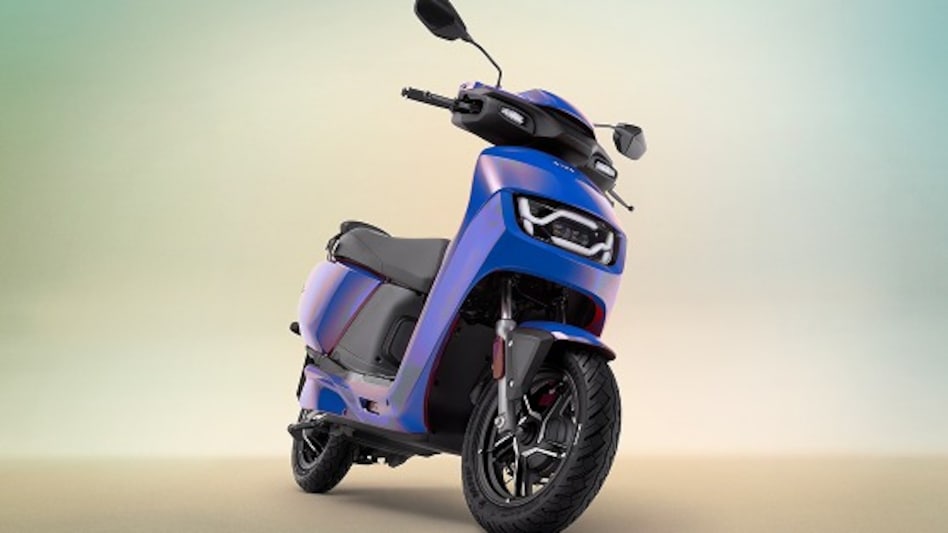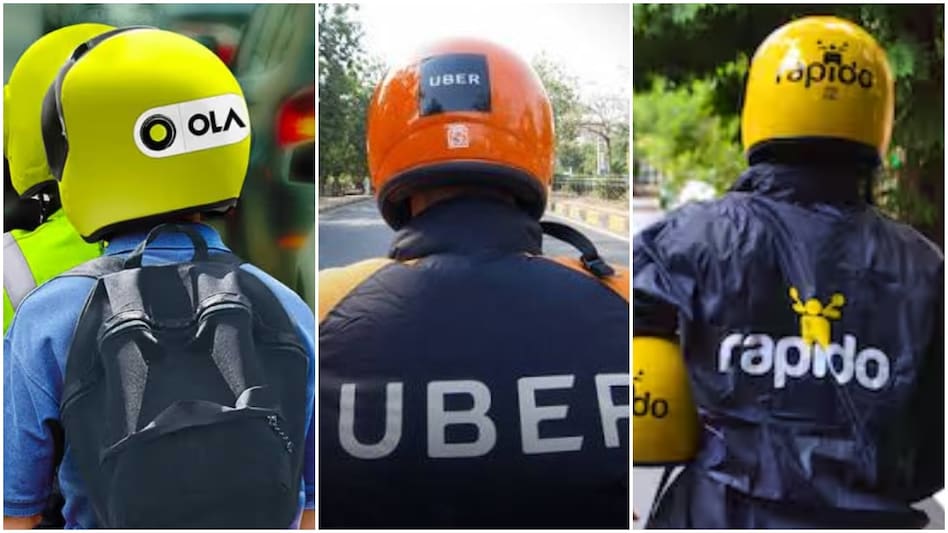
Important months are approaching for bike-taxi drivers in Maharashtra. Those working with platforms like Ola, Uber, and Rapido on gasoline motorcycles have not much time left. The state government has set a deadline for bike-taxi aggregators to switch their fleet from gasoline to electric.
Most operators have been given six months to transition to electric power, although some license holders will be granted an additional three-month extension.
The Maharashtra Transport Department sent a letter to bike-taxi aggregators and the Regional Transport Office (RTO) in October. This step was taken under the directive of Chief Minister Devendra Fadnavis. According to the government's decision, bike-taxi services in Maharashtra must transition to a fully electric fleet within the stipulated timeframe, meaning a gradual replacement of gasoline motorcycles with electric vehicles.
The initial phase for operators currently using gasoline bike-taxis is six months. During this period, they must make progress toward meeting the requirement for mandatory use of electric vehicles. However, operators with temporary or provisional licenses have been granted an additional three-month extension according to the Maharashtra Bike-Taxi Rules 2025, which could extend the total period to nine months.
Bike-taxi aggregators such as Ola, Uber, and Rapido initially requested more time for this transformation. The companies asked the government for an extension until 2030, arguing that full fleet electrification would take time. They cited the Maharashtra Electric Vehicle Policy and the complexities associated with large-scale transport replacement. Nevertheless, the government established the current deadlines instead of the deferral until 2030.
Not only companies but also the bike-taxi drivers themselves have expressed concern over these changes. In September, the Maharashtra Bike-Taxi Welfare Association sent a letter to Chief Minister Devendra Fadnavis and other officials requesting 1.5 years for the changes. According to the association's president, Amit Gaude, most bike-taxi drivers belong to middle or lower-middle-class families, and the sudden need to purchase an electric motorcycle requires significant investment for them. Drivers also voiced concerns about the lack of charging infrastructure and the lifespan of electric vehicle batteries; for them, the issue is not just about replacing the motorcycle but also about operating costs and charging availability.
The Maharashtra government initially considered a 50:50 model, suggesting a mix of gasoline and electric motorcycles. This model would have allowed companies to keep both gasoline and electric motorcycles in their fleet. However, according to Transport Minister Pratap Sarnaik, the cabinet did not approve this model because the government feared that high costs might cause companies to delay purchasing electric transport.