MISA demands reduction in fuel levy amid rising petrol prices above 30 rand mark
Read more
IOL
iol.co.za

MISA demands reduction in fuel levy amid rising petrol prices above 30 rand mark

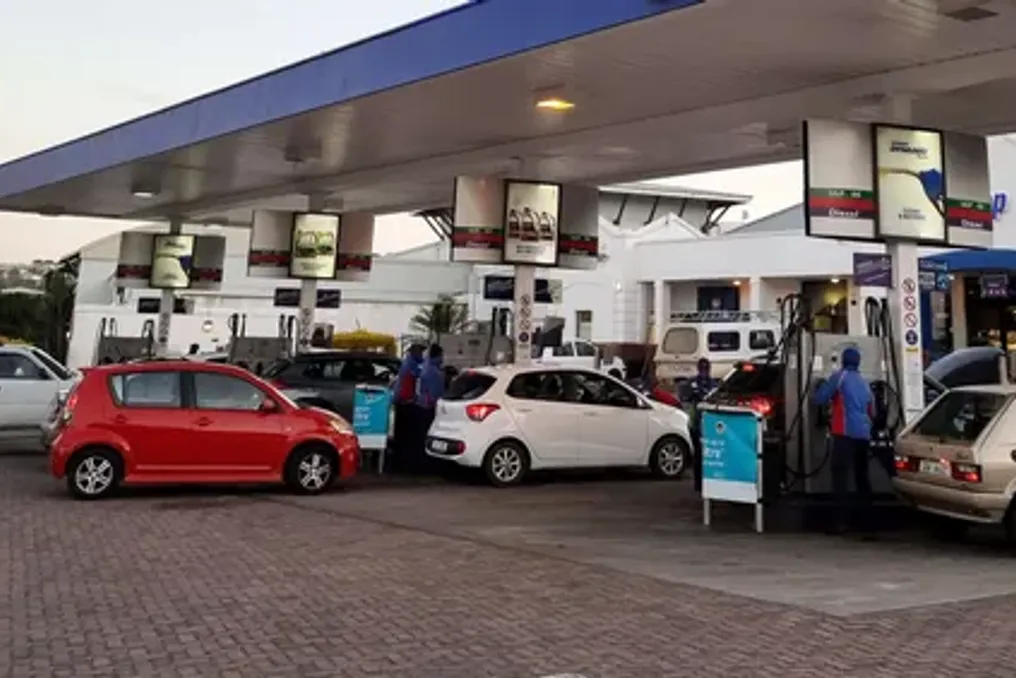
The Motor Industry Staff Association (MISA) is strongly urging the government to immediately reinstate the temporary reduction in the fuel levy, as petrol prices have exceeded the 30 rand per litre threshold, warning that rising transport costs are increasing pressure on households already facing financial difficulties.

This appeal came against the backdrop of the latest fuel price increases taking effect on Wednesday, October 7th. As a result, unleaded 95 petrol reached 30.25 rand per litre in coastal areas and 29.38 rand on the coast. The price of unleaded 93 petrol available in inland regions rose to 29.88 rand.

Diesel fuel prices are also reaching record highs: 50 ppm diesel increased by 3.24 rand per litre, and 500 ppm by 2.84 rand. At wholesale level, 50 ppm diesel will cost 32.80 rand in Gauteng before retail markup.

The recent price hikes are linked to sharp increases in international oil prices, largely driven by escalating tensions in the Middle East. MISA notes that this will have a particularly severe impact on workers who are already struggling to cover basic family living expenses.

MISA's Demands for Mitigation

MISA insists on a temporary reduction of the General Fuel Levy for both petrol and diesel by at least 3 rand per litre while international oil prices remain high. Furthermore, the association calls for targeted assistance for households using kerosene lamps and an urgent discussion of the structure of levies and markups within the National Economic Development and Labour Council (NEDLAC).

The association reminds that the government previously provided temporary fuel relief in April after organized trade unions secured intervention through NEDLAC. During that period, the General Fuel Levy was reduced by 3 rand per litre for petrol, and the diesel levy was set to zero. However, this relief has expired, and the current General Fuel Levy stands at 4.10 rand per litre for petrol and 3.93 rand for diesel.

Minister of Mineral Resources and Energy, Gweed Mantshe, had previously stated there were no immediate plans for further intervention, citing the volatility of petroleum product prices. Nevertheless, his department is reviewing the fuel pricing structure, which is due to be completed in March 2027.

Risk of Fuel Shock for Transport Costs

The latest price increase does not only affect motorists. South Africa's minivan taxi industry is already feeling pressure from higher operational costs related to fuel and other expenses. The South African National Taxi Council (SANTACO) reported this week that it is too early to talk about a potential fare increase, as the final decision rests with individual taxi associations following consultations with passengers.

SANTACO clarified that taxi associations have implemented only one fare increase since the start of the fuel price rise in March, while operators face increased costs for maintenance, administrative needs, and other business expenses. Previously, IOL reported that taxi passengers have already faced an increase of approximately 3–6 rand on some urban routes and 10–30 rand on some intercity trips this year.

The impact extends to the freight sector, where diesel fuel accounts for 35% to 55% of operating costs for road transport companies.

MISA emphasized that workers were already under severe financial strain before the latest fuel price hike. The association cited data from the Pietermaritzburg Economic Justice and Dignity Group, which showed that transport and electricity consumed 65.8% of the minimum wage even before accounting for food expenses. MISA stated that workers are 'crushed between fuel, electricity, and food expenses.'

The association urged the government to act before the latest fuel shock places additional strain on household budgets and transport costs. MISA also insists on providing assistance to kerosene-dependent households who were excluded from the mitigation measures introduced in April. Keyter added that 'the government has already proven that fuel relief is possible, and the conditions that justified it in April are even worse today.'
Similar stories

Du Pay is transitioning to a subscription model for its money transfer services
Read more
www.khaleejtimes.com

Du Pay is transitioning to a subscription model for its money transfer services

The CEO of Du Pay announced that the service will soon launch a subscription model, transforming from a pure money transfer service into a fintech product focused on lifestyle engagement.

Roberto Mancone, CEO of Du Pay, which is the digital payments division of the telecommunications company du, reported the company's shift from a fintech transfer model to a fintech lifestyle engagement model.

According to Mancone, a low-cost subscription model is planned for Du Pay users. This model will provide benefits to users even when a money transfer is not being made.

The CEO noted: 'We are trying to launch some kind of subscription model; we are trying to apply a minimal cost. Even if they do not send money, we at least try to provide bonuses in the form of cashback if they use the card, if they buy telecom company products, some transfers are free, some discounts on SIM cards.'

He added that such benefits help win customer loyalty, and this practice is widely used among other telecommunications service providers.

Skoda Slavia Facelift Launched: New Model Features 8-Gear Automatic and Updated Features, Starting Price Remains the Same
Read more
www.aajtak.in

Skoda Slavia Facelift Launched: New Model Features 8-Gear Automatic and Updated Features, Starting Price Remains the Same

After a long wait, Skoda has launched the new facelift model of its sedan, the Skoda Slavia, in the Indian market. This new Slavia presents a better option for customers during the festive season. The starting price of this new Slavia Facelift has been set at ₹10 lakh. It is noteworthy that this is the first major mid-life update the Slavia has received since its launch in 2022.

The new model features some design changes and a partially upgraded cabin, along with an expanded list of features. The company has also introduced a new automatic gearbox with a 1.0-liter engine. In the market, this car will face competition from vehicles like the Volkswagen Virtus, Honda City, and Hyundai Verna.

The main highlight of this facelift launch is that despite providing major updates, the company has not made any significant changes to its pricing; the starting price of the base variant remains ₹10 lakh, just like the old model. However, the top variant is ₹64,000 more expensive than the previous model, as the company has included several new features and design improvements along with the price hike.

The overall design and body shape of the new Slavia retains its original look, but due to minor modifications, the car now appears faster and sportier than before. The front features a redesigned LED headlight setup, which includes segmented Daytime Running Lights (DRLs). A segmented chrome strip is placed on the grille, and it also comes with new LED fog lamps and a sporty new bumper.

The side profile features a new design for the 16-inch alloy wheels, and the sharp body lines on both sides of the car give it a premium look. There is a chrome finish on the window line. At the rear, there are new LED taillights with sequential turn indicators. Skoda's branding has also been updated, and the rear bumper has a new look.

The new Slavia Facelift is offered with new color options such as Arctic Silver and Cappuccino Beige. The Monte Carlo edition comes with blacked-out exterior elements, black badges, and alloy wheels to give it a sportier look. This special edition also features a red accent on the grille, a distinctive Monte Carlo badge, and dual-tone color options.

The Skoda Slavia is equipped with a 1.0-liter turbo-petrol engine producing 115hp power and 178Nm torque, similar to the previous version. The other option is a 1.5-liter direct-injection turbo-petrol engine with 150hp and 250Nm. The 1.0-liter engine comes with a 6-speed manual gearbox, while the 1.5-liter engine is offered with a 7-speed DCT gearbox.

The most significant change is in the automatic version of the 1.0-liter engine; it now features a new 8-speed torque converter automatic gearbox instead of the old 6-speed automatic.

The interior of the Slavia Facelift has been kept similar to the old model. The standard version features a beige and black theme with copper inserts, while the Monte Carlo edition has an all-black cabin with red inserts and special red graphics on the screen. The leatherette seats in the standard model now have a mono-tone finish, which differs from the dual-tone finish of the old model.

The Monte Carlo edition features black leatherette seats with red contrast stitching. The car retains older design elements such as a two-spoke steering wheel, recessed space on the dashboard, circular air vents, and touch-based HVAC controls.

Skoda has upgraded several features in the new Slavia. The car now has a large 10.1-inch infotainment system with Google AI Assistant. Additionally, a new 10.25-inch digital driver display is provided, which users can set up with various screen configurations according to their needs.

The new Slavia also includes a segment-first rear seat massage function. A 360-degree camera is another major new feature. It is equipped with a new variable-geometry compressor to improve AC performance.

Features like a single-pane sunroof, wireless Android Auto and Apple CarPlay, wireless phone charger, powered and ventilated front seats, and an 8-speaker audio system remain available as before.

In summary, the Skoda Slavia Facelift has focused on aspects that will make a difference to customers in daily use rather than major design changes. The new look, enhanced features, improved AC, and the new 8-speed automatic gearbox make it a strong package. However, the absence of ADAS might put it slightly behind competitors like the Volkswagen Virtus, Honda City, and Hyundai Verna.

Pardayev stated that Russia is one of Uzbekistan's key trade and economic partners
Read more
sputniknews.uz

Pardayev stated that Russia is one of Uzbekistan's key trade and economic partners

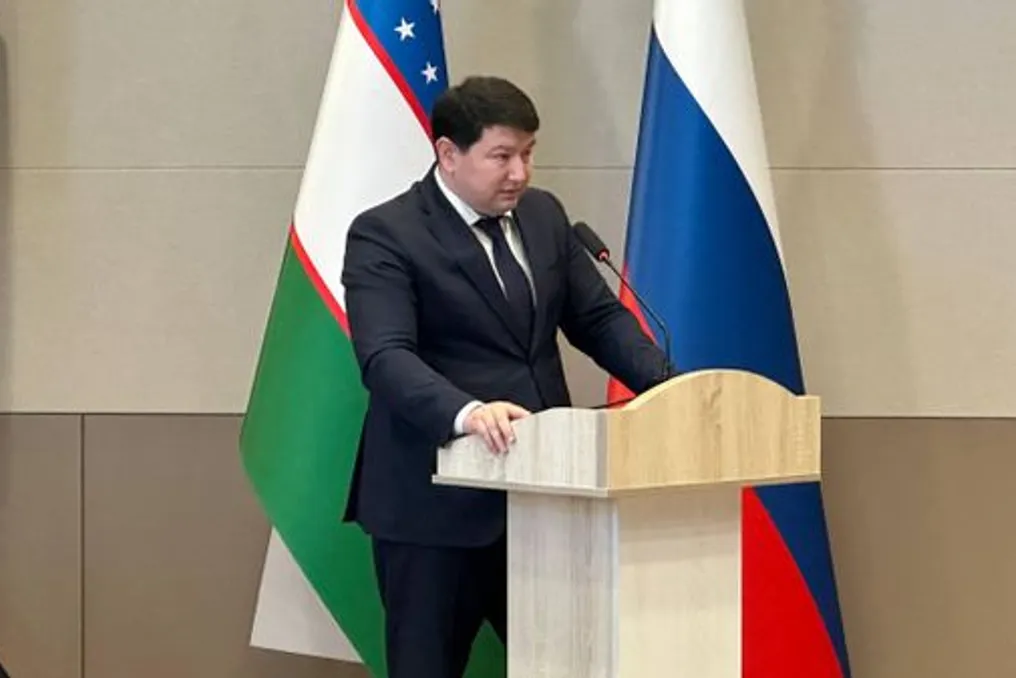
Ilhomjon Pardayev, Deputy Director of the Agency for Industrial Cooperation and Public Procurement, reported that Russia is one of Uzbekistan's main trade and economic partners. This information was shared during the III meeting of the Council on Regions of Uzbekistan and Russia.

According to Pardayev, by the end of 2025, the volume of mutual trade will reach almost $13 billion. Furthermore, active development of investment cooperation is noted.

He emphasized that currently, over 3,400 enterprises with Russian capital are operating in Uzbekistan. This creates a solid foundation for further expansion of production ties between the two countries.

Pardayev also added that special attention is being paid to the development of industrial cooperation in Uzbekistan. He specified that their main task is to master the production of new goods, develop national suppliers, expand production links, and create sustainable supply chains, including cooperation with foreign partners.

Popular