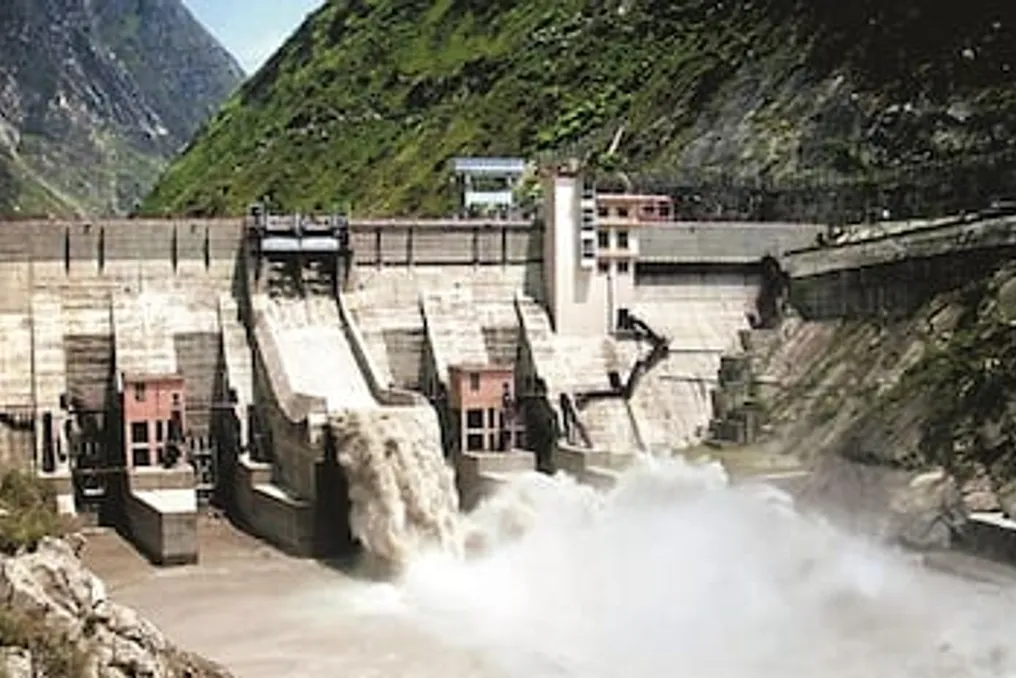
Adani Power and Druk sign agreement to build 770 MW hydroelectric power plant in Bhutan
Read more
Business Standard
business-standard.com

Adani Power and Druk sign agreement to build 770 MW hydroelectric power plant in Bhutan

Adani Power has signed an agreement with Bhutan's state energy company, Druk Green Power Corp Ltd (DGPC), to implement the 770 MW Chamkharchhu-I hydropower project in the Kingdom of Bhutan.

According to the statement, Adani Power and DGPC signed a Shareholders Agreement (SHA) to launch this project. This project is the second major collaboration between the partners following the signing of the Wangchhu Hydroelectric Project agreement, which has a capacity of 570 MW, in September 2025. Furthermore, it falls under a broader Memorandum of Understanding (MoU) for hydropower development worth 5000 MW, signed between Adani Group and DGPC in May 2025.

The signing ceremony took place in the presence of the Prime Minister of Bhutan, Lhendi Dasho Tshering Tobgay, and other high-ranking officials. This 'run-of-river' type project will be located on the Chamkarchhu River in the central district of Zhemgang, Bhutan. It will be implemented under a Build, Own, Operate and Transfer (BOOT) model with a 49:51 equity partnership between Adani Power and DGPC, providing a concession period of 30 years from the date of commercial operation (COD).

The project aims to strengthen Bhutan's clean energy potential and improve regional energy cooperation. Construction is expected to begin in the first half of 2027, with commissioning planned within six years of the start of work. Anil Sardana, Managing Director of Adani Power Ltd., noted that hydropower will play a key role in accelerating the energy transition of South Asia, and this project will contribute significantly to enhancing energy security, reducing carbon intensity, and advancing common sustainable development goals. It will also allow for the export of surplus green energy to India during the summer months, creating long-term value for both countries.

Dasho Chewang Rinzang, CEO of DGPC, added that the 770 MW Chamkarchhu-I project will help strengthen Bhutan's energy security, especially during the winter months, and will also open up opportunities for optimizing and exporting surplus clean energy to India.
Similar stories

Uzbekistan plans to increase hydropower capacity by 3.6 GW by 2032
Read more
uzdaily.uz

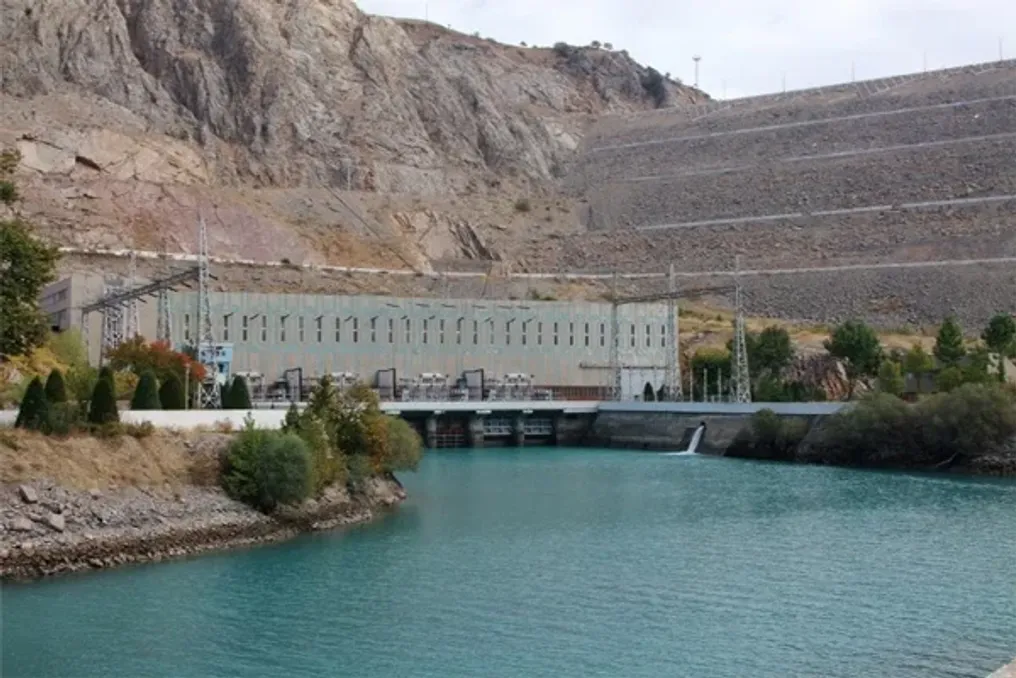
Uzbekistan plans to increase hydropower capacity by 3.6 GW by 2032

According to an article published in the newspaper Halk Suzi on September 20, 2026, Uzbekistan intends to implement 73 hydropower projects totaling $5.8 billion, which will add 3.6 gigawatts of new capacity by 2032. This new phase of hydropower development was approved by a presidential decree dated May 1 of this year.

Only in 2026 are 13 hydroelectric power plants expected to be commissioned, providing a power increase of 114 megawatts, an annual electricity generation of 537 million kilowatt-hours, and creating 254 jobs.

A separate part of the program focuses on the development of small and micro-hydroelectric power plants. A proposal for the construction of 2983 small and micro-hydroelectric power plants with a total capacity of 164 megawatts was presented, which was discussed at a presentation attended by the president.

Design and construction procedures for facilities up to 100 kilowatts are being simplified. Additionally, water management structures will be authorized to independently build small and micro-hydroelectric power plants for their own needs without holding auctions for installations up to 50 kilowatts.

Part of the program has already been completed. Before the 35th anniversary of Uzbekistan's Independence, the Chorbog wind power plant with a capacity of 20 megawatts was launched in the Bostanlyk district of Tashkent region, which is expected to generate 50 million kilowatt-hours of electricity annually.

The Rabat HPP with a capacity of 6.2 megawatts has been put into operation in Kashkadarya region, providing an average annual generation of 26.2 million kilowatt-hours. This is enough to supply about 11,000 households and will also allow for annual savings of 8 million cubic meters of natural gas and 6700 tons of coal.

The Zarchob-3A micro-HPP with a capacity of 0.5 megawatts has been launched in Sukhondarya region. Simultaneously, the construction of a cascade of hydroelectric power plants on the Kishtu River in the upper reaches of the Tupolang River is continuing. This project involves 42 small HPPs with a total capacity of 541 megawatts and a potential annual generation of about 1.9 billion kilowatt-hours.

In Namangan region, small HPPs Kugai-1 and Kugai-2 have been commissioned on the Bolshoy Andijan Canal with a total capacity of 18 megawatts. Their average annual output of 132.1 million kilowatt-hours will cover the needs of approximately 53,000 households and ensure annual savings of up to 40 million cubic meters of natural gas or 33,000 tons of coal.

According to Abdurakhmonov, localization of technologies is becoming a key condition for implementing the program. Uzbekistan has established the UzHydroPower factory, specializing in the production of hydro-turbines and technological equipment, and the first stage of the Naryn HPP cascade has already been implemented under the 'national project' model.

Popular