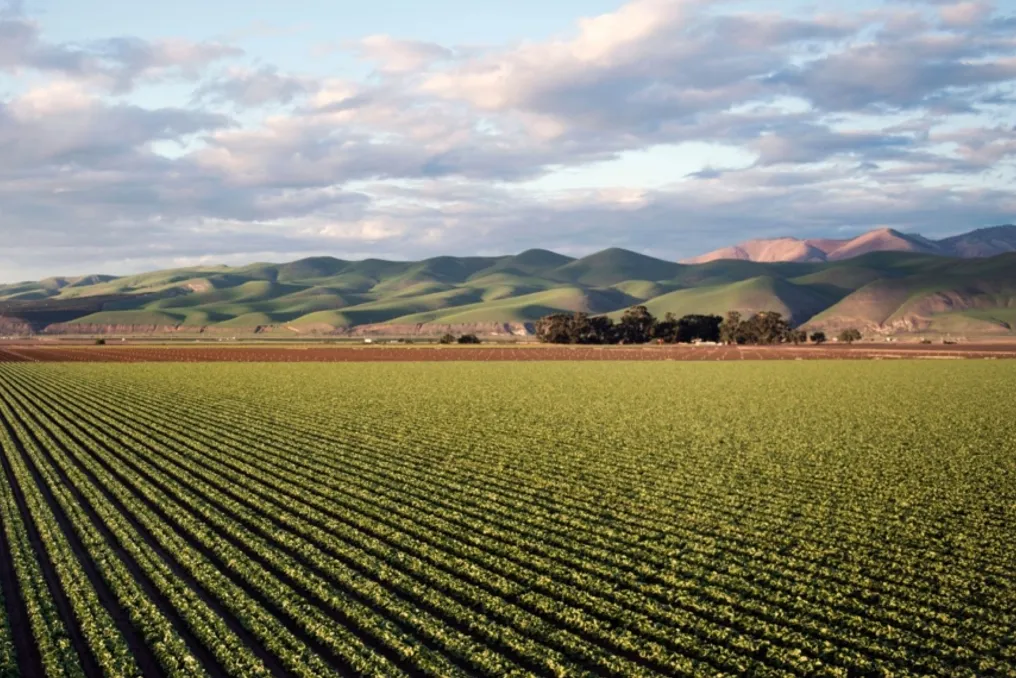
South Africa's agricultural sector is demonstrating rapid growth, achieving high export volumes of approximately 266.3 billion rand last year. According to recent agricultural reports, this figure includes exposure to foreign exchange (FX) fluctuations and contributes significantly to the trade surplus of about 124.7 billion rand.
Bianca Botess, Managing Director of Citadel Global and an expert in currency operations and rates, highlighted the presence of currency risks in agriculture. She noted that analyzing and understanding currency movements should be based not on the transaction date, but on how these movements interact with the production calendar.
Botess explained the difference between export crops and confirmed fertilizer orders, emphasizing the impact of cash flows. Experts propose various strategies for farmers to help them structure or hedge against currency risks.
She clarified that a confirmed fertilizer order differs fundamentally from an estimate of an export crop that has not yet been harvested or classified. Confidence in such cash flows should determine the amount of hedging and the selection of the appropriate instrument. The expert team has experience in assessing such risks and building an approach based on the farmer's timeline, risk appetite, and business objectives.
Furthermore, Botess mentioned a strategy they use for managing currency risks: combining trades, forward contracts, and ensuring balance, confidence, flexibility, and participation. This approach involves not only focusing on the total exposure simultaneously but also managing risks arising at the production, sales, and other procurement stages.
Botess added that their goal is to analyze and understand currency risk in business and find ways to properly protect cash flow, rather than trying to predict the strength of the rand in the process. However, she also clarified the process of matching cash flows instead of simply converting currency and what farmers need to know to ensure proper management of these flows.
Botess gave an example: if a producer receives euros from export sales but has input costs denominated in euros, there is an opportunity to more purposefully match these flows instead of arbitrarily converting the currency. This is where hedging through Corporate Foreign Currency accounts (CFC) can provide real benefit.
She explained that by assessing the timing, currency, and degree of certainty of each cash flow, it is possible to help structure how currencies are preserved, cross, or hedged within CFC accounts, continuing to apply appropriate instruments where natural offsetting is insufficient.
The expert also described the concept of a budget rate—the rate against which the season was planned—and the functioning of markets against this budget rate. Botess emphasized that the budget rate serves as a benchmark for seasonal planning. If the market moves favorably relative to this rate, it may be worthwhile to increase confidence in known or highly probable exposures. The main task is risk management, not trying to guess the peak or trough of the currency market.
In conclusion, Botess stressed the importance of having an FX policy that helps farmers manage and structure risks related to currency and cash flows. She stated that currency volatility cannot be eliminated from agriculture, but it can be managed in a more structured way, providing commercial farmers with greater certainty regarding raw material costs, export revenues, and ultimately, the margin upon which their business depends.