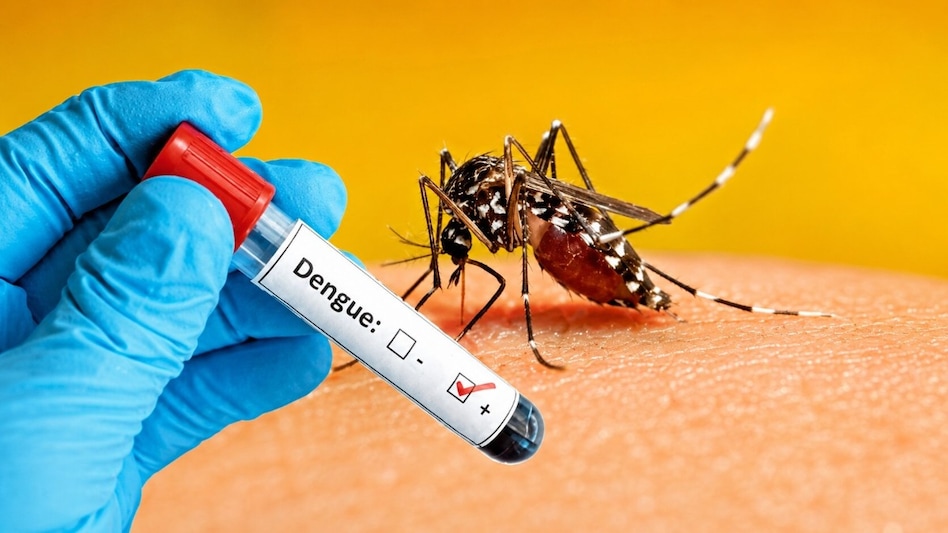
In several states, including Delhi-NCR, there is an increase in the number of dengue cases. The greatest danger in dengue is the decrease in platelet levels. Questions arise as to whether low platelet count is a sign of danger, why it decreases, and if there are ways to increase it.
Professor of Higher Category Dr. L.H. Goteker from the Department of Medicine at Lady Harding Medical College and Associated Hospitals in Delhi spoke to Aajtak.in about this issue. He emphasized that not all dengue patients experience a decrease in platelet levels; in most cases, the illness passes within a few days without serious complications.
After the dengue virus enters the body, it affects the platelets in the blood. Furthermore, inflammation in the body and immune system activity can contribute to a rapid decrease in the number of platelets. There is also a temporary impact on the process of blood cell formation in the bone marrow, where they are produced, which leads to a decrease in platelet levels.
Nevertheless, a decrease in platelet levels itself does not mean that the patient's condition is dangerous; the patient's overall symptoms must be assessed.
Dr. Goteker noted that there is no special medicine that can instantly increase the number of platelets. As the body overcomes the infection, platelets begin to recover gradually. Therefore, ensuring adequate fluid intake and rest under a doctor's supervision is more important.
It should also be noted that folk remedies, such as papaya juice, goat milk, or kiwi, are not considered guaranteed treatments for increasing platelets, as there is no scientific evidence of their effectiveness.
The decision on whether to administer platelets is made by the doctor based on the patient's symptoms. Generally, doctors recommend platelet transfusion if the patient has active bleeding or if the platelet level continues to fall steadily. However, the final decision is made after a thorough examination of the patient's general condition, platelet count, presence of bleeding, and results of other blood tests.