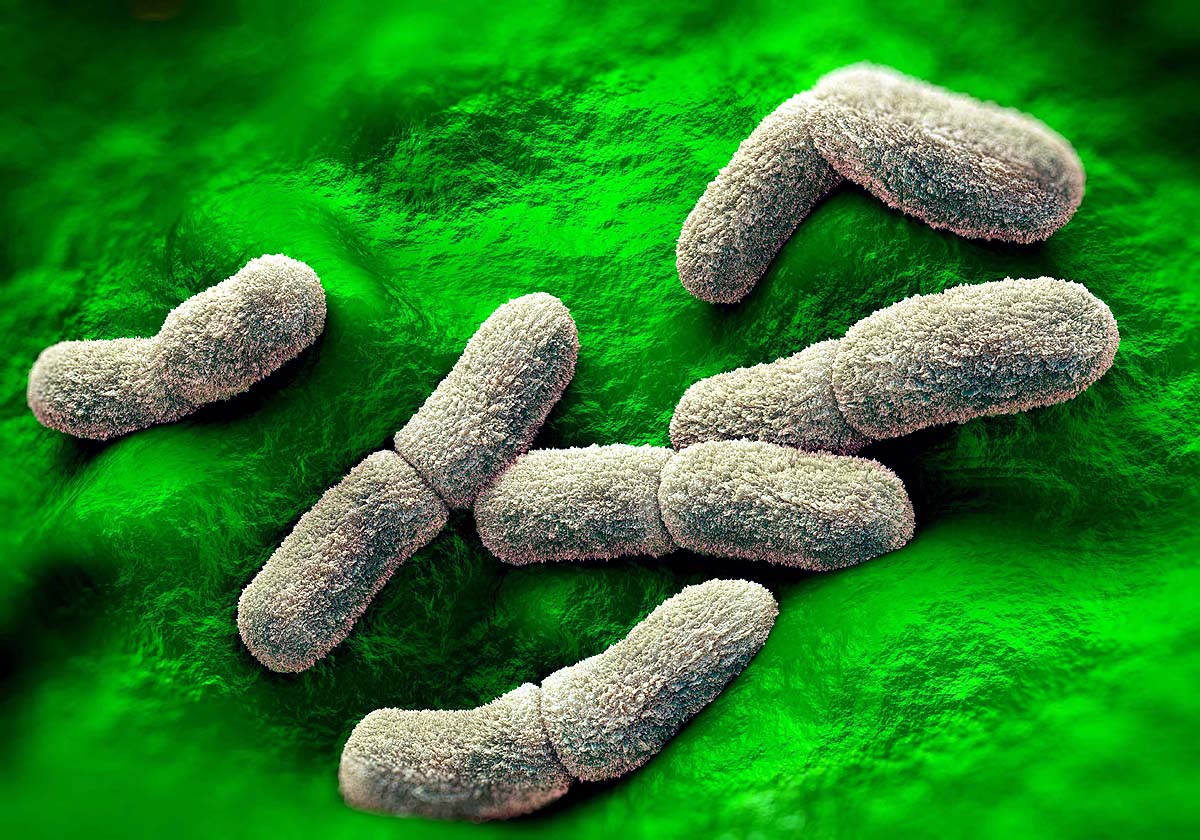
There are many bacteria capable of causing serious diseases in humans. Some of them are transmitted through contaminated water and food, while others spread through airborne droplets or close contact with an infected person. The World Health Organization (WHO) has expressed concern about several such bacteria that can cause severe illnesses or show increasing resistance to drugs.
The impact of these bacteria is uneven: some are most common in Africa, others in South Asia, and a third are found in many parts of the world. Cases of infection by many of these ten bacteria are also recorded in India. Below is an overview of which bacterium causes which disease, where it is most prevalent globally, and its situation in India.
Cholera is caused by Vibrio cholerae and is transmitted through contaminated water and food. Without treatment, this can lead to fatal dehydration and severe diarrhea. In 2025, the highest number of cholera cases was registered in the WHO's African and Eastern Mediterranean regions. The most affected countries were Yemen, South Sudan, Sudan, Democratic Republic of Congo, Angola, Nigeria, and Bangladesh. Vibrio cholerae is also found in India; within NCDC surveillance in 2024, this bacterium was detected in stool samples.
Plague is caused by Yersinia pestis. It is usually transmitted to humans through infected fleas and small mammals. The pneumonic form can spread through airborne droplets from an infected person. Today, most cases of plague are in Africa. Most cases reported to the WHO between 2019 and 2025 were recorded in the Democratic Republic of Congo and Madagascar. Although plague cases in India are rare, they have not completely disappeared; in 2002, the WHO recorded 16 cases of Yersinia pestis in the Shimla district of Himachal Pradesh state.
Bacterial dysentery is caused by Shigella dysenteriae. It is transmitted through contaminated water, food, and contact with an infected person. A high burden of shigella-related diseases is observed in sub-Saharan Africa and South Asia, especially among young children. Shigella is a cause of infections and outbreaks in India. The bacterium Shigella dysenteriae is also included in the ICMR bacteriological surveillance program. During NCDC surveillance in 2024, isolates of shigella were registered.
Typhoid fever is caused by Salmonella Typhi. It is transmitted through contaminated water and food. The risk of developing typhoid is particularly high in areas of South Asia and sub-Saharan Africa where clean water and sanitary conditions are insufficient. Typhoid cases are constantly registered in India. Within NCDC surveillance in 2024, isolates of Salmonella Typhi and paratyphoid were identified.
Whooping cough is caused by Bordetella pertussis. It is transmitted via droplets expelled when coughing and sneezing and can be particularly dangerous for young children. This bacterium is found in various countries around the world. In 2025, over 264 thousand cases of whooping cough were registered worldwide. According to WHO vaccination data in India, 2149 cases of whooping cough were recorded in India in 2025.
Tuberculosis is caused by Mycobacterium tuberculosis. It primarily affects the lungs and is transmitted through the air. Tuberculosis is present on all continents, but in 2024, the highest number of new cases was recorded in the Southeast Asian region. India alone accounted for approximately 25 percent of all new global tuberculosis cases. India is one of the countries most severely affected by this disease. In 2024, India's share of total new tuberculosis cases was about 25 percent.
Neisseria meningitidis can cause meningococcal meningitis and severe blood infection. The highest burden of this disease falls on the meningitis belt in Africa, which stretches from Senegal to Ethiopia. In 2025, 24 countries in this region reported 21,526 suspected cases and 971 deaths. Cases of meningitis caused by Neisseria meningitidis have also been reported in India. Indian studies have included this bacterium as a cause of bacterial meningitis.
Klebsiella pneumoniae can cause pneumonia, urinary tract infections, sepsis, and meningitis. Its drug-resistant forms are of particular concern. Its drug-resistant form has been found in all six WHO regions, including India. The presence of hypervirulent Klebsiella pneumoniae has been recorded in 16 countries, including India. In India, this bacterium is an important hospital-associated pathogen linked to severe infections. During NCDC surveillance in 2024, a large number of Klebsiella species were registered.
Pneumonia is caused by Streptococcus pneumoniae. It can lead to pneumonia, meningitis, and severe blood infections. It is one of the main causes of severe pneumonia. It is found worldwide. The burden of bacterial meningitis is related to...