National Commission on Women Proposes Gender-Neutral Parental Leave and Shared Parenting
Read more
The times of India
timesofindia.indiatimes.com

National Commission on Women Proposes Gender-Neutral Parental Leave and Shared Parenting

The National Commission on Women (NCW) has put forward several recommendations to the government regarding maternity and childcare laws. The Commission emphasized that 'motherhood should not become a career obstacle' and called for measures to prevent discrimination in hiring women related to maternity leave.

In its report, which contains 37 suggestions, the NCW also insists on transitioning to shared parenting. This implies transforming the existing childcare legislation, which is oriented towards women, into a gender-neutral parental leave available to both parents.

The Commission advocates for extending 'gender-neutral' parental leave to the private sector, introducing mandatory paid paternity leave, and expanding the right to parental leave to include a third child through a phased model. Furthermore, the urgent need to create 500,000 nurseries by 2030 was noted.

It was recommended to ensure maternity protection for women working outside the formal sector and to extend maternity and childcare benefits to workers in the informal, gig, and platform sectors, as over 90% of working women remain outside effective coverage.

NCW submitted its recommendations to the Ministries of Personnel and Training (DoPT), as well as the Ministries of Women and Child Development and Labour and Employment. The main focus is on strengthening the system of motherhood and childcare in India through shared parenthood, universal maternity protection, and creating family-friendly workplaces.

Additionally, it was proposed to achieve equality in maternity benefits for biological, adoptive, and surrogate mothers, including increasing the duration of leave for adoptive and surrogate mothers from 12 to 26 weeks. It was also recommended to amend Section 60(4) of the Social Security Code 2020 in light of the Supreme Court's ruling concerning adopters, promoting a child-centered care approach rather than one based solely on biological motherhood.

NCW suggested dividing the existing 730-day parental leave structure equally between both working parents—365 days each—or creating a common fund that both parents working in the same organization can use. For children aged 0 to 2 years, a shared care model ratio of 60:40 between primary and secondary caregivers is proposed.

The commission also proposed extending parental leave for private sector employees through a phased implementation model, starting with large industries and then covering small and medium enterprises.

Similar stories

National Commission for Women Issues Recommendations to Strengthen Oversight of Digital Transport Services
Read more
timesofindia.indiatimes.com

National Commission for Women Issues Recommendations to Strengthen Oversight of Digital Transport Services

The National Commission for Women (NCW) has issued a series of recommendations for states and territories aimed at enhancing the safety of female passengers using ride-hailing apps and digital transport services. These measures were adopted in light of growing safety concerns reported across various regions.

The Commission insists on the necessity of conducting appropriate criminal background checks, as well as police and biographical screenings of drivers before they begin working. Furthermore, it mandates monitoring of drivers operating during nighttime hours and equipping every vehicle with an SOS button to send alerts to a control center.

NCW notes that since services such as taxis, auto-rickshaws, bike-taxis, and other app-based services have become an integral part of daily mobility, especially for women traveling alone, ensuring safety throughout the entire journey has become paramount.

Existing incidents related to driver or vehicle identity mismatches, route deviations, inappropriate behavior, stalking, unsafe drop-off points, delayed emergency response, and insufficient complaint resolution underscore the need for a coordinated and accountable safety system.

The guidelines released in this context also take into account recommendations from the J. S. Verma Committee Report of 2013, as well as the regulatory framework established by the 2025 Guidelines for Transport Aggregators issued by the Ministry of Road Transport and Highways.

The Chairperson of NCW, Vidya Rakhatkar, has sent letters to the chief secretaries of all states and territories requesting them to take appropriate measures to implement these recommendations.

Focusing on driver and vehicle vetting, the guidelines require aggregators to ensure that the driver and vehicle assigned to a passenger match the data displayed in the application. It is asserted that 'Any unauthorized change in driver or vehicle must be duly noted in the application and treated as a safety issue.' The guidelines also call for the creation of mechanisms to receive real-time alerts regarding any route deviations or suspicious stops.

Additionally, in cases of identity mismatch, there is provision for trip cancellation without penalty. A requirement is also established for aggregators to strive to maintain a vetted pool of female drivers, providing women traveling alone the option to request a female driver through the app.

Strengthening requirements for the screening and monitoring of drivers working at night, the guidelines define measures ranging from mandatory photo verification of the driver at the start of the trip and combating driver intoxication, enhanced monitoring by the control center, to providing a safe drop-off option at the end of the journey.

The guidelines state: 'Aggregators may create a special and time-bound mechanism for resolving complaints concerning driver misconduct, stalking, assault, route deviation, unauthorized substitution of driver or vehicle, and failure of emergency response mechanisms.'

Tehran held training program for participants of the Jan Fad initiative
Read more
www.tehrantimes.com

Tehran held training program for participants of the Jan Fad initiative

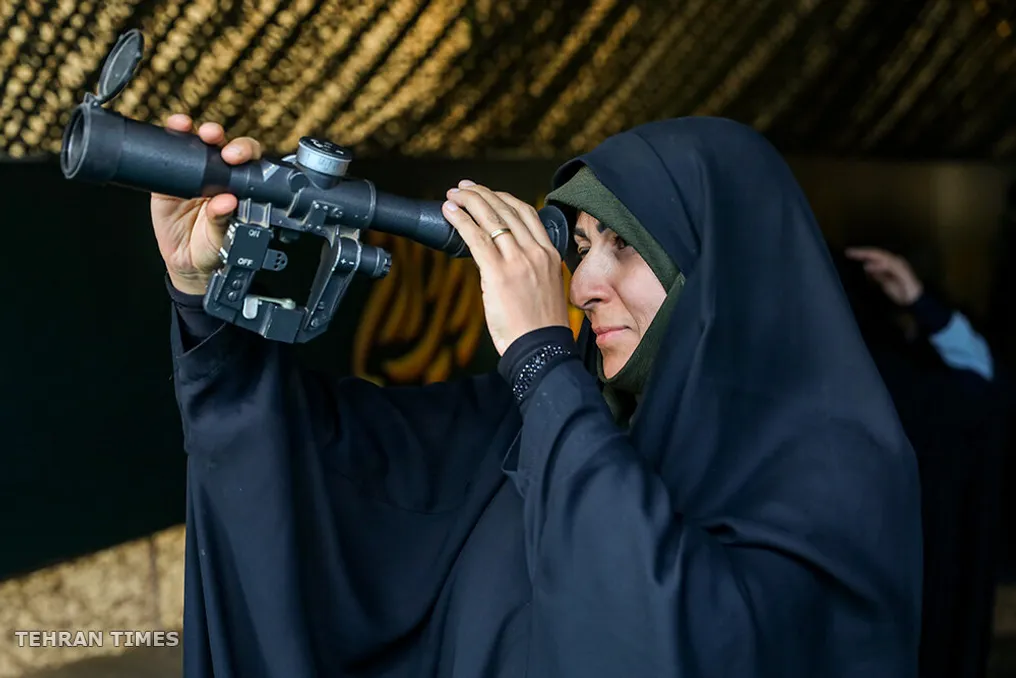
A series of training sessions was held in Tehran for a group of participants in the Jan Fad program, which is an Iranian initiative dedicated to selfless volunteers. The training sessions took place at the training center on Imam Hussein Square in Tehran.

Popular