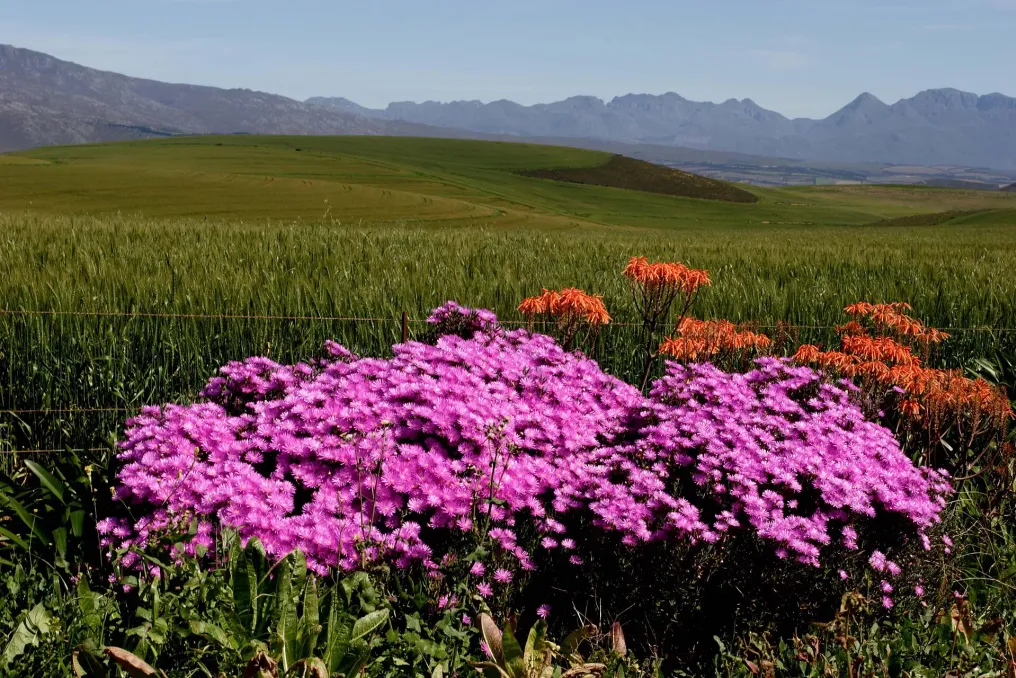
Staying in the Overberg region does not have to be limited to wine tasting and long lunches. The Haarwegskloof Renosterveld Reserve offers a different type of recreation where one can cook over an open fire, study birds, photograph the Black Kite, or keep nature journals.
The Wild & Wise series of retreats will resume throughout 2026. These events attract experts in nature conservation, photography, culinary arts, and wellness to conduct short practical weekends focused on both learning and relaxation.
Several such events are planned for this year. From October 9th to 11th, chefs Lizaan van Reenen and Eri-kah van Breda will host a retreat on cooking with fynbos and wild edibles. During this weekend, participants will learn about edible plants such as waterblommetjies, dune spinach, and sour figs, using traditional open-fire cooking methods.
The event helps to understand what grows in the area, what is edible, and how local ingredients were used, moving beyond a simple walk through the fields.
From October 23rd to 25th, Dr. Alan Lee, Manager of Science and Innovation Programs at BirdLife South Africa, will lead a weekend dedicated to fynbos birds and several important South African bird species. The retreat includes practical birdwatching, an introduction to citizen science, SABAP2 and Coordinated Bird Counts on Roads, as well as the use of the BirdLasser app.
The Haarwegskloof Reserve serves as a suitable educational site because it is home to species such as the Black Kite and the Denham's Bustard, and the surrounding renosterveld provides a vital habitat for declining bird populations.
From November 6th to 8th, the focus shifts to wildlife photography, led by photographer Tinus van Staden, who organizes a retreat on photographing the Black Kite. This period is significant as the Black Kite has been named 'Bird of the Year' by BirdLife South Africa for 2026 and is endangered, with estimates from the Overberg Renosterveld Trust suggesting fewer than 1300 individuals remain.
The retreat allows participants to engage in wildlife photography while learning more about one of the species closely associated with the renosterveld. Since Black Kites travel significant distances while foraging, the surrounding environment is crucial to understanding the bird itself.
From November 13th to 15th, the attention turns inward with a weekend dedicated to hiking, yoga, Pilates, and stretching, led by Li-En Low. This is a gentler way to experience Haarwegskloof, where movement takes place outdoors rather than in a traditional studio.
Subsequently, from November 20th to 22nd, the focus is on nature journaling. Ria Kotze will introduce participants to combining bird observation with recording and journaling, including methods for logging sightings and identifying birds by their calls and shape. It is emphasized that being an artist is not necessary to participate; curiosity and attentiveness are what matter.
The final scheduled retreat for 2026 will take place from November 27th to 29th and returns to the theme of food in a weekend format with Asian-inspired wild edibles, led by Eri-kah van Breda. He will explore local ingredients, traditional knowledge, and creative approaches to incorporating wild edibles into modern cuisine, considering the sustainability of harvesting and growing these plants. This is presented as a fitting conclusion to the year's program.
Ultimately, Wild & Wise is not just ticking off another item on a list; it is an opportunity to know the place you are in. Haarwegskloof is home to rare, threatened plants and birds, and a landscape that is becoming increasingly fragmented in other parts of Overberg. The reserve offers a chance to spend several days in this landscape, having enough space to learn something new and enough quiet to absorb it.
You can come for the culinary experiences, the birds, the photography, or simply for the promise of a few days of rest. However, the true value lies in the landscape itself. After the weekend in Haarwegskloof, you can begin to view Overberg differently, noticing what grows by the roadside, listening more attentively to the birds, and understanding why these remaining patches of renosterveld deserve protection.