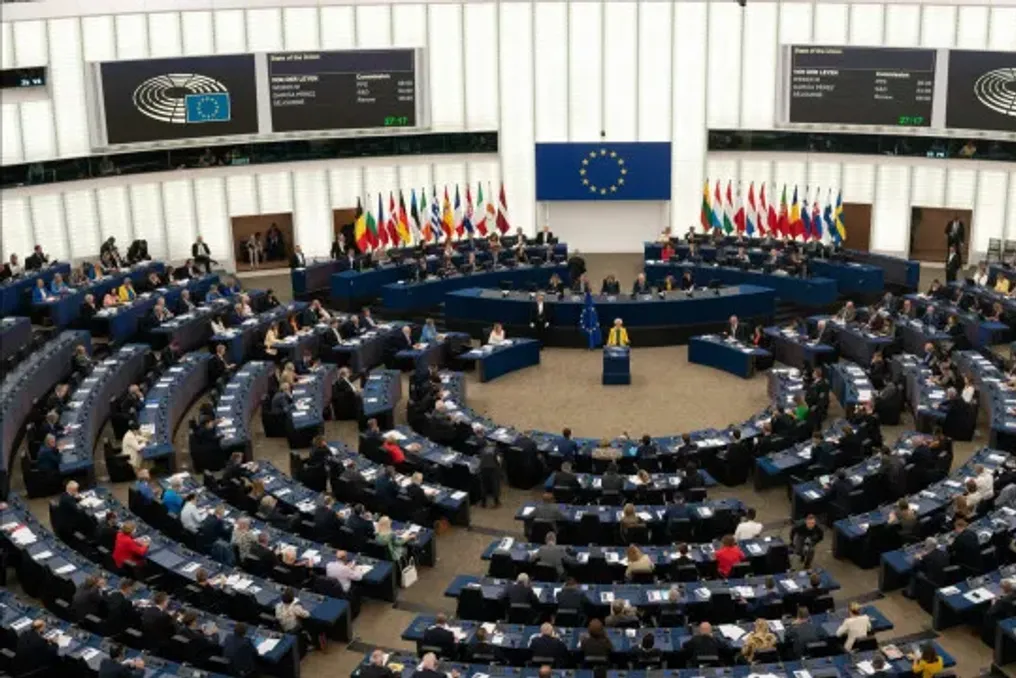
A study conducted by the German platform Agora Digitale Transformation, led by researcher Benjamin Schulz, examined 200 domains known for hosting deepfake pornography. In analyzing the names of all Members of the European Parliament, 50 instances were found, 46 of which involved women, spanning seven out of the European Parliament's eight groups.
Among these 50 cases are materials directly available, links to nude photography apps, and indexed content from websites that have been removed by courts.
The document does not disclose the names of the affected MPs, but some, such as Lena Schilling from the German Green Party, have chosen to publicly share their experiences. Schilling stated at a press conference: 'I am so outraged that I have to talk about this. Imagine coming to work, opening your laptop, and finding your nude photos online—photos you never took. That is what happened to me and many other women. It is a terrible feeling.'
Another report by Agora Digitale Transformation also investigated the impact of deepfake pornography on members of national parliaments across Europe, identifying 147 cases, with 138 involving women.
Both the MEP study and the report point to the intimidating effect that the existence of such images can have on young women in public life. According to the human rights organization Hate Aid, about 22% of politicians consider resigning after experiencing digital violence.
Researchers note that sexualized deepfakes are not so much a new technological phenomenon as they are a new tool for an old problem: violence against women. They emphasize that the trends analyzed share the same misogynistic roots as offline harassment and bullying.
The researchers warn that while generative artificial intelligence did not create this phenomenon, it has made its production faster, cheaper, and significantly harder to detect. The report highlights that European legislation regarding 'deepfake pornography' is insufficient to protect victims because it only comes into effect after the damage has been done and depends on victims finding and reporting the content themselves.
Furthermore, it is noted that most legal requirements 'apply only to large online platforms, while most of the damage occurs on small and often offshore sites.' Victims and researchers are focusing on December 2nd—the deadline for platforms to adapt to the latest changes in the AI Act, which bans AI systems that generate material depicting child sexual abuse or create content showing intimate parts of an identifiable person or sexually explicit acts without consent. Schilling stressed: 'There can be no gaps or delays.'