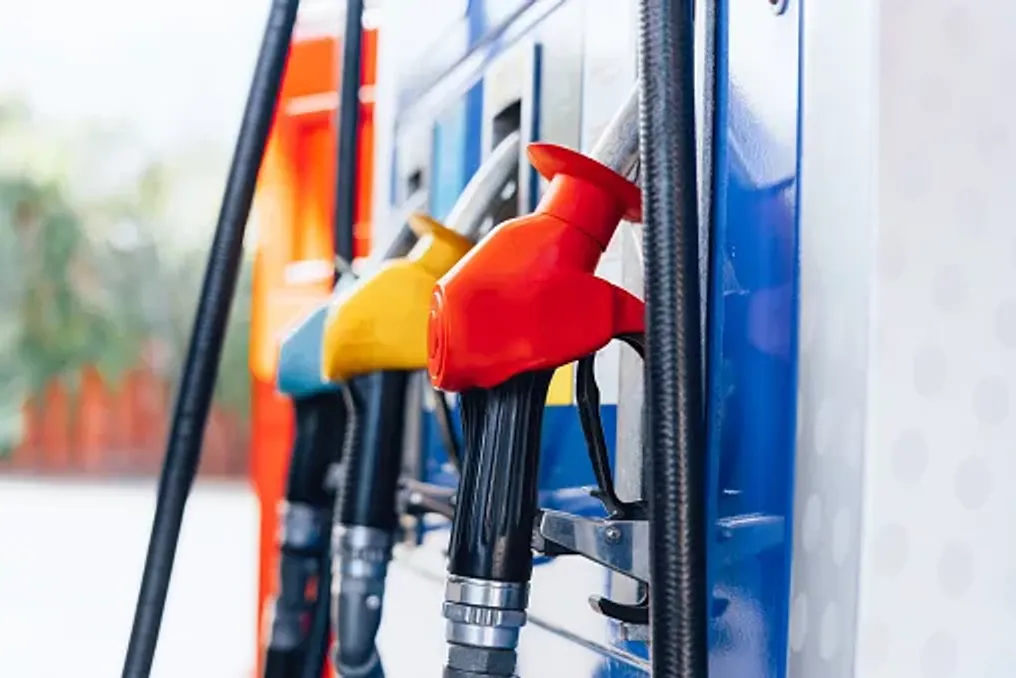
Drivers in South Africa are facing another sharp increase in fuel prices this week; in some cases, the rise in petrol and diesel prices is expected to be more than 3 rand per liter.
According to the latest data from the Central Energy Fund (CEF), published by IOL, the price increase for unleaded petrol 93 is projected at approximately 3.08 rand per liter, and for unleaded petrol 95—around 3.29 rand. Diesel fuel prices are expected to rise by 2.80 rand per liter for 500ppm and by 3.15 rand per liter for 50ppm.
These increases are scheduled to take effect on Wednesday, October 7th, although final prices may change depending on market conditions and potential government intervention.
Impact of Price Increases
If the projected increases are fully implemented, IOL reports that drivers will have to pay about 29.23 rand per liter for petrol 95 on the coast and 30.10 rand inland. The price of petrol 93 could rise to approximately 29.94 rand per liter in Gauteng.
Diesel fuel is also expected to reach new highs: 50ppm diesel could potentially exceed 34 rand per liter on the coast and 35 rand inland, including retail markup. This means that in some areas, drivers may pay over 30 rand per liter for petrol for the first time.
The increase is likely to affect people who use their cars for commuting, family trips, and holidays the most. IOL calculations show that a small car consuming about 5.5 liters of fuel per 100 km would cost approximately 1.65 rand per kilometer at the projected October petrol price. This is compared to approximately 1.11 rand per kilometer in March.
For a person driving 1500 km per month, the estimated fuel bill for a small car will increase from approximately 1666 rand in March to 2470 rand in October. Drivers of larger vehicles will face an even greater increase in costs. A compact SUV consuming about eight liters per 100 km might require around 3593 rand to refuel for 1500 km at the projected October prices.
Causes and Previous Changes
The last increase followed several months of significant volatility in South African fuel prices. International oil prices remain high due to ongoing conflicts and tensions in the Middle East, while concerns over crude oil supply disruptions and shipping contribute to rising prices.
The Strait of Hormuz poses a particular concern for global energy markets due to its importance for international oil supplies. South African drivers have already experienced significant price hikes this year. According to IOL, petrol 95 increased by 6.58 rand between March and September, and wholesale diesel prices rose by more than 10 rand over the same period.
Outlook and Government Reaction
Immediate relief prospects appear limited. The government temporarily reduced the General Fuel Levy by at least 3 rand per liter for two months in April, which helped cushion the blow from rising international oil prices. However, Minister of Minerals and Energy Gweed Mantshe stated last month that there are currently no plans for similar intervention.
Therefore, unless international oil prices drop significantly or the government intervenes, drivers should expect higher refueling costs starting Wednesday. For travelers planning trips, this is another reminder to factor in fuel costs when budgeting for holidays, especially for long journeys or using a less fuel-efficient large vehicle.