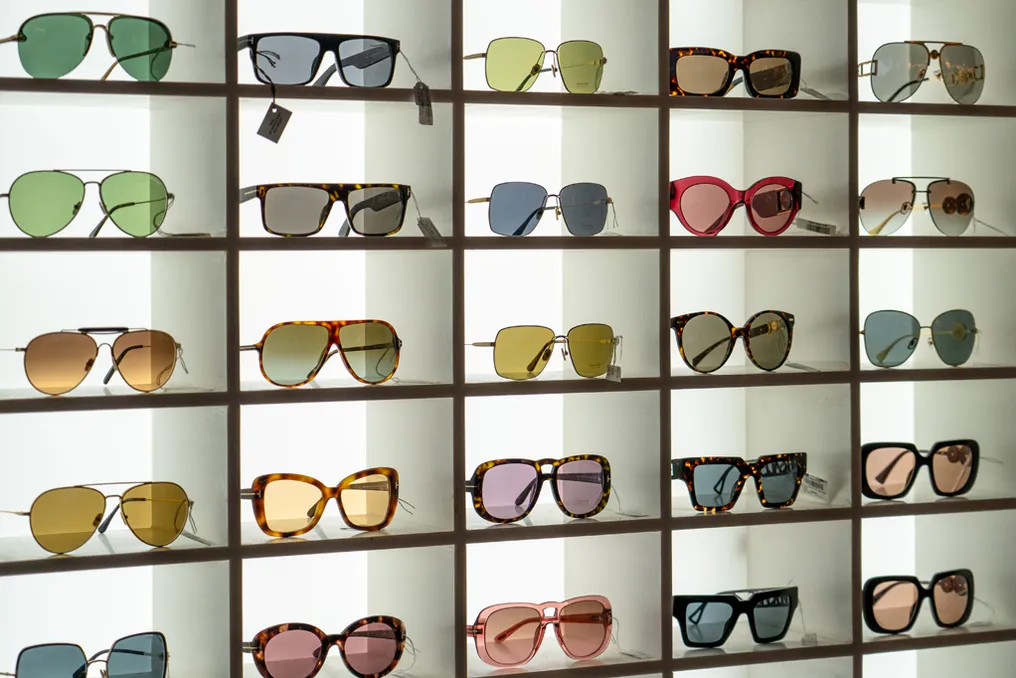
Guide on how to select the ideal eyeglass frame
Read more
Super Abril
super.abril.com.br

Guide on how to select the ideal eyeglass frame

Selecting eyeglass frames involves considering several factors, from material to shape, aiming to complement facial features and ensure visual comfort.

Although titanium frames are often the most expensive, there are satisfactory alternatives in stainless steel and other metals. Frames made of acetate have the advantage of being reshaped by heating, although they may deform over time. It is recommended to avoid plastic, as this material does not support all types of lenses and its paint tends to chip easily.

To balance facial features, it is advisable to opt for frame shapes opposite to the face shape. For example, round glasses enhance round faces and soften straight lines on square faces, while the inverse applies to square frames on round or square faces. It is essential to try various models to make the best choice.

A crucial point in the choice is the bridge size, which connects the two sides of the frame; it needs to sit firmly on the nose to prevent the glasses from slipping. If this happens, the eyes will move out of the optical center of the lens, impairing vision quality. Furthermore, the temple bend must be positioned correctly over the ear, without being excessively long or short.

In terms of style, colorful and thick frames convey casualness, while rimless glasses are seen as discreet and sober. Cat-eye styles are associated with youthfulness, while small frames with round lenses suggest experience. Although these are not rigid rules, they can guide the decision.

It is possible to differentiate materials by observing the nose pad: plastic frames usually have painted pads, while acetate frames generally have transparent pads. To maintain the health of the glasses, it is necessary to clean them and the lenses using neutral soap and water. After visiting the beach, all types of glasses must be washed with fresh water to remove salt and increase their longevity.

Other important tips include avoiding leaving glasses in the car's glove compartment, as solar heat can compromise the durability of the lenses and cause deformation of the frame. For those seeking exclusive and personalized pieces, opticians are professionals specialized in the artisanal making of frames.
Similar stories

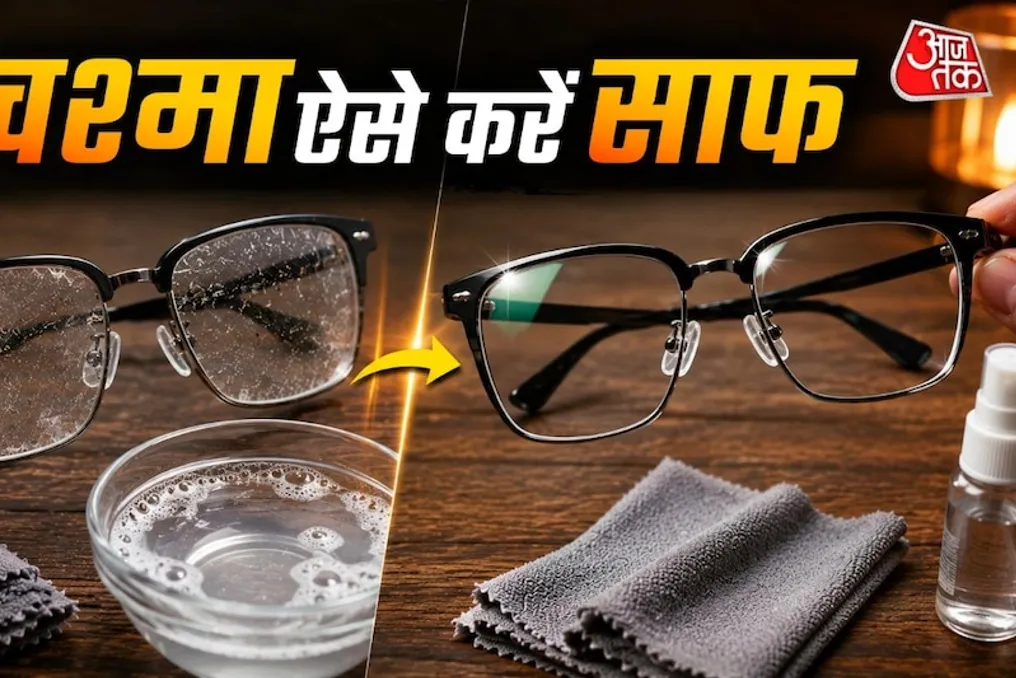
Eyeglass cleaning methods: how to remove marks and maintain lens shine
Read more
www.aajtak.in

Eyeglass cleaning methods: how to remove marks and maintain lens shine

People who regularly wear glasses often face the problem of fingerprints, dust, or oily film quickly appearing on the lenses. Wiping glasses with clothing or a t-shirt in a hurry can easily scratch the glass. These scratches not only worsen vision but also put extra strain on the eyes.

To ensure that glasses always look perfectly clean and free of scratches, it is necessary to know the correct and safe method for cleaning them. Below are three simple ways to remove dirt without damage, as well as a list of mistakes to avoid.

1. Using mild dish soap and warm water

First, wash your hands thoroughly. Then, place the glasses under a stream of slightly warm running water to wash away dust particles. Apply a drop of dishwashing gel without moisturizing additives to your fingertips, gently rubbing both sides of the lenses, as well as the frame and nose pads. After this, rinse the glasses with clean water and then carefully wipe them with a microfiber cloth, shaking off excess moisture.

2. Homemade lens cleaning spray

To prepare, mix one part isopropyl alcohol, one part distilled water, and one drop of mild detergent. Pour the mixture into a small spray bottle. Spray a small amount of the spray onto the lenses, then wipe the glasses with a special microfiber cloth in circular motions.

3. Cleaning the frame and nose pads

In addition to the lenses, sweat and grease accumulate on the frame and nose pads. To completely remove bacteria and dirt from the corners of the nose pads, they should be cleaned with an old soft toothbrush using mild soap.

Do not use clothing or paper towels: the fibers of such materials are very stiff and can leave fine scratches on the lens. It is also strictly forbidden to use saliva or spit for cleaning, as this can lead to the spread of microbes on the lens.

It is advisable to refrain from using glass cleaners (such as Colite), as they contain ammonia, which can damage special lens coatings, such as anti-glare or UV protection.

Popular