Mátria Park, the largest flower park in Latin America, is located in Serra Gaúcha
Read more
Viagem e Turismo
viagemeturismo.abril.com.br

Mátria Park, the largest flower park in Latin America, is located in Serra Gaúcha

Anyone looking for an immersive nature experience, filled with beautiful landscapes and themed gardens, should consider visiting Mátria Park. This park is located in the municipality of São Francisco de Paula, a locality near the well-known Gramado, approximately half an hour's drive away. Mátria Park is recognized as the largest park of its kind in Latin America and is part of the Campos de Cima da Serra region in Rio Grande do Sul.

Visitors have the opportunity to explore over 30 themed gardens, including the Sea of Roses, the Magnolia Garden, and the Cherry Blossom Garden. The themed areas house more than 500 varieties of plants. The park was designed with integrated paths, ideal for quiet and contemplative walks, offering resting benches, observation points, and a 102-meter wisteria tunnel that blooms completely during spring.

Spring, which began on September 22nd, is pointed out as the best time to visit, as most species are in bloom during this period, intensely coloring the gardens. Furthermore, the mid-season generally offers more pleasant temperatures, allowing visitors to appreciate the visual spectacle without suffering from excessive heat or intense cold.

However, even outside of spring, Mátria Park offers constant attractions because its flowers are present year-round, and the landscape transforms with each season. The operating hours remain unchanged, from 10 am to 6 pm; however, during the summer, the longer days can be advantageous for those who tolerate higher temperatures, as the sun sets only after the park closes.

The autumn and winter seasons also have their charms. In autumn, the gardens go through a transition period characterized by leaf fall and the appearance of typical seasonal plants, such as calendulas, ornamental cabbages, and cherry trees. In winter, miniature poinsettias and Cape daisies stand out. This time is also recommended for those who wish to enjoy the cold climate of Serra Gaúcha.

Regardless of the season, it is best to visit on a sunny day, as clear weather is most conducive to outdoor excursions and walks. Mátria Park is located in São Francisco de Paula, along the ERS-235 highway, about 35 kilometers from the center of Gramado. The journey to the park itself provides beautiful views, as the highway is lined with mountains and hydrangea fields. Access can be made by private car or via a tourist transfer.

Leaving from Gramado, the drive along the highway takes between 30 to 40 minutes. If the visitor is already in São Francisco de Paula, the trip from the city center takes only 15 minutes. Purchasing tickets is mandatory for entry into the park, which can be obtained at the ticket office or on the Mátria website.
Similar stories

Rio de Janeiro Botanical Garden is the oldest in Latin America and highlights its attractions
Read more
viagemeturismo.abril.com.br

Rio de Janeiro Botanical Garden is the oldest in Latin America and highlights its attractions

The Rio de Janeiro Botanical Garden is recognized for its beautiful landscapes, created from collections of flowers and plants that attract both tourists and city residents. In addition to its aesthetics, the garden holds great scientific importance for botany, housing species from diverse origins ideal for research. This site has been designated as a protected heritage by the National Institute of Historic and Artistic Heritage (Iphan) since 1937.

Its historical trajectory dates back to 1808, the year it was established by Prince Dom João VI, granting it the title of the oldest institution of its kind in Latin America. Initially, the purpose was to establish an acclimatization area for spice seedlings from the East, such as cinnamon and nutmeg. Currently, the Botanical Garden is one of the most appreciated attractions in the capital of Rio de Janeiro.

With an area exceeding 540,000 square meters, the park is segmented into multiple thematic spaces filled with world flora. One of the most emblematic points is the Barbosa Rodrigues Avenue, the main avenue of the complex, lined with imperial palms, serving as a classic backdrop for travel photographs.

Japanese Garden

The Japanese Garden, as its name suggests, displays species characteristic of Japan. In this environment, one can find bonsai and cherry trees, as well as an oriental-style bridge spanning a pond with carp, referencing Japanese culture.

The Orchidarium and Bromeliadarium greenhouses cultivate hundreds of varieties of orchids and bromeliads. This section of the park is also highly sought after by visitors due to the beauty and variety of species, including rare specimens.

For visually impaired people, there is the Sensory Garden, designed to provide an intense experience of textures and aromas, allowing visitors to touch and smell all the vegetation present on the site.

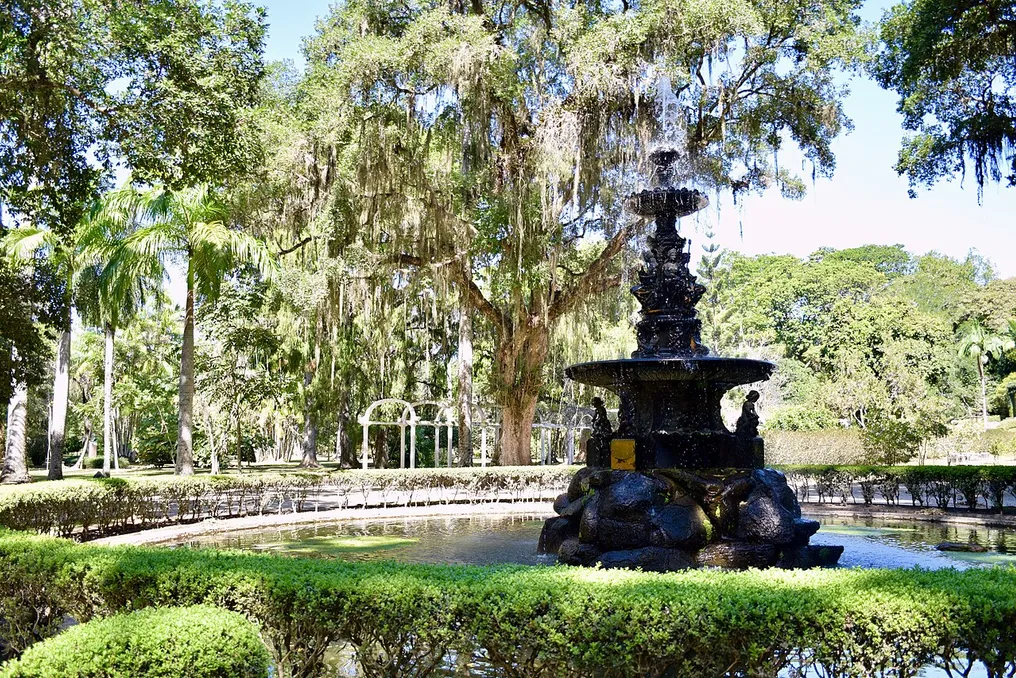
In the center of the park, there is the Fountain of the Muses, another frequently photographed spot. This fountain consists of two basins and is decorated with four sculptures symbolizing science, poetry, art, and music. The work was relocated from Largo da Lapa to its current position in 1905.

The Botanical Garden also houses a cultural center, the Botanical Garden Museum. This space offers art exhibitions and interactive content, in addition to an educational schedule. Its objective is to highlight the work carried out by the park and biologists in developing public policies and strategies for the conservation of local flora over its more than 200 years of existence.

Located at Rua Jardim Botânico, number 1008, access can be made by car, ride-sharing apps, or bus. It is important to note that the location does not have its own parking for private vehicles.

The park operates from Monday to Sunday, from 8 am to 5 pm, except on Wednesdays, when it opens later, at 11 am. The museum is not open on this day. Tickets can be purchased on the official Botanical Garden website, costing R$ 40 for Brazilian citizens and R$ 80 for foreigners.

Municipal Natural Park Cabeceiras do Aricanduva integrates Atlantic Forest area in Cidade Tiradentes, São Paulo
Read more
archdaily.com.br

Municipal Natural Park Cabeceiras do Aricanduva integrates Atlantic Forest area in Cidade Tiradentes, São Paulo

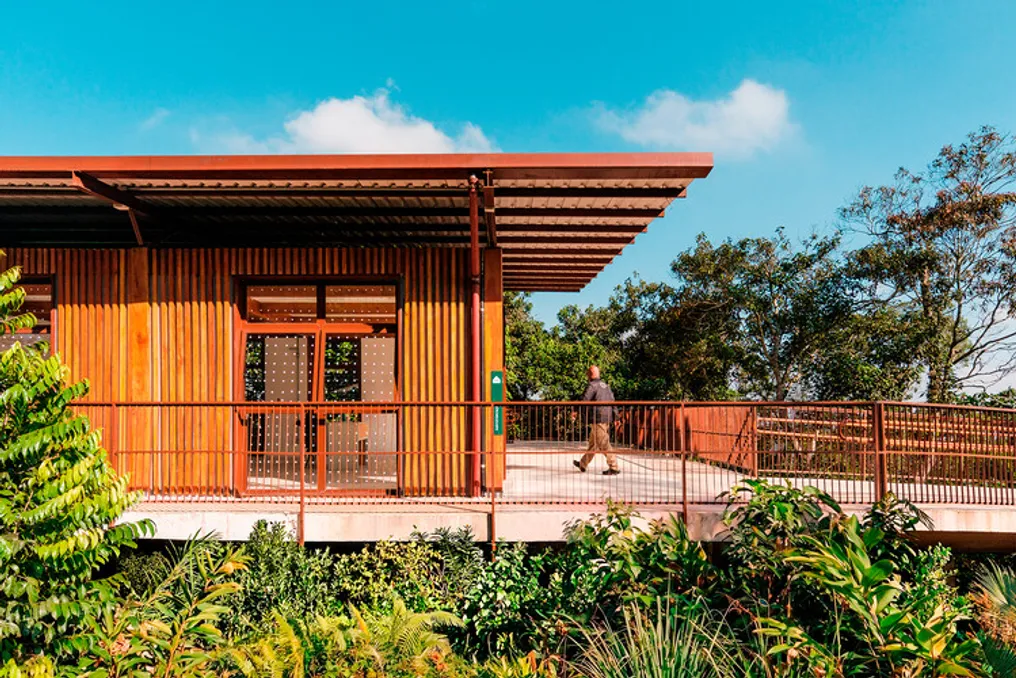
The Nascentes Nucleus of the Municipal Natural Park Cabeceiras do Aricanduva is located in Cidade Tiradentes, in the eastern region of São Paulo. This nucleus covers an area of about 96 thousand square meters, conserving remnants of the Atlantic Forest and the headwaters of the Aricanduva River basin.

The development of this project was carried out by Natureza Urbana, in collaboration with the Division of Implementation, Projects, and Works of the Municipal Secretariat of Green and Environment. The main objective is to bring local residents closer to this important natural heritage, creating a transition zone between the neighborhood and the preservation area.

Plant 6 beautiful potted plants to keep your home and yard blooming year-round
Read more
www.aajtak.in

Plant 6 beautiful potted plants to keep your home and yard blooming year-round

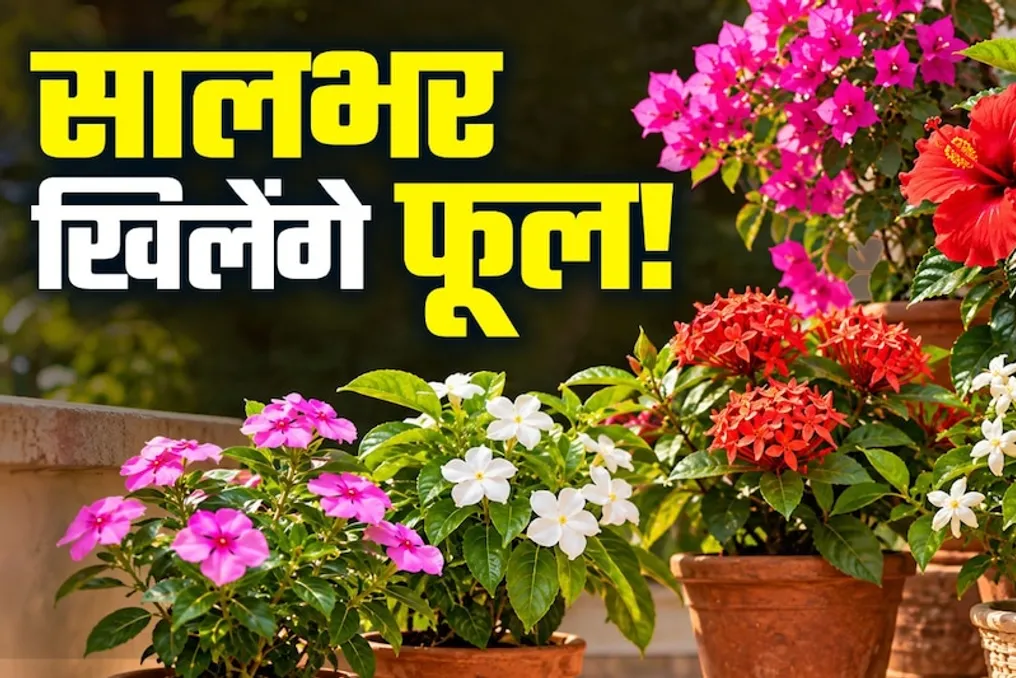
If colorful flowers bloom on the balcony, roof, or in the yard of your home, the entire house begins to look beautiful. Waking up in the morning to see fresh flowers on the plants brings joy. However, a common problem arises: some plants bloom for only one or two months, and their beauty fades with changing weather, leaving the garden looking empty.

If you want your home to always have an atmosphere of blooming, you should choose plants that flower for a long time. There are many such beautiful flowering plants that, with proper care, produce flowers for most of the year. Their feature is that they do not require a large garden or much space to be planted; they are easy to grow in pots on a small balcony.

Below are 6 such plants that bloom year-round.

SadaБахар is a plant that blooms profusely for a long time. Its small flowers come in pink, white, and dark pink shades. It grows well even in heat and requires less care compared to many other flowering plants. It can even be planted in small pots.

How to care for it: The SadaБахар plant should be placed in a sunny spot. Water should not accumulate in the soil. Water only when the top layer of the soil has dried out. Overwatering can damage the roots. It is important to remember that this plant can be poisonous if ingested, so keep it away from small children and pets.

If you like to see a large number of small flowers at once, you can plant Rangaan at home. It blooms in clusters of red, orange, yellow, and pink flowers. These flowers look very attractive and give the garden a lush appearance. In warm and humid climates, this plant can bloom for a long time.

How to care for it: The Rangaan plant can be planted in a sunny or semi-shaded area. Choose soil that drains water easily. Water the plant regularly and apply fertilizer for flowering plants once a month. Periodically remove withered flower clusters.

If you want to make the wall, roof, or balcony of your home colorful, bougainvillea can be a good choice. Its flowers, in shades of pink, purple, orange, white, and red, cover the entire plant. This plant grows well in bright sun and blooms for many months of the year. It can be easily grown even in large pots.

How to care for it: Bougainvillea needs to be placed where there is plenty of sunlight. This plant does not need excessive water. After it has established itself well, water only after the soil dries out. Do not fertilize it too heavily, otherwise, more leaves may appear instead of flowers. There are thorns on the branches of this plant, so wear gloves when pruning.

Kankambaram is known for its beautiful orange and yellow flowers. The shape of these flowers resembles a fan. These flowers are widely used in South India. In India, they are also used to make garlands and wreaths. With proper care in warm regions, this plant can bloom for a long time. It can be planted in a pot to enhance the beauty of the balcony.

How to care for it: The Kankambaram plant should be placed in a well-lit area, but without overly intense direct sun. Maintain light soil moisture, preventing water accumulation. Occasionally add a little fertilizer and remove withered flowers. In winter, it should be protected from severe cold.

The Chandini plant is also on this list. It is known for its white and beautiful flowers. Its flowers have a wheel-like shape, and the light fragrance emanating from them in the evening makes the surrounding atmosphere pleasant. This plant has lush green foliage and can bloom for most of the year in warm regions. It is easy to plant in the yard and in the home garden.

How to care for it: The Chandini plant can be planted in full sun or partial shade. Maintain soil moisture, but do not allow waterlogging in the pot. Prune periodically to give the plant the correct shape. The white milky sap secreted from its branches can cause skin irritation, so wear gloves when pruning.

The white flowers and fragrance of Mogra make the home not only beautiful but also fragrant. This is why it is loved to be planted on balconies, roofs, and yards. In summer, this plant blooms profusely. With proper care in warm regions, it can bloom for most of the year. Its flowers are also used for religious ceremonies and making garlands.

How to care for it: The Mogra plant needs good sunlight daily. It should be planted in soil that drains water easily. (Text ends)

Popular