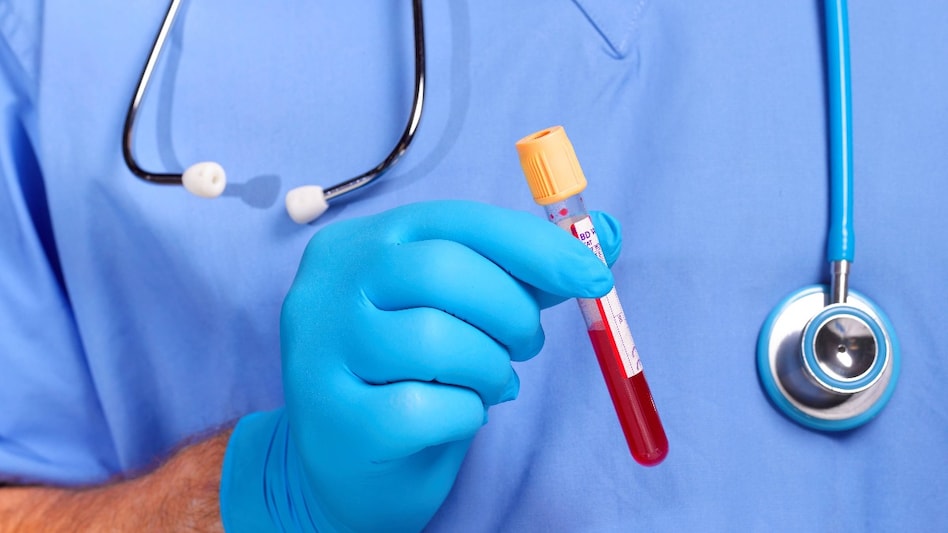
When undergoing blood tests, doctors often ask patients about observing a 10-12 hour fast, but this established approach is not mandatory for all types of tests. This is reported by a study published in the journal 'JAMA Internal Medicine'.
In this study, scientists analyzed over 121 different blood tests and found that in the vast majority of cases—more than 111 instances—eating or fasting status does not significantly affect the results.
Previously, doctors recommended fasting for indicators such as blood sugar and triglycerides because they increase after eating. Fasting is also advised when testing for iron. However, over time, laboratories and hospitals made this a general rule, and many doctors began prescribing 10-12 hours of fasting to patients before routine check-ups. This can cause discomfort, such as headaches or dizziness, especially in people with diabetes.
The scientists conducted a large-scale study to compare biomarker levels in people who fasted for less than 8 hours and those who fasted for 8 to 12 hours. They tracked 121 blood analytes and concluded that only 10 tests showed a significant difference in results depending on whether the patient was fasting.
There are several tests that require adherence to a fasting regimen: blood glucose test, lipid profile (especially triglycerides), GGT (gamma-glutamyl transferase), and lipase.
Other tests, such as Complete Blood Count (CBC), electrolytes (sodium, potassium), thyroid hormones, vitamin and hormone tests, and HbA1c, can be taken without prior fasting.
The study contains an important warning: one should not independently decide to forgo fasting based on a doctor's recommendation. It is always necessary to consult with a treating physician and follow their advice when preparing for tests.