
Uzbekistan plans to introduce an electronic risk assessment system for businesses
Read more
Podrobno.uz [uz]
podrobno.uz

Uzbekistan plans to introduce an electronic risk assessment system for businesses

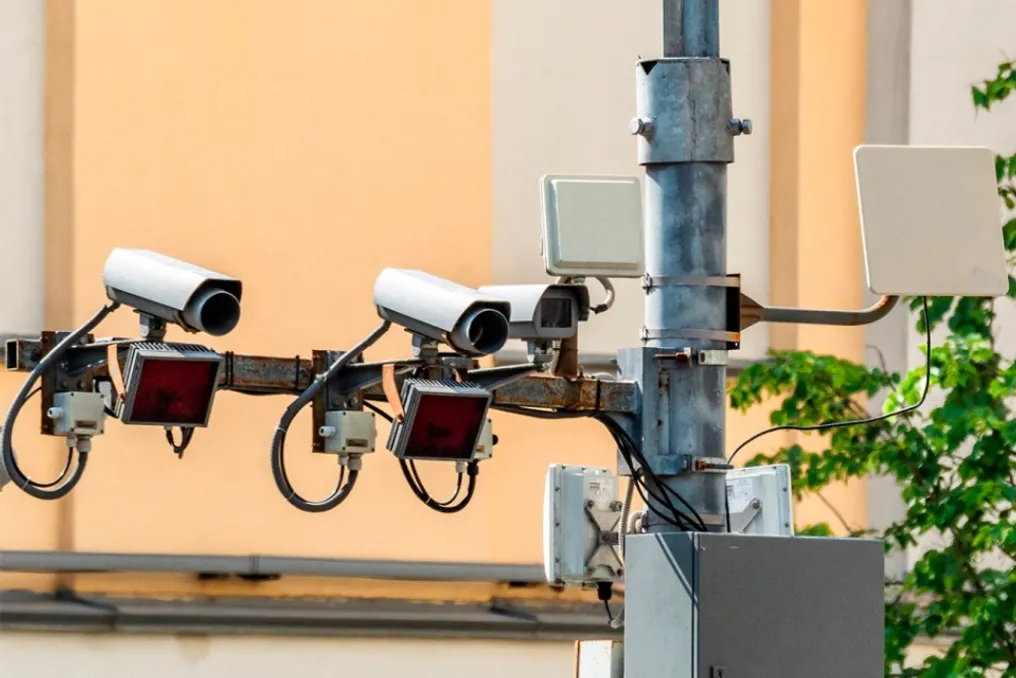
A proposal has been put forward in Uzbekistan to introduce an electronic system called 'Risk Analysis,' which is designed to automatically assess the probability that entrepreneurs will violate current legislation. The results of this assessment will be used to prevent such violations and to plan control measures more effectively.

The Agency for Narcotics and Firearms Control under the Presidential Administration developed the draft regulation on the procedure for implementing this system. This document is already available on the public discussion portal for normative legal acts, and the discussion period has been extended until October 11.

According to the submitted draft, the system will independently determine the level of risk based on pre-established criteria, excluding human involvement in the process. Data obtained through interdepartmental electronic interaction will be used for the analysis. This data includes information on licenses and permits, statistical data, confirmed appeals from citizens and legal entities, media and open-source materials, as well as reports from inspections conducted by other state bodies, including control purchases.

It is important to note that when conducting the analysis, entrepreneurs will not be required to provide any documents or information. Furthermore, the assessment process itself must not create obstacles or slow down commercial activity. However, the system will only assess entrepreneurs whose activities fall under the competence of this agency.

The risk level assigned by the system cannot serve as a legal basis for imposing fines or revoking licenses; its function is strictly limited to preventing violations and planning inspections.

Risk Classification and Inspections

Following the assessment, entrepreneurs will be distributed into three categories: high risk (scoring from 81 to 100 points), medium risk (from 61 to 80 points), and low risk (less than 61 points).

Inspections of enterprises with low risk levels will not be conducted, except in situations explicitly provided for by law as emergencies. Special criteria have been established for entrepreneurs who work with narcotic drugs, psychotropic and potent substances, as well as precursors.

The system will also take into account factors such as the absence of necessary licenses and certificates of conformity to national standards of good practices at pharmacies, wholesale warehouses, and manufacturers, as well as the lack of a medical license for non-state medical organizations. Violations related to the import, export, and transit of substances, operating outside licensed addresses, and selling unregistered substances are also considered.

Separate indicators have been established for transporting these substances by various modes of transport (road, rail, and air). For example, 35 points are proposed for inadequately sealed or damaged packaging, 25 points for transportation without mandatory accompaniment by a responsible person, and 20 points for the absence of an approved consignment note.

Entrepreneurs who disagree with the results of the analysis have the right to appeal them either in court or to a higher authority. If the document is approved, it will come into effect three months after its official publication.

Similar stories

Artificial Intelligence to be Implemented in Andijan to Enhance Crime Fighting Efficiency
Read more
podrobno.uz

Artificial Intelligence to be Implemented in Andijan to Enhance Crime Fighting Efficiency

The integration of artificial intelligence technologies into the video surveillance system is planned in the city of Andijan to strengthen measures against crime. The cameras will not only record events but also analyze data using AI, which will allow for the early detection of potentially dangerous situations and risk minimization.

This information was announced at a meeting chaired by President Shavkat Mirziyoyev, dedicated to the socio-economic development of the Andijan region.

Mechanisms of Digitalization and Combating Cybercrime

To implement the planned transformations in Andijan, as well as in Shahrikhan and Andijan districts, new positions of deputy heads of internal affairs bodies will be created. These employees will be responsible for digitalization processes and countering cybercrime.

The main function of these specialists will be to work with the city's camera system. Artificial intelligence will process video recordings to provide timely alerts regarding incidents of hooliganism, theft, and traffic accidents.

Furthermore, special attention will be paid to ensuring internet security. A special program will be developed in the region to protect against cyberattacks, and training courses on the basics of cybersecurity will be conducted for employees of budgetary institutions, schoolchildren and students, as well as for pensioners.

It is planned that this successful experience will be scaled up and disseminated to other regions of the country by the end of the current year. Previously, the president was shown a textile enterprise in the Andijan district where humanoid robots and artificial intelligence technologies are already in use.

Functions of the Agency for Knowledge and Skills Assessment Approved in Uzbekistan
Read more
podrobno.uz

Functions of the Agency for Knowledge and Skills Assessment Approved in Uzbekistan

The rules for the functioning of the Agency for Knowledge and Skills Assessment have been officially approved in Uzbekistan. According to the new regulations, this agency will oversee the conduct of exams, the issuance of national certificates, and the process of recognizing foreign diplomas.

The main tasks of the Agency include organizing various competitions and entrance examinations, as well as qualification tests. Corresponding national certificates will be issued based on the results of these tests. Agency specialists will also be responsible for developing assessment methodologies and criteria, as well as updating the database of test questions.

Special attention is paid to verifying knowledge of the state language among individuals applying for managerial or responsible positions. Furthermore, the Agency is authorized to accept educational documents obtained outside the country and to issue apostilles on diplomas and certificates.

The list of duties also includes conducting customized exams and strengthening ties with international structures. It was previously announced that the Agency will organize exams for primary school teachers, who, after receiving a national certificate, can expect a monthly salary increase.

Popular