Following a series of women's murders in Ekurhuleni, regional authorities have decided to go beyond mere condemnation and implement concrete measures to improve the work of law enforcement agencies.
The measures developed by the provinces of Gauteng, KwaZulu-Natal, and Western Cape include engaging local activists, conducting safety audits, and developing specialized action plans for the police.
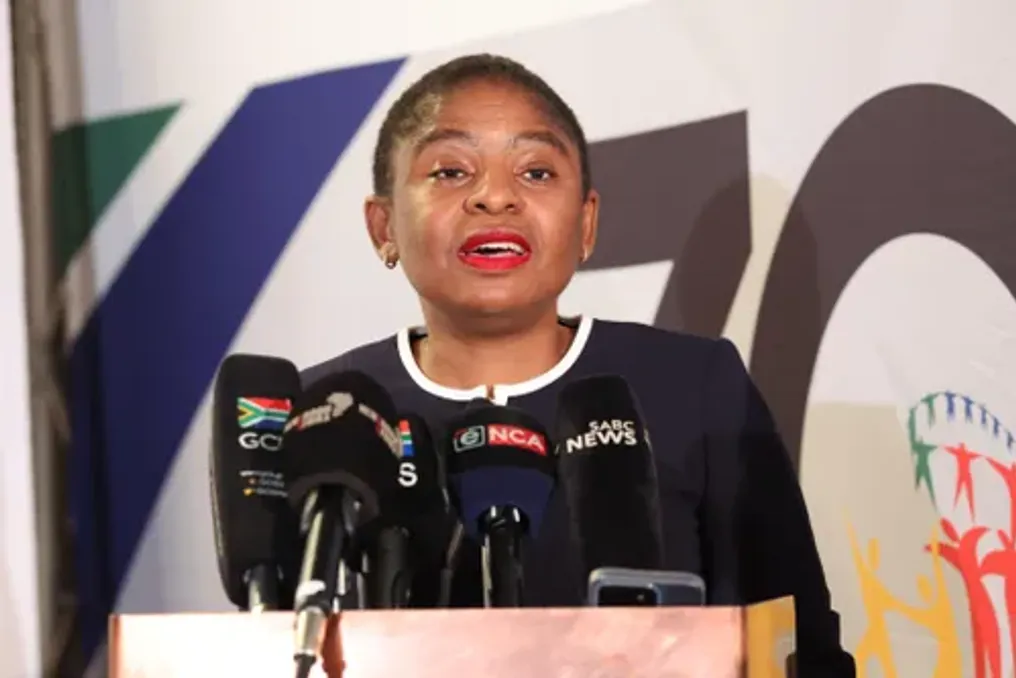
Premier Panyisa Letsufi announced on Friday that Gauteng is transforming the national response to Gender-Based Violence and Violence Against Women and Girls (GBVF) into a provincial plan following an intergovernmental meeting. Special attention is being paid to several police stations with a high number of rape cases, such as Rietgat, Alexandria, Mamelodi, Dipsluit, Ivory Park, Dobsonville, Redhill, Midrand, and Tambisa, which are receiving additional support.
Letsufi emphasized that without additional resources allocated to the police, victim empowerment, and resolving all related issues, including cases in these stations, they would not justify the President's call. Municipalities have been given seven days to commence safety audits aimed at identifying problems with street lighting, abandoned buildings, and unsafe public transport routes. An interdepartmental committee will monitor the implementation of these measures weekly.
Within 60 days, Gauteng will conduct an audit of unsolved murders, attempted murders, rapes, and serious sexual offenses committed against women and children, including issues with forensic examinations, incomplete arrests, and prolonged investigations or court proceedings.
Johannesburg Mayor Dada Morelo has also launched an action plan to respond to GBVF in the city, uniting municipal police, emergency medical services, health departments, and building inspectors. Morelo stated that the program will involve various information campaigns, and police officers will respond more promptly to any calls related to GBVF and femicide.
KwaZulu-Natal is adopting a more community-oriented approach. Premier Thamsanga Ntuli recently appointed 173 GBVF activists to bridge the gap between the public and law enforcement across all provincial police stations. These activists will support survivors, assist in prevention and awareness initiatives, and strengthen data collection and reporting. Ntuli called these 173 activists 'a lifeline for victims, the voice of the vulnerable, and the driving force for change in our province.' The province positions Silva Nichilo as a 365-day response, while Ntuli called for enhanced coordination between government, law enforcement, traditional leaders, civil society, and local communities.
Western Cape's reaction preceded the recent murders in Ekurhuleni. In his State of the Province Address in February, Premier Alan Wind noted that 860 GBV ambassadors were active in the province, with 21 ambassador programs and 27 funded shelters. The plan for 2026/27 includes a 365-day response, including preventive measures targeting men and young men. Following a recent picket outside the Western Cape Legislature, Provincial Police Commissioner Lieutenant General Sizakhele Dyantyi agreed to develop a special action plan for the police. Dyantyi stated that the team would study the memorandum and consider every raised issue before drafting the action plan.
These provincial responses follow Ramaphosa's national address of September 29, in which he ordered a 60-day audit of unsolved murders, rapes, and serious sexual offenses against women and children. Individual recovery plans for priority and stalled cases must be submitted within 90 days. Ramaphosa stressed that these directives are not merely statements of good intentions, as they establish obligations, deadlines, and the duty to report regularly to the country. He also ordered funding for a plan to address backlogs in forensic examinations within 60 days and to conduct municipal safety audits for women, with urgent threats to be eliminated or included in funded implementation plans within 90 days.
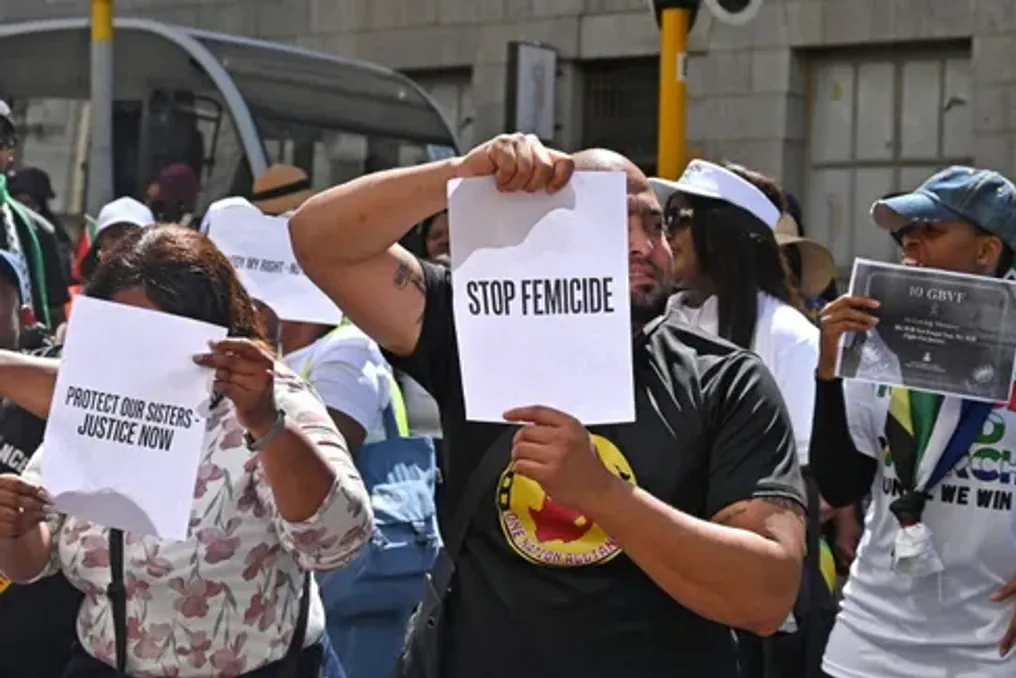
Recent weeks have seen pickets and demonstrations in various parts of the country, as organizations dealing with gender-based violence, civil society groups, and other public organizations demanded stronger and more coordinated intervention to combat GBVF.