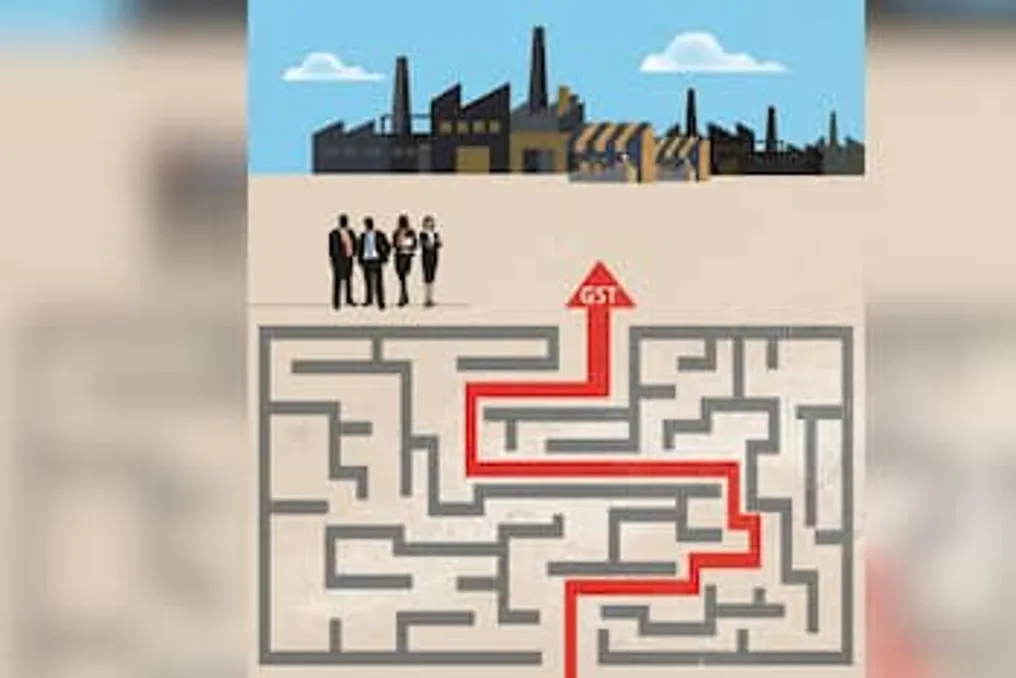
India's ambitions to become a Viksit Bharat require creating an economic environment that fosters growth for businesses of all sizes, regardless of their location. Over the past twelve years, the government has worked towards establishing such conditions, including the introduction of the Goods and Services Tax (GST) in 2017, which established a unified national indirect tax system. The new version of GST continues this work, building upon nine years of implementation and the experience of taxpayers and states.
Within the vision of Prime Minister Narendra Modi, the new version of GST was conceived with two interconnected goals: reducing and rationalizing rates, and simplifying compliance. The rate changes came into effect on September 22, 2025, and the next phase of reform will be presented to the GST Council shortly. These efforts aim to assist households, provide greater certainty for businesses, and create a system for taxpayers to meet their obligations without unnecessary hurdles.
The states have acted as partners throughout the process, offering their priorities and expertise to the Council, helping shape decisions and implementing them. The author expresses gratitude for this commitment, emphasizing that GST progress is based on the willingness to adhere to a common national goal while respecting the responsibilities of each government.
The results achieved provide grounds for optimism. Between October 2025 and July 2026, the volume of declared taxable supplies increased by 25.8% compared to the same period last year. The lighter structure of rates was accompanied by a significant expansion in declared economic activity. This is an encouraging foundation for the reform aimed at supporting both enterprises and public finances.
This resilience is also visible in the latest financial figures. Total GST collection reached ₹12.46 trillion from April to September 2026, which is 11.6% more than in the corresponding period last year. Every month from June to September demonstrated double-digit annual growth; cumulatively over these four months, collections accelerated by nearly 15%. Net receipts after refunds also grew by 10.4% over the half-year. The easing for taxpayers coexisted with an increase in resources available for development.
It is not just the scale, but also the breadth of this expansion. Declared taxable supplies grew across all 11 groups of sectors and in all major states. In a diverse economy like India's, such distribution is highly significant. Growth in sectors and regions opens up opportunities for a larger number of businesses to participate in expanding markets, as well as for more communities to benefit from subsequent demand, investment, and employment.
Declared sales to consumers (B2C) also increased by 26.7% compared to the pre-reform period. When tax relief is reflected in prices, families have more capacity to meet other needs or save. Consumer relief and business growth are closely linked: household purchasing power supports the demand for goods and services provided by businesses. Benefits can cascade from the household to the retailer, supplier, and manufacturer.
For small and medium enterprises, the national market is valuable because it offers a practical path to customers beyond their immediate vicinity. Businesses in second and third-tier cities should be able to establish these connections while continuing to invest locally and hire people. Businesses expanding into these cities, in turn, can create opportunities for local suppliers and distributors. The unified GST system supports these linkages, and simpler administration should facilitate their maintenance.
Participation in this system is quite substantial. The number of GST registrations in central and state jurisdictions reached approximately 17.1 million by the end of August, almost 15% more than the previous year. For the tax periods from April to July 2026, the filing of GSTR-3B returns on time was 12.6% higher than in the corresponding periods last year. These improvements place corresponding responsibility on the administration: regular compliance must be supported by reliable service, clear guidance, and timely resolution of issues.
The functioning of input tax credit is another important part of this experience. Post-reform indicators show that the share of tax liability settled through credits has increased, while accumulated credit has decreased relative to taxable supplies. This is encouraging for businesses reliant on the effective utilization of relevant credits. For a small firm, working capital determines how easily it can procure raw materials, fulfill orders, and take the next one.
Refunds are also significant. Approximately ₹1.80 trillion was refunded between April and September. The refund of funds to businesses is part of a well-functioning tax system. Greater predictability in this process would help businesses plan procurement and production with greater confidence. The taxpayer experience in receiving a refund is an important indicator of administrative efficiency.
States also possess a stronger fiscal position. Their aggregate revenue from SGST (State GST), including their share of IGST settlement (Integrated GST), grew by approximately 16% from April to September of this year. These resources support investments in infrastructure and public services, improving the conditions under which families and businesses realize their aspirations. Thus, benefits can reinforce each other: household relief supports demand, business strengthens economic activity, and government revenues help sustain development.
The experience also points to further work. The growing system must remain mindful of the costs it imposes on smaller participants. Their time and resources are limited. Every improvement in reporting, crediting, or refunds should allow more of these resources to be directed towards running and expanding the business.
Proposals before the Council on October 7 were developed through continuous engagement with the states. They concern registration, reporting, refunds, disputes, and improving the flow of input tax credit to reduce compliance time and costs. The taxpayer experience must continue to guide implementation.
The growing maturity of GST gives us a stronger foundation for the next stage of reform. The same commitment to clarity, certainty, and respect for the taxpayer guides our work in direct taxation. A robust tax system allows businesses to plan beyond their immediate obligations and invest in opportunities that take time to mature. Providing them with this certainty, wherever they operate, helps build the economic strength of Viksit Bharat, as envisioned by Prime Minister Narendra Modi.