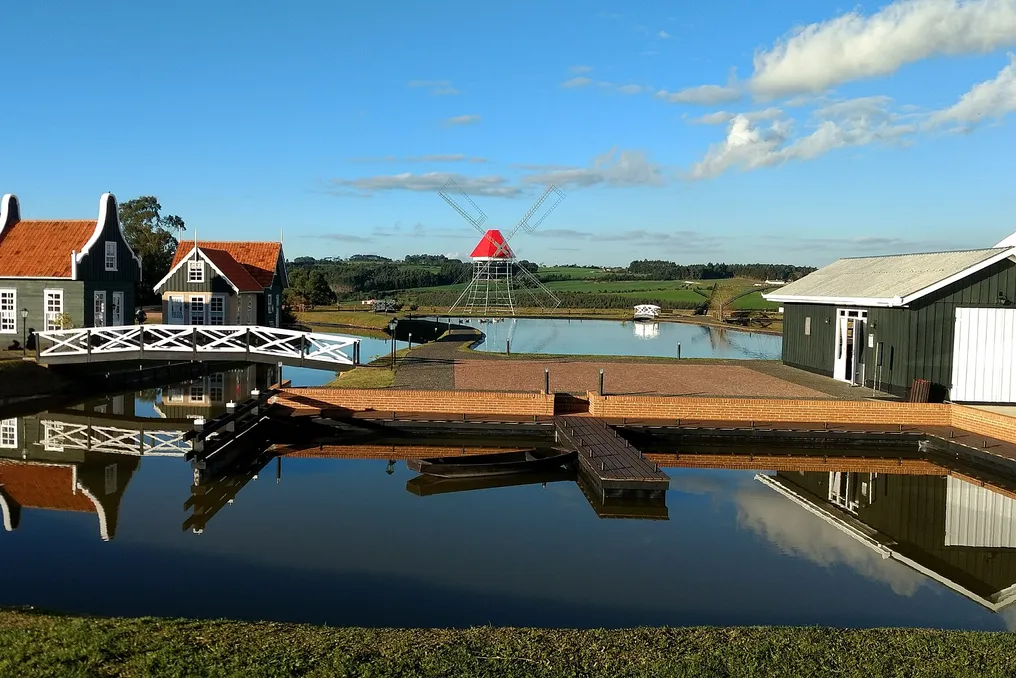
Carambeí, in Paraná, known as the 'Little Holland' due to its strong Dutch cultural heritage
Read more
Viagem e Turismo
viagemeturismo.abril.com.br

Carambeí, in Paraná, known as the 'Little Holland' due to its strong Dutch cultural heritage

Carambeí is recognized as the 'little Holland' of the state of Paraná and constitutes one of the central points of regional cultural tourism. Although it has a striking European heritage, the name of the municipality originates from indigenous peoples; in Tupi-Guarani, it means 'river of turtles,' referring to the waterway that gave its name to the locality.

The Dutch influence arrived in the region at the beginning of the 20th century, when the first immigrants settled, leaving behind the characteristic architecture that is still preserved today. The car trip from the capital Curitiba to Carambeí takes only two hours, making it an ideal destination for day trips.

Culture and architecture are the main tourist attractions of the city. In addition to the typical buildings of European settlements, the preserved Dutch traditions enchant visitors.

Typical Sweets of Carambeí

Carambeí Cakes (Tortas de Carambeí) are considered a local gastronomic heritage and hold a Geographical Indication Seal. These sweets can be found in traditional coffee shops and specialized confectionery stores in the region, such as Frederica’s Koffiehuis and Tortas Wolf.

The city also promotes traditional events and festivities, such as the Settler's Day, celebrated on July 18, and the Heritage and Folklore Week, held in August, which include musical and theatrical performances.

The Carambeí Historical Park is the main attraction of the city. This open-air museum covers one hundred and fifty thousand square meters and was conceived with inspiration from Scandinavian eco-museums, serving to preserve the memory of Dutch immigration in the city. The mentioned festivals take place in this location.

The museum is structured into three interconnected areas: the House of Memory, the Historical Village, and the Water Park.

Details of the Historical Museum

The House of Memory is located in an old stable built in 1946 and exhibits agricultural equipment and tools used by the settlers. The Historical Village recreates the layout of the old colony of Carambeí on a real scale. The Water Park demonstrates the Dutch structures intended for water management, inspired by the Zaanse Schans environmental park near Amsterdam. Additionally, the museum complex houses the Amsterdam Cultural Center and the Exhibition Park.

For those who appreciate history and nature, visiting Het Dorp is recommended. This place simulates a typical Dutch village located in the rural area of the city and is also distinguished by its flower fields, such as sunflowers and a lavender field, where the Lavender Festival takes place every October. In the same place there is a windmill and an artisanal cheese dairy, allowing visitors to follow the production process. The Het Dorp Koffiehuis functions as a traditional bakery and cafe within the complex.

The city is also close to the Escarpa Canyon, which is a notable spot for hiking and walking in the area. Before any visit, it is advisable to plan the route safely, recommending the hiring of a guide.
Similar stories

Activities and attractions at Ponta Negra Beach, Natal, Rio Grande do Norte
Read more
viagemeturismo.abril.com.br

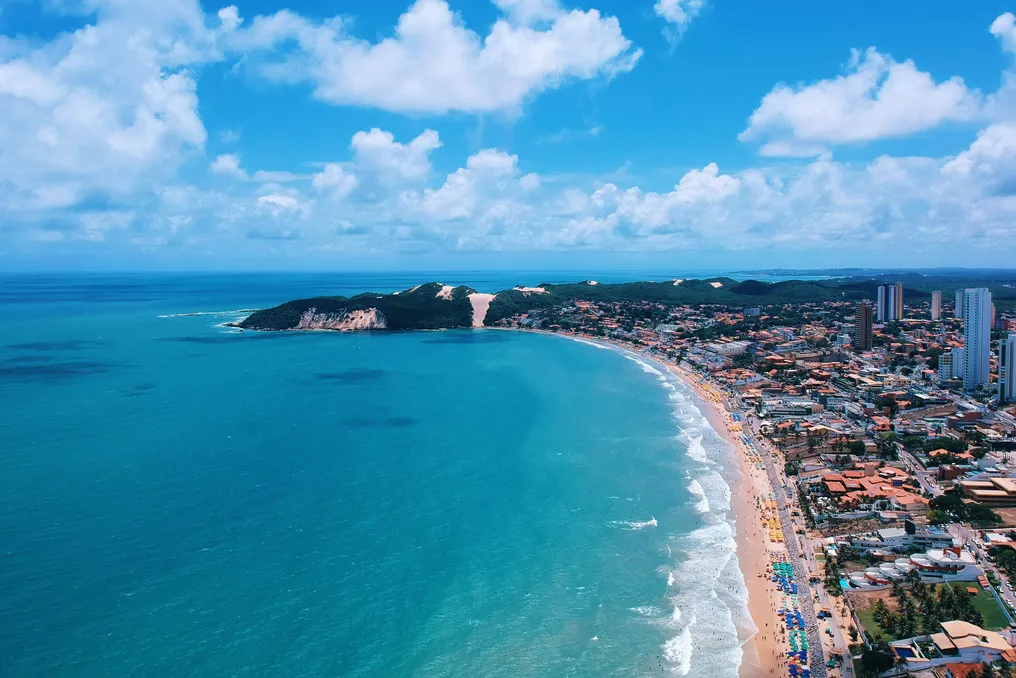
Activities and attractions at Ponta Negra Beach, Natal, Rio Grande do Norte

The renowned Ponta Negra Beach is located in the eponymous neighborhood, situated in the South Zone of Natal, the capital of Rio Grande do Norte. This neighborhood is recognized as one of the city's main tourist centers, offering a promenade suitable for walks, as well as kiosks, bars, restaurants, and extensive hotel infrastructure.

The nightlife in the region is quite lively, concentrating both on the beachfront of the beach itself and in Alto de Ponta Negra, where there are several bars and forró venues. To reach this destination, visitors can use the Via Costeira or Avenida Engenheiro Roberto Freire.

Main attractions and Morro do Careca

Ponta Negra Beach features a long stretch of white sand and presents two distinct types of sea along its coast. In the southern section, near Morro do Careca, the waters are calmer and shallower, making them ideal for families with small children and for those practicing stand-up paddleboarding.

In contrast, the central and northern areas have choppier seas with strong waves, especially in the afternoon. This attracts surfers and practitioners of other water sports, such as kitesurfing. Tourists have the option to rent equipment for water sports, such as stand-up paddleboards, or book surfing lessons.

Another leisure option is the jangalancha tours. This unique vessel, which combines elements of a traditional jangada with lancha characteristics, takes routes around Morro do Careca, leading visitors to Tartarugas Beach. There, it is possible to enjoy a refreshing dip in shallow waters and observe dolphins and sea turtles.

Furthermore, visitors can walk along the waterfront, stopping at restaurants and bars to taste local delicacies, such as carne de sol na nata, seafood, and tapioca. Among the best-known establishments are Casa de Taipa Tapiocaria, Curió Bar, and Camarões restaurant.

Dredging works and their controversies

Because the sea covers part of the sand strip during high tide, Ponta Negra Beach has been subjected to a dredging project. This work began in August 2024 and was scheduled to finish at the end of 2025, resulting in an expansion of the sand strip by up to one hundred meters, aiming to protect the waterfront and mitigate coastal erosion.

However, this work has drawn criticism from some members of the public and regulatory bodies. They pointed out the absence of energy dissipators at the water drainage points, which contributes to water accumulation and flooding in the streets after heavy rains. This situation can also increase health risks and contamination due to stagnant water. For bathers, an additional problem was the appearance of rodolitos, which are limestone rocks dislodged from the seabed and pose a risk of foot injuries.

Morro do Careca: Natural highlight

Morro do Careca is a very visited spot at Ponta Negra Beach, characterized as a famous coastal dune located at the southern end of the beach, where swimming is considered more pleasant. This sand mound is approximately one hundred and ten meters high and received its name due to its peculiar appearance: a central strip of light sand contrasting with the restinga vegetation on the slopes, reminiscent of a human head's baldness from certain angles.

Formed by the accumulation of wind-blown sand over centuries, the attraction is particularly notable in the morning, between 7 am and 9 am, when sunlight falls on the sea-facing side, and also at dusk, during sunset. At night, the monument is highlighted by special lighting, visible from the beach promenade.

It is important to note that since 1997, climbing Morro do Careca and walking on the dune is strictly prohibited. Environmental preservation measures have been implemented to control the erosion caused by visitor traffic, which previously led to the displacement of sand and the destruction of native flora responsible for stabilizing the slope.

Paricatuba Ruins, a historic village near Manaus, receive a new tourist route
Read more
viagemeturismo.abril.com.br

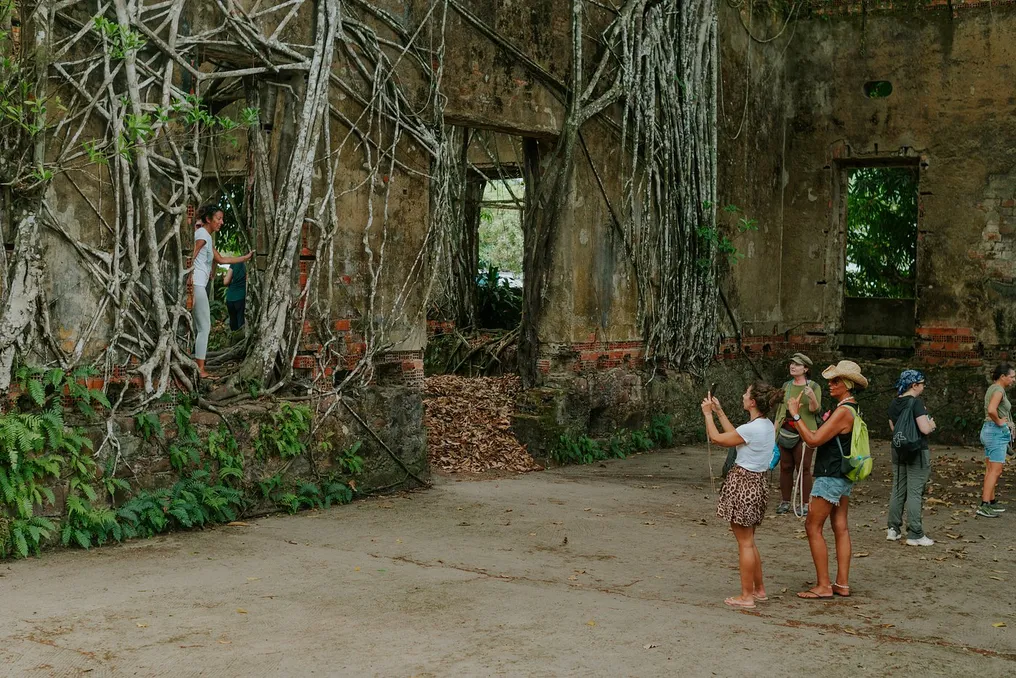
Paricatuba Ruins, a historic village near Manaus, receive a new tourist route

On the banks of the Rio Negro, in the village of Paricatuba, Amazonas state, are the Paricatuba Ruins—the remains of a magnificent century-old building. This village, recognized as a historical and cultural heritage site of the state, is located in the municipality of Iranduba, approximately 40 kilometers from Manaus.

Special attention is drawn to the stone structure overgrown with the huge roots of kapok trees—trees that embrace the walls and help them remain stable, creating a unique landscape. Construction began in the late 19th century with the aim of housing a hotel for Italian immigrants. Materials imported from Europe were used for the building's construction, which were considered expensive and valuable at the time.

Throughout the 20th century, this place served as a venue for various educational initiatives and was also converted into an isolation hospital for the compulsory treatment of people with hansen's disease (an infectious disease previously known as leprosy). Around the mid-1980s, construction was abandoned and overtaken by Amazonian vegetation, leading to the formation of the current landscape.

In September of this year, the village of Paricatuba received a full-fledged tourist route. The Paricatuba Tourist Trail was launched on September 26, 2026, as part of the Viva Paricatuba project, implemented by Impact Hub Manaus in collaboration with village residents and the Paricatuba Community Association.

Along with the launch of an official website containing information for travelers, the new tourist route included the installation of bilingual road signs and information stands throughout the village. These structures mark historical attractions such as the old morgue, the church, and one of Paricatuba's oldest houses.

The century-old ruins of the settlement have also undergone changes. A museum has been opened inside the ruins, displaying photographs, traditional regional artifacts, and old community items, all preserved and presented in glass display cases and on display tables.

Another piece of news was the creation of an open art mural called Muro Parikás, executed by graffiti artist and cultural producer Valdemiro Nascimento. This work combines illustrations of local animals and fruits, which were developed, in part, collectively based on discussions with the Paricatuba community.

The inauguration was also marked by the release of the comic book 'Paricatuba, Village of a Thousand Stories,' created by Romax Mascarenhas, an artist belonging to the Mauricio de Sousa Produções team. The work tells the story of a boy from Manaus who visits his grandmother in the village, and it can be purchased on site.

The easiest way to get to the village of Paricatuba is from Manaus. From the capital of Amazonas, one must cross the Rio Negro Bridge and travel along the Manoel Urbano Highway (AM-070) to kilometer 21 in the municipality of Iranduba. The trip by car or bus takes about 40 minutes to enter the village.

In the village itself, visitors can arrange tours of the attractions led by local residents who tell tourists the history of this historic place. For those planning to stay longer, the region also offers community guesthouses and other accommodation options, as well as restaurants and establishments serving regional breakfast with typical Amazonian flavors.

Lavandário Vale dos Sonhos, located in the interior of Paraná, offers lavender cultivation and tourist experiences.
Read more
viagemeturismo.abril.com.br

Lavandário Vale dos Sonhos, located in the interior of Paraná, offers lavender cultivation and tourist experiences.

Located near Curitiba, in the Witmarsum Colony, Lavandário Vale dos Sonhos specializes in cultivating lavender and various other aromatic herbs. This property is a pioneer in its genre in the Campos Gerais region of Paraná and was established within the Armazém do Campo, receiving its first seedlings in 2020.

Currently, the location displays nine distinct varieties of lavender, in addition to small lakes and other types of flowers, such as sunflowers and gauras. In the attached warehouse, artisanal products made with lavender are sold, including candles, diffusers, creams, bath salts, and teas.

The beauty of the flower fields attracts many photographers, making Vale dos Sonhos a popular destination for photo sessions, which require prior scheduling. Tours through the plantations and the valley's landscapes attract tourists throughout the year, as the place remains in bloom until autumn, although spring is considered the best season, between September and December, when most of the flowers are in full bloom.

For those who wish to visit as a family or in a group, there are two booking options: the simple visit and the lavender experience. The shortest option lasts about one hour and thirty minutes and includes a walk through the plantation and the warehouse. The complete experience consists of a guided tour of approximately two hours, which includes tasting items from the shop, and each visitor receives a gourmet lavender ice cream.

Group visits must be booked twenty days in advance. Vale dos Sonhos is frequently chosen for quinceañera parties, maternity shoots, weddings, and other celebrations. During regular visits, photography is only permitted with a cell phone; professional photographers or those wishing to use real cameras must request the session day in advance.

The lavender farm is open for visits only on weekends (Saturdays and Sundays) and holidays. Access to the plantation is from 10 am to 4 pm, while the warehouse remains open until 6 pm. Photo shoots can be done during the week with prior reservation. More information about bookings is available on Vale dos Sonhos' Instagram.

Tickets cost R$ 30 for adults, R$ 20 for seniors and children aged 6 to 12, and R$ 15 for children aged 2 to 5.

The lavender farm is situated within the Witmarsum Colony, in the city of Palmeira. Traveling from Curitiba, the route follows the Rodovia do Café and BR-376, taking just under an hour and offering a scenic route that passes through plantations and tree-lined streets.

Popular