The eThekwini Municipality is increasing spending on measures to reduce water losses, allocating hundreds of millions of rand to repair leaks, replace pipes, detect leaks, and hire additional personnel for water supply.
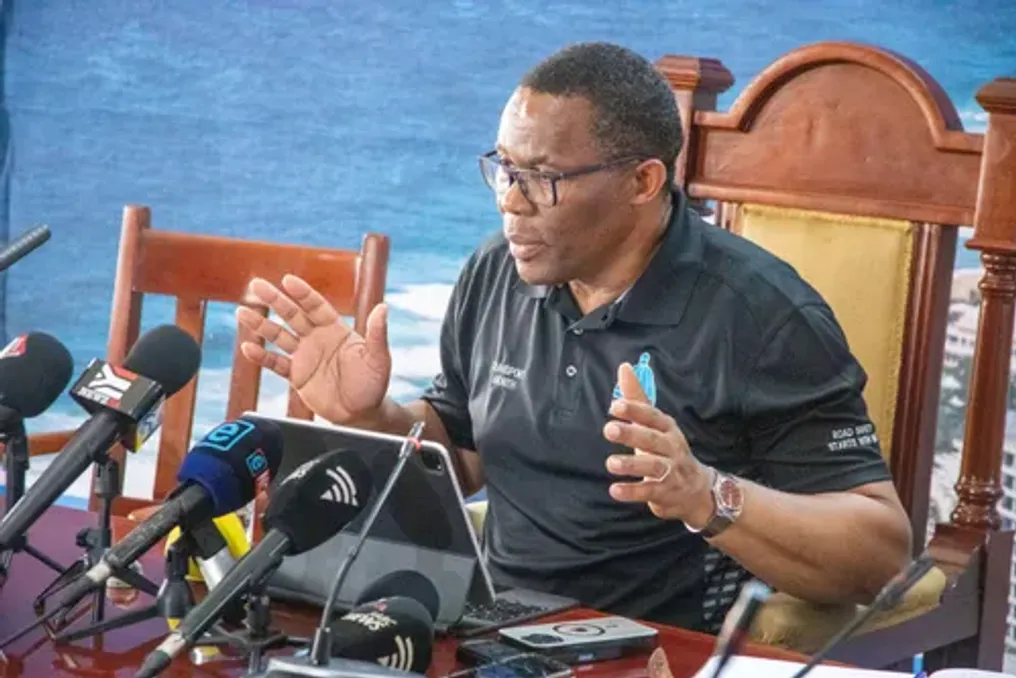
During a media briefing after a Council meeting in Durban on Sunday, commenting on the 2021–2026 local government period, Mayor Cyril Shab reported that 565 million rand has been allocated for specialized leak repairs, 102 million rand for proactive leak detection, and 100 million rand for pipe replacement.
Furthermore, an additional 124 million rand was allocated to recruit 70 out of 202 additional plumbers needed to reduce the response time to pipe bursts to four hours.
These measures are part of the Water Supply and Sanitation Transformation Strategy adopted by the Council in 2024. The strategy aims to reduce non-revenue water losses by 5% annually, with a long-term goal of achieving a non-revenue loss rate of 25% or less.
Shab emphasized that the foundation of the strategy is the commitment to reduce non-revenue water losses by 5% every year, ultimately aiming to reach a non-revenue loss rate of 25% or less. He noted that to achieve this goal, the city needs to implement a series of decisive measures, including pipe replacement, responding to leaks within 24 hours, replacing old domestic and industrial water meters, and installing main meters at water tanker refueling points, reservoirs, and hydrants.
The municipality also allocated 70 million rand for new water meters; under the program, 40,000 meters older than 15 years will be replaced annually. Shab reported that 150,000 flow restrictors were installed in high-pressure zones by the end of June. The city also increased the capacity of its meter reading teams, bringing the share of calculated meters to 6%.
The Mayor expressed confidence that the combination of these measures will significantly contribute to reducing non-revenue water losses and improving the reliability and efficiency of water supply and sanitation services over time. Additionally, the municipality allocated 54 million rand for reservoir automation and 5 million rand for main meters in rural areas.
Shab also mentioned that the city has brought water tanker maintenance in-house, investing about 345 million rand in an internal fleet of 318 tankers, with plans for further expansion by the end of the year.