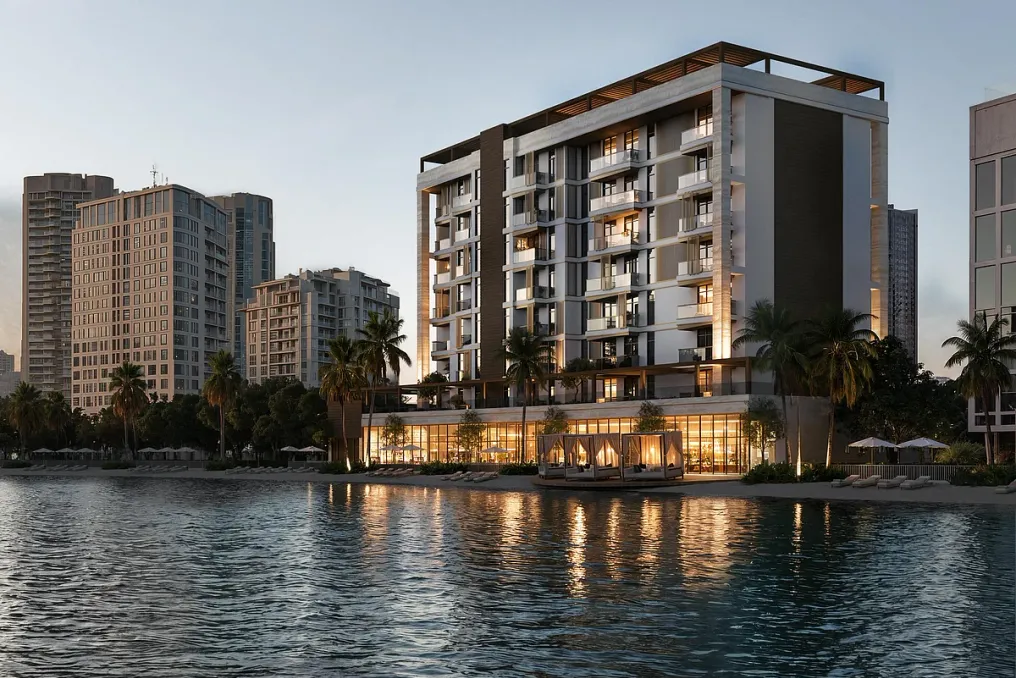
UAE Developers Explore Opportunities Along Fourth Corridor Expressway Connecting Sharjah, Dubai, and Abu Dhabi
Read more
Khaleej Times
www.khaleejtimes.com

UAE Developers Explore Opportunities Along Fourth Corridor Expressway Connecting Sharjah, Dubai, and Abu Dhabi

Developers in the United Arab Emirates (UAE) are studying the potential opened up by the recently announced 80-kilometer Fourth Corridor highway, which connects Sharjah, Dubai, and Abu Dhabi. This interest is driven by sustained demand for residential properties across the country, supported by the influx of new residents and the growing population.

According to developers, this road will make previously less convenient locations more attractive to residents, businesses, and investors, and it will serve as a foundation for creating new residential and commercial settlements along its route.

Andrea Nuchera, Managing Director of Reportage Group, reported that the company has acquired a plot of land in Abu Dhabi located near the corridor's route. This plot covers nearly 750,000 square meters and includes about 3,800 units under design. According to Nuchera, the project is likely to hit the market in 2027 or 2028.

Nuchera noted that the real estate market has undergone significant changes over the past eighteen months. During the peak of the boom, she said, developers could launch almost any project and observe high demand. However, 'we have returned to normal reality,' she added, emphasizing that sales rates in the UAE remain exceptional compared to other countries where she has worked.

Commuters using the planned Fourth Corridor in Dubai may see travel times reduced on some sections by more than half; one segment will allow a 35-minute journey to be reduced to just 14 minutes.

Speaking at the launch event for Verso and Époque projects in Meydan, she stated that the company's philosophy has not changed, and its offerings and prices align with this approach focused on helping clients generate profit.

Kalpesh Kinariwala, Chairman of Pantheon, believes that infrastructure is a key element in understanding the real estate company, as transport accessibility determines where people live, work, and invest. He noted that this corridor, which connects to the Dubai-Al Ain road and provides access to areas around Al Maktoum International Airport, will create new opportunities as these growth areas develop.

'The biggest impact of infrastructure like the Fourth Corridor is changing accessibility and, consequently, the potential of the territory,' stated Kinariwala during the presentation of the company's next phase of cultural vision through Hop Events, presenting an ambitious plan to create one of the most community-oriented cultural platforms in the region.

He also added that the significantly reduced travel time between the three emirates will open up new territories along and around the route. The corridor also links major growth drivers such as Al Maktoum International Airport and Etihad Rail.

'For real estate, better connectivity means higher demand, as people are willing to live or work in places that were previously considered less convenient,' explained Kinariwala. This could contribute to rising rental rates as communities mature and infrastructure, job, and service developments grow around them.

Nevertheless, he warned that infrastructure alone does not determine rental levels. The quality of construction, supply, amenities, and depth of demand are also important. In the view of developers, the opportunity lies in early identification of emerging growth corridors and the creation of communities capable of benefiting from the provided connectivity. Kinariwala reported that the company will continue to consider options outside of already known locations as Dubai expands eastward and southward. 'We will continue to evaluate opportunities where improved connectivity can support sustainable residential and mixed-use development,' he concluded.
Similar stories

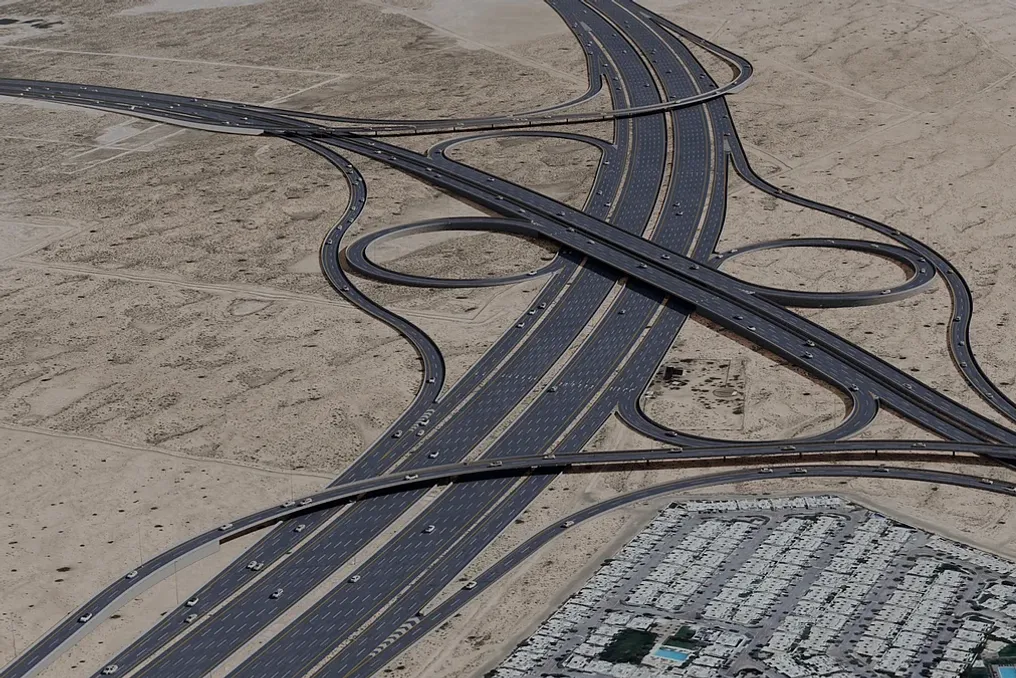
New Dubai Fourth Corridor promises residents reduced travel time and less traffic
Read more
www.khaleejtimes.com

New Dubai Fourth Corridor promises residents reduced travel time and less traffic

Residents of new, more distant areas of Dubai have long faced the problem of long commutes across the city, affecting daily needs such as trips to school, work, or short excursions to the city center.

Now, many Dubai residents believe that the implementation of the Fourth Corridor can solve this issue. For instance, 17-year-old student Damien Dexter Goveas, who has lived in Damac Hills 2 for almost five years, noted that connectivity with the rest of the UAE and central Dubai presents significant difficulties. He reported that getting anywhere in the city takes a minimum of 45 minutes from his home but believes the Fourth Corridor will make trips into the city and to school significantly easier and faster.

Last week, Sheikh Hamdan bin Mohammed bin Rashid Al Maktoum, Crown Prince of Dubai, approved the implementation of this 80-kilometer project in the emirate. This new arterial route will be the fourth major road connecting the emirates, alongside Sheikh Zayed Road, Sheikh Mohammed bin Zayed Road, and Emirates Road.

Muhammad, a Dubai resident who purchased property in The Valley, was initially skeptical about the project, fearing it was too far from central Dubai. However, his confidence was strengthened by the existing Dubai–Al Ain road and the Dubai 2040 plan. Now, after the confirmation of the Fourth Corridor, he feels his investment is paying off. He added that adding an extra lane between Emirates Rd and Lehbab Rd will make journeys even smoother.

The corridor will also provide fast access to Al Maktoum Airport, Abu Dhabi, Sharjah, and the northern emirates. Muhammad emphasized that this will eliminate the need to connect to existing highways when traveling to other emirates. He is also confident that his property value will increase, as improved transport accessibility will be an advantage rather than a drawback for future developments in the area.

This project will also help his family. His daughter, who is currently taking A-level exams, is considering universities in Academic City, Sharjah, and Abu Dhabi. Muhammad noted that travel time and connectivity were one of their concerns, and the new project should ensure faster movement regardless of where she enrolls.

Construction will proceed in two phases. The first phase covers approximately 30 km from Al Shanouf Road in Sharjah to the Dubai–Al Ain road, costing about 3.5 billion dirhams. The second phase will add another 50 km to Al Faya Road in Abu Dhabi. The highway will feature 12 lanes, 72 bridges, 17 tunnels, and 45 drainage culverts. It will be capable of handling up to 24,000 vehicles per hour and will be directly connected to Al Maktoum International Airport and Etihad Rail.

Joseph Salem, Partner and Head of Transport and Hospitality Practice at Arthur D. Little Middle East, believes this project aligns with the concept of forward-thinking infrastructure planning required by the region. He stated that by integrating road, air, and rail connectivity into a single corridor, Dubai is once again demonstrating an approach to transport as an integrated system, rather than a series of isolated fixes.

He also noted that combining a 60 percent reduction in travel time with real multimodal connections shows that Dubai is 'building potential that matches its long-term demographic and economic ambitions, rather than just reacting to today's transport pressure.' For Damien, the new highway offers hope for the development of a good public transport system. He mentioned that there are currently few accessible public transport options for city travel and hopes that after the corridor is completed, RTA will begin implementing faster and more convenient direct bus routes. He also suggested that introducing good feeder bus routes from nearby metro stations and Etihad Rail stations would be a big step forward.

Popular