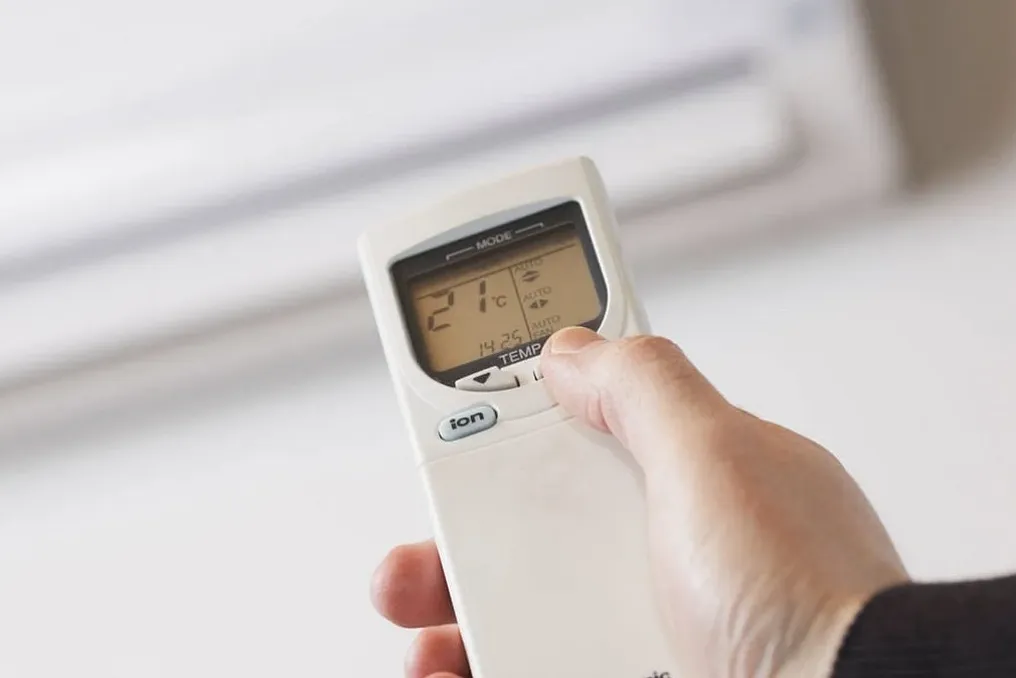
In Dubai, the summer period is often characterized by sharp contrasts: spending time in heavily cooled offices, shopping malls, or cars, followed by the sudden impact of intense external heat and high humidity. Although the human body can adapt to temperature changes, constant movement between these environments places an additional strain on both thermoregulation systems and the skin's protective barrier.
Dr. Negin Hakim, a family medicine consultant, explained that when exposed to extreme heat, blood vessels near the skin dilate to facilitate heat dissipation, the heart begins to work more intensely, and the body sweats for cooling. However, in Dubai's humid conditions, sweat evaporation occurs more slowly, which reduces the effectiveness of this cooling process.
Upon returning indoors, powerful air conditioning systems reduce the need for cooling but can cause other problems. Cold, dry air can irritate the eyes, nose, throat, and respiratory tract, especially in people suffering from asthma, allergies, or sinusitis. Nevertheless, doctors emphasize that the transition from heat to cold itself is not a direct cause of colds or flu, as these illnesses are caused by viruses, not temperature changes, as noted by Dr. Hakim.
Repeated switching can still cause discomfort in some people. Headaches, fatigue, decreased concentration, and dizziness become more likely with dehydration or poor nutrition. Heat causes vasodilation, and sweating leads to fluid and salt loss; together, this can lower blood pressure and contribute to dizziness. Dr. Hakim added that a significant temperature difference between the indoors and outdoors can lead to dizziness, dry eyes and throat, nasal congestion, runny nose, and tiredness.
The effect on the skin can be equally unpleasant. Dr. Mauricio Viel, a plastic surgeon, described the summer in Dubai as having two climates within one day. Outdoors, the heat increases sweating and sebum production. Indoors, air conditioners remove moisture from the air, which promotes water evaporation from the skin's surface. As he noted, the result is a typical summer paradox: the skin is simultaneously oily and dehydrated. Patients often try to solve this problem by using aggressive cleansing agents and acids, which, in turn, further damages the skin barrier and can trigger increased sebum production.
Residents may notice tightness after showering, flaking around the nose and mouth, redness, breakouts, heat rash, and makeup application issues. Most of these changes are temporary and can improve within a few weeks with the use of milder skincare and better hydration. A longer-term issue remains the cumulative effect of sun and heat. UV radiation and heat can contribute to pigmentation, collagen breakdown, fine lines, and loss of elasticity over time. He also noted that people prone to melasma or post-operative pigmentation may notice an exacerbation of symptoms during the hottest months.
Doctors advise residents to maintain a comfortable, rather than excessively cold, temperature indoors, to avoid sitting directly under ventilation outlets, and to drink water regularly throughout the day, including while indoors. Dr. Somaeh Shamsaei, an internal medicine specialist at Aster Clinic, JLT, pointed out that this effect may be more noticeable in the elderly, pregnant women, diabetics, and individuals with heart conditions. She warned that heat exposure can cause peripheral vasodilation, increased pulse rate, and a slight drop in blood pressure. Transitioning to a cool place reverses these changes, which can be dangerous for people with pre-existing heart problems.
When going outside, it is recommended to take a break to acclimatize, avoid rushing into intense physical activity, and, if possible, limit time spent outdoors during peak heat hours. Doctors insist that hats, sunglasses, shade, and broad-spectrum sunscreen SPF 50 remain necessary, requiring reapplication every two hours outdoors.
From a skincare perspective, experts recommend using a mild cleanser, a moisturizing cream with barrier-supporting components such as ceramides or niacinamide, and refraining from excessive use of strong acids and retinoids in the middle of summer. A humidifier can also be beneficial in bedrooms or rooms with intensive air conditioning. Residents should understand that persistent dizziness, unusual fatigue, wheezing, constant coughing, or shortness of breath cannot be attributed to simple 'summer fatigue.' Headache, nausea, profuse sweating, noticeable weakness, or reduced urination after heat exposure may signal dehydration or heat exhaustion.