Panpati Roti Recipe: A Traditional Flatbread Rolled by Hand, Not with a Rolling Pin
Read more
Aaj Tak
www.aajtak.in

Panpati Roti Recipe: A Traditional Flatbread Rolled by Hand, Not with a Rolling Pin

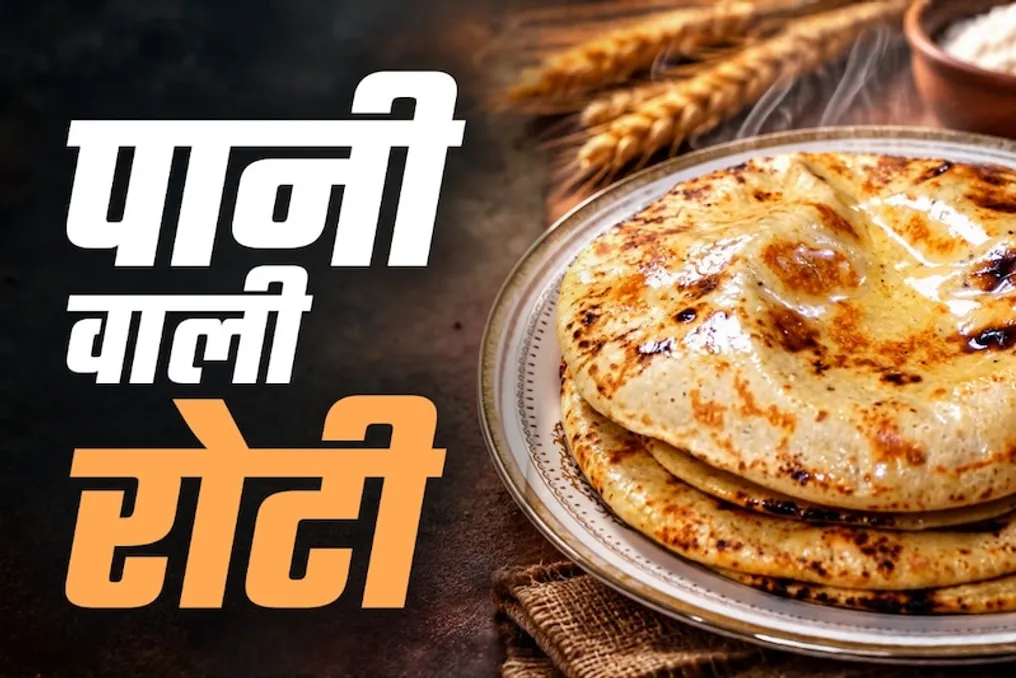
If you want to try something more exquisite and delicious than the usual everyday flatbread, you can make Panpati Roti. Instead of rolling it with a rolling pin, it is stretched on hands moistened with water, and then served with oil alongside dal or a vegetable dish.

Roti is an integral part of Indian cuisine and is prepared differently in every home. Panpati Roti, also known as water bread, is a traditional type of bread formed by gradual stretching on wet hands rather than rolling. The ingredients include wheat flour, besan, and ajwain, which gives it a special, richer flavor. Historically, it was cooked over an open fire, but now it is easy to prepare on a gas stove. After frying in a pan and brushing with oil, it is served hot with dal or vegetables. Next is a simple method for making Panpati Roti on a stove.

Ingredients

The following ingredients are required for preparation: 2 cups of wheat flour (300 grams), half a cup of besan (50 grams), 2 tablespoons of ghee, half a teaspoon of ajwain, 2 teaspoons of oil, slightly more than half a teaspoon of salt, and about 1 cup of lukewarm water.

First, mix the wheat flour, besan, ajwain, salt, and oil in a large bowl. Then, gradually add the lukewarm water and knead the dough. For Panpati Roti, the dough should be slightly denser than for a regular chapati. After kneading, cover the dough and let it rest for about 20 minutes to stabilize well. After 20 minutes, take out the dough and gently knead it again.

Cooking Procedure

Next, take a piece of dough and, by kneading it with your hands, form a round ball. Apply a little water to both palms. Place the ball on one palm, and then, using the fingers and thumb of the other hand, slowly enlarge the edges of the ball by pressing on it. When the ball becomes slightly larger, place it between both palms and carefully thin it out by applying light movements. It needs to be stretched as thinly as possible, but care must be taken not to make the roti too thin, otherwise, it may tear when placed on the griddle.

Place the finished roti on a hot griddle and fry lightly. When one side is slightly browned, flip it and fry until brown on the other side. After the roti is well cooked on both sides, remove the griddle from the heat and place the roti over low or medium heat to brown evenly on both sides. Once the roti is fully cooked, brush some ghee on top. Prepare the remaining rotis similarly from the leftover dough. It can be served hot with any favorite vegetable or dal dish. Adding ghee significantly enhances the flavor of the roti.

It is also noted that Panpati Roti can be made exclusively from wheat flour.
Similar stories

How to make spicy dwarf bhurji from pumpkin fruits with chickpea flour and fennel
Read more
www.aajtak.in

How to make spicy dwarf bhurji from pumpkin fruits with chickpea flour and fennel

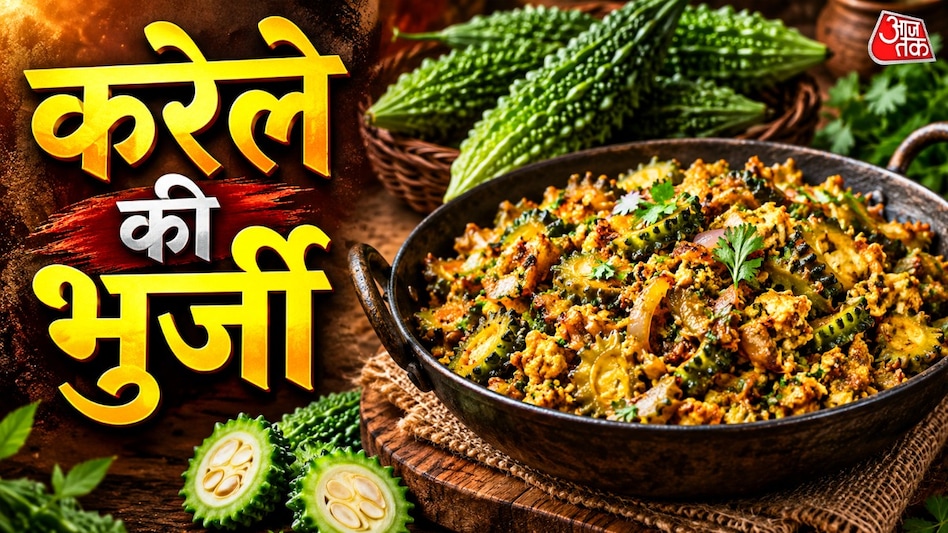
Dwarf fruit (karela) is very healthy, but due to its bitterness, it is often absent from the tables of children and the elderly. Nevertheless, if karela is prepared using the right spices, it can turn out quite appetizing. If people in your house grimace at the sight of karela, be sure to try this spicy karela bhurji made with chickpea flour and fennel.

The aroma of fennel and the softness of chickpea flour completely mask the bitterness of karela. Serving this unique bhurji with roti or paratha guarantees that everyone will enjoy the food.

Ingredients

The following components are needed for preparation: karela — 250 grams (thinly sliced or grated); chickpea flour (besan) — 3 large spoons; fennel (minced) — 2 large spoons; onion — 2 large (finely chopped); green pepper — 2 (finely chopped); turmeric powder — 1/2 teaspoon; red chili powder — 1 teaspoon; coriander powder — 1 large spoon; amchur powder or lemon juice — 1 large spoon; cumin and nigella seeds — 1/2 teaspoon; asafoetida — 1/4 teaspoon; mustard seed oil — 3 large spoons; salt — to taste.

Cooking Method

First, mix the thinly sliced or grated karela with 1 teaspoon of salt and leave it for 15–20 minutes. Then squeeze it by hand to remove all bitter liquid, and rinse it with clean water, drying it.

In a dry pan, fry the chickpea flour over low heat until lightly golden and fragrant, then transfer it to a plate.

Now heat the mustard seed oil in the pan. As soon as the oil heats up, add asafoetida, cumin, nigella, and minced fennel. Fennel will give the bhurji excellent flavor and aroma.

After this, add the chopped onion and green pepper and fry until light pink. Then add the squeezed karela and simmer on medium heat covered for 7–8 minutes, until the karela becomes soft.

When the karela is well cooked, add turmeric, red chili powder, coriander powder, and salt, mix, and simmer for another 2–3 minutes.

Next, sprinkle the fried chickpea flour and amchur powder on top. Mix thoroughly and cook over low heat for 3–4 minutes so that the chickpea flour and spices evenly coat the karela.

The finished hot, spicy, and non-bitter karela bhurji with chickpea flour and fennel is ready. It is served with roti, puri, or paratha.

Zucchini Flatbread Recipe: A Healthy and Tasty Option for Children
Read more
www.aajtak.in

Zucchini Flatbread Recipe: A Healthy and Tasty Option for Children

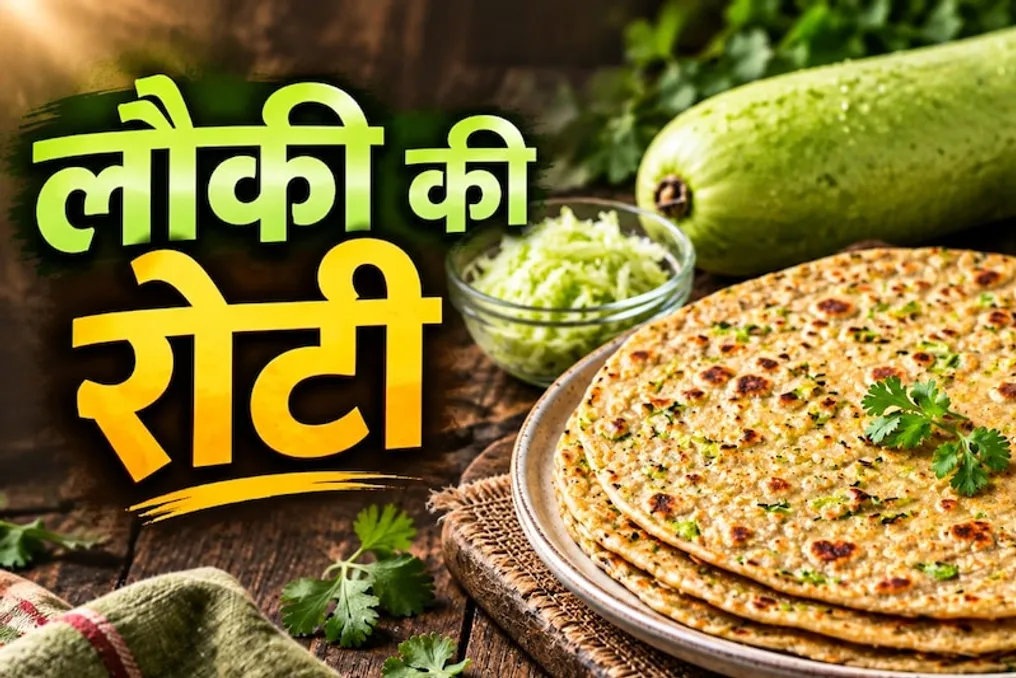
Zucchini (lauki) is considered a very healthy product because it contains a lot of water, fiber, and various necessary nutrients that help improve overall health. Although you may have tried various zucchini dishes, you may never have tried flatbreads made from it. If so, we will tell you a simple way to prepare zucchini flatbreads.

These flatbreads can be prepared even for children who usually do not like zucchini. They can be eaten for breakfast, lunch, or dinner, served with yogurt, vegetable stew, or chutney. Next, we will describe in detail how to make zucchini flatbreads at home and what ingredients are needed for this.

Ingredients (for 2 servings)

To prepare, you need: 1 cup of grated zucchini, 1 cup of wheat flour, salt to taste, red pepper to taste, water as needed, and ghee for brushing the flatbreads.

Benefits of Zucchini Flatbreads

Thanks to its high water content, zucchini helps maintain the body's water balance. Additionally, it is rich in fiber, which is beneficial for digestion and promotes a feeling of fullness for a long time.

Zucchini also contains many important vitamins and minerals. Thus, zucchini flatbreads made with wheat flour can be a simple way to incorporate vegetables into the daily diet.

Popular