Largest Tulip Field in Latin America is Located in Argentina
Read more
Viagem e Turismo
viagemeturismo.abril.com.br

Largest Tulip Field in Latin America is Located in Argentina

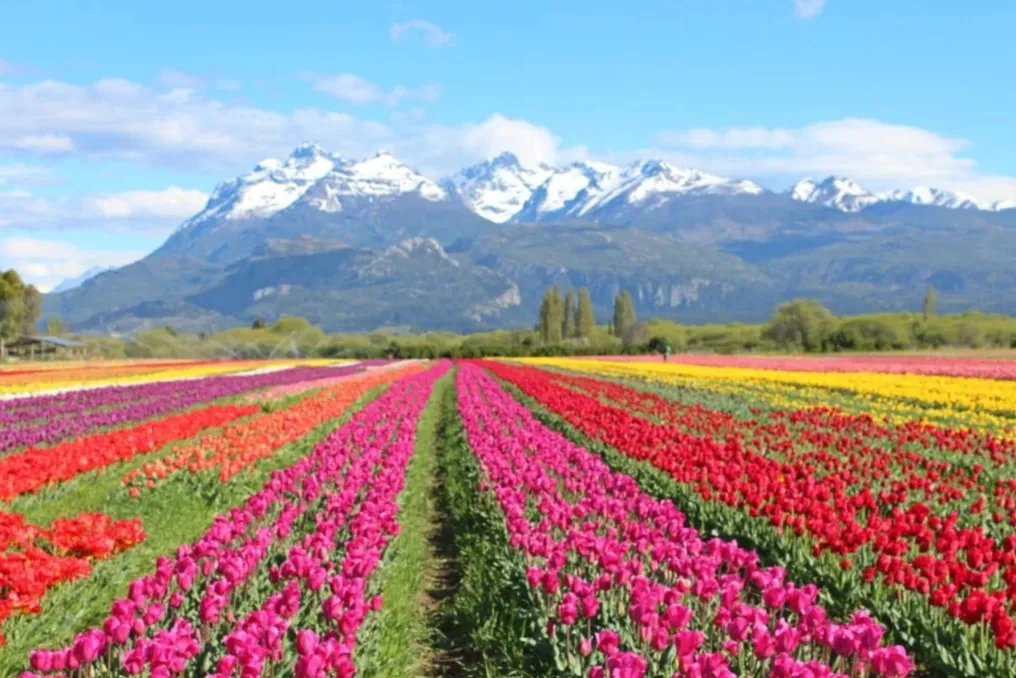
In the city of Trevelin, located more than 1800 kilometers southwest of Buenos Aires, there is an extensive tulip planting that comes alive in the spring. This field is the largest of its kind in Latin America and demonstrates that one does not necessarily have to travel to the Netherlands to enjoy these flowers, although tulips are native to Turkey.

The Argentine field covers an area of 3 hectares and contains about 2 million bulbs, which are arranged in rows. In addition to the bright colors, the plantings are surrounded by a picturesque landscape, including mountains, valleys, and rivers, offering views of the snow-capped peaks of the Andes range.

Besides access to the garden, the Gauchean colony in Trevelin offers other attractions for tourists. On the first Sunday of November, the city holds a Tulip Festival in the Coronera Fountain square dedicated to the cultivation of these flowers. The event includes musical performances, crafts, and local cuisine.

Those who wish to see the breathtaking scenery can take a hot air balloon ride over the tulip field, offering a privileged view of the surrounding mountains. Nearby the field are the Arroyo Nant and Fal waterfalls. Access to them is via a trail through local forests leading to viewpoints and bridges overlooking the waterfalls.

For those interested in the region's history, the Moulin Nant Fah is available—a full-scale reconstruction of the old town mill. Today it functions as a museum, displaying original equipment and tools.

The tulip field is open only for one month a year during the spring. Blooming occurs from October 7th to November 7th, but the peak bloom usually falls in the second half of October, when the rows of tulips are perfectly aligned and filled with vibrant colors. After this period, the tulips are harvested, the bulbs are put up for sale, and the field closes to visitors until the next blooming season.

The easiest way to get to Trevelin is by flying to the neighboring city of Esquel, which is 25 kilometers away. This stretch can be covered by taxi or private transport along National Road 259, taking about 30 minutes. The tulip field is also located on Route 259, and it can be reached by tourist bus or as part of organized tours if you do not plan to use a taxi, car, or ride-hailing app.

The field operates from 9:00 AM to 7:00 PM from October to November. The general entrance ticket, purchased on site, costs 45,000 Argentine pesos. With early booking on the website, the price is 42,000 Argentine pesos (prices are valid as of September 2026). Children under 12 years old have free entry.
Similar stories

Rio de Janeiro Botanical Garden is the oldest in Latin America and highlights its attractions
Read more
viagemeturismo.abril.com.br

Rio de Janeiro Botanical Garden is the oldest in Latin America and highlights its attractions

The Rio de Janeiro Botanical Garden is recognized for its beautiful landscapes, created from collections of flowers and plants that attract both tourists and city residents. In addition to its aesthetics, the garden holds great scientific importance for botany, housing species from diverse origins ideal for research. This site has been designated as a protected heritage by the National Institute of Historic and Artistic Heritage (Iphan) since 1937.

Its historical trajectory dates back to 1808, the year it was established by Prince Dom João VI, granting it the title of the oldest institution of its kind in Latin America. Initially, the purpose was to establish an acclimatization area for spice seedlings from the East, such as cinnamon and nutmeg. Currently, the Botanical Garden is one of the most appreciated attractions in the capital of Rio de Janeiro.

With an area exceeding 540,000 square meters, the park is segmented into multiple thematic spaces filled with world flora. One of the most emblematic points is the Barbosa Rodrigues Avenue, the main avenue of the complex, lined with imperial palms, serving as a classic backdrop for travel photographs.

Japanese Garden

The Japanese Garden, as its name suggests, displays species characteristic of Japan. In this environment, one can find bonsai and cherry trees, as well as an oriental-style bridge spanning a pond with carp, referencing Japanese culture.

The Orchidarium and Bromeliadarium greenhouses cultivate hundreds of varieties of orchids and bromeliads. This section of the park is also highly sought after by visitors due to the beauty and variety of species, including rare specimens.

For visually impaired people, there is the Sensory Garden, designed to provide an intense experience of textures and aromas, allowing visitors to touch and smell all the vegetation present on the site.

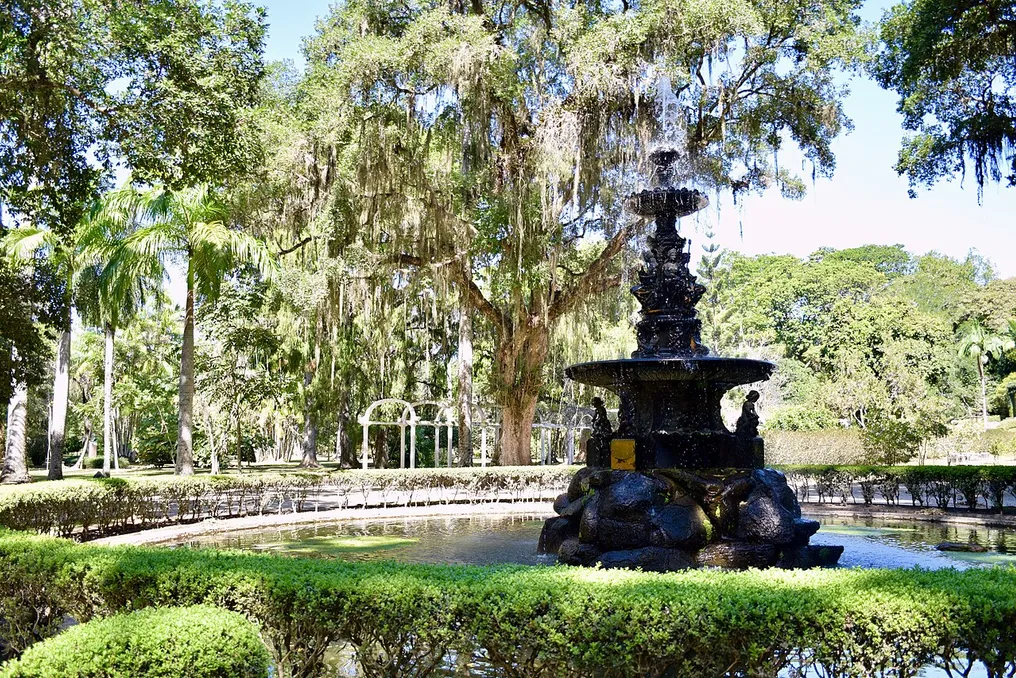
In the center of the park, there is the Fountain of the Muses, another frequently photographed spot. This fountain consists of two basins and is decorated with four sculptures symbolizing science, poetry, art, and music. The work was relocated from Largo da Lapa to its current position in 1905.

The Botanical Garden also houses a cultural center, the Botanical Garden Museum. This space offers art exhibitions and interactive content, in addition to an educational schedule. Its objective is to highlight the work carried out by the park and biologists in developing public policies and strategies for the conservation of local flora over its more than 200 years of existence.

Located at Rua Jardim Botânico, number 1008, access can be made by car, ride-sharing apps, or bus. It is important to note that the location does not have its own parking for private vehicles.

The park operates from Monday to Sunday, from 8 am to 5 pm, except on Wednesdays, when it opens later, at 11 am. The museum is not open on this day. Tickets can be purchased on the official Botanical Garden website, costing R$ 40 for Brazilian citizens and R$ 80 for foreigners.

Wildflowers bloom in the Atacama Desert of Chile after record rains
Read more
getaway.co.za

Wildflowers bloom in the Atacama Desert of Chile after record rains

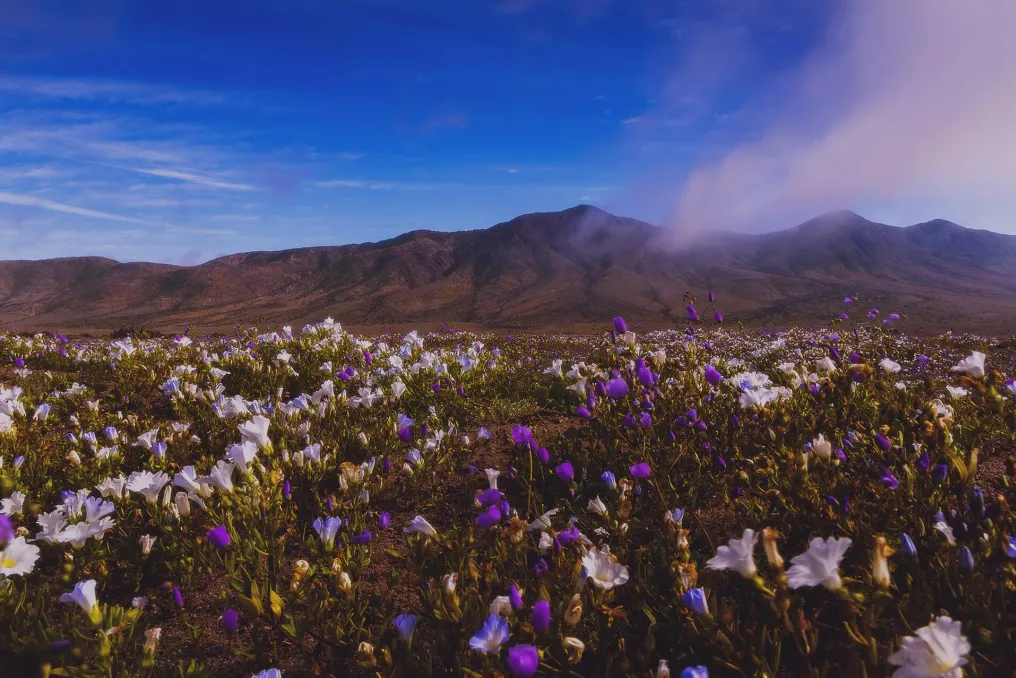
In the Llanos de Chañile National Park, located along the northern coast of the Pacific Ocean in Chile, pink and purple wildflowers have spread across the dry land. This is one of the places where visitors were able to see this year's bloom, known as Desierto Florido—a burst of spring colors in the world's driest non-polar desert.

As reported by Good News Network on November 10, this is one of the largest floral displays in Atacama in recent decades, and researchers are still determining its place among all recorded events.

Significant rainfall was recorded in the northern regions of Chile in July and August. The rain provided enough moisture for seeds that had long been in the soil to germinate. The first flowers appeared in the second half of August, and by September, more extensive areas became visible throughout the region.

The Atacama regional government predicted the blooming of over 200 species of local plants during the season. Officials suggested that the blooming conditions could cover about 17,700 square kilometers, which is nearly a quarter of the Atacama region. The greatest diversity of flowers was expected around mid-October.

In addition to the Llanos de Chañile National Park, regional officials pointed to the coastal area around Freirina and part of the Totoral district as places where this bloom can be observed. Authorities asked visitors to enjoy the flowers using established routes and trails so they can stop and examine the plants without damaging them.

By mid-November, most of this year's bloom was expected to begin fading. According to the regional seasonal forecast, some flowers, including the local garra-de-león, may bloom until the second half of the month. Those already traveling in the area are advised to check which flowers are still blooming in the area before starting their trip.

New flower species discovered in Arunachal at an altitude of 9186 feet
Read more
www.aajtak.in

New flower species discovered in Arunachal at an altitude of 9186 feet

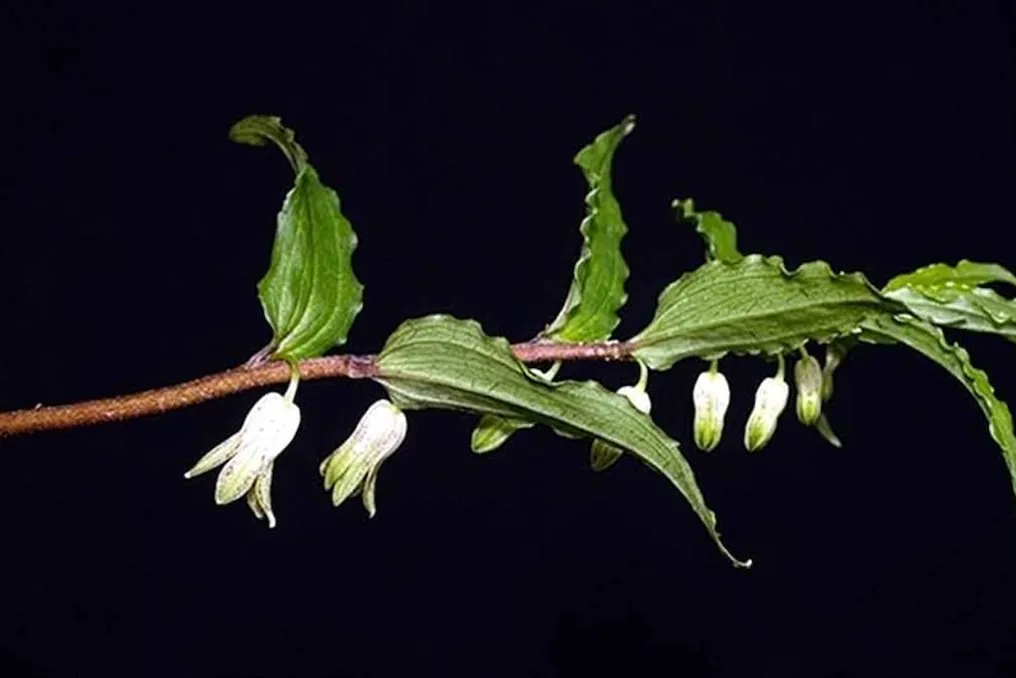
A new flower species, named Disporopsis crispata, has been discovered in the Changlang district of Arunachal. This marks the first recorded appearance of the genus Disporopsis in the country. The plant was found in the Vijayanagar area at an altitude between 2500 and 2800 meters.

Information about this finding was published in the international botanical journal Phytotaxa. This discovery highlights the unique botanical richness of the state's dense forests and high-altitude regions.

According to scientists, such discoveries not only add to the registry of new species but also contribute to understanding the region's ecology. Deputy Minister Chauna Main called this finding evidence of the rich biodiversity and ecological significance of the state's forests.

He congratulated the researchers and local communities who helped make the discovery in his post on X. Main emphasized the need to conserve the state's forest ecosystem and protect its unique flora and fauna. Local knowledge and participation often play a crucial role in such searches, as residents are well acquainted with the local vegetation.

This finding also underscores the need for continuous research and conservation efforts for vegetation in Arunachal. The state is known for its rich and diverse natural heritage. The discovery of new species indicates that many more unnoticed plants may exist in the forests.

Without conservation measures, such species could be threatened by climate change, deforestation, or other pressures. The state can better protect its biodiversity by encouraging both scientific research and local community involvement.

Popular