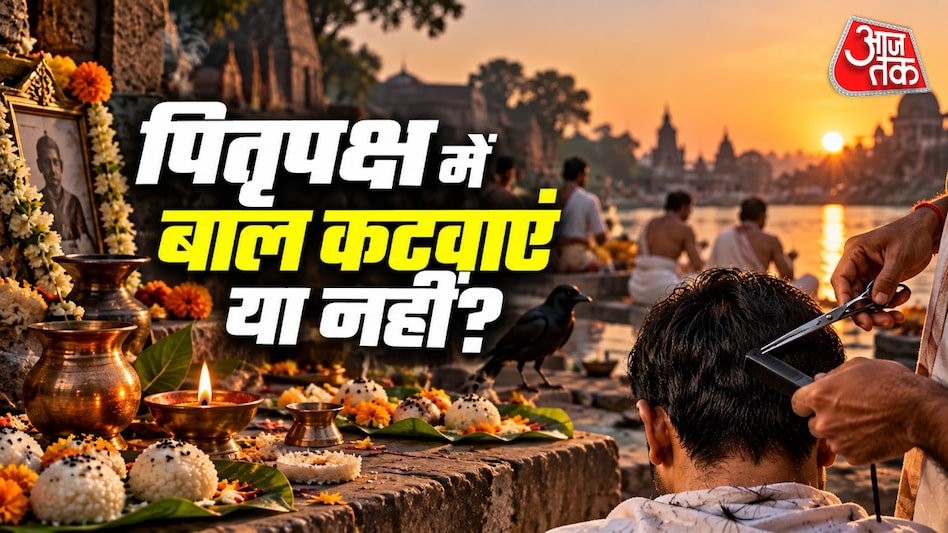
During Pitr Paksha 2026: Should Hair Be Cut According to Sacred Scriptures?
Read more
Aaj Tak
www.aajtak.in

During Pitr Paksha 2026: Should Hair Be Cut According to Sacred Scriptures?

Pitr Paksha is currently underway, running from September 26 to October 10 this year. This period is also known as Shraddha Paksha. There are numerous beliefs associated with Pitr Paksha that people observe, although they often do not know the true reasons behind these traditions. One such belief is the prohibition of cutting hair during Pitr Paksha.

In Hinduism, it is considered that cutting hair during this period is forbidden. Some believe that doing so may cause displeasure among ancestors. The main source of information on this matter in Hinduism is the ancient text Dharma Sindhu. It contains the verse:

«पितृपक्षे न कर्तव्यं क्षौरं श्राद्धदिने क्वचित्। कृते तु तत्र क्षौरे तु केशाः पितृमुखे पतन्ति॥»

This verse means that shaving should not be performed on Shraddha days during Pitr Paksha. That is, one should refrain from trimming beards and hair on Shraddha days. According to the belief, if hair is cut on a Shraddha day, the cut hair falls into the mouth of the ancestors. Therefore, astrologers advise against getting a haircut on these days, as it leads to hair falling into the ancestors' mouths and causes their displeasure.

Besides cutting hair and beards, several other actions are recommended to avoid during Shraddha days. It is also advised to refrain from cutting nails. Furthermore, rituals such as weddings, engagements, housewarming ceremonies, or Mundan are prohibited. During this period, it is also not recommended to open a new shop or start a new business. It is important that during this sacred time, only sattvic foods should be consumed, excluding tamasic items such as garlic, onion, and asafoetida, as well as meat and eggs.

According to the calendar, Purnima Shraddha falls on September 26, 2026 (Saturday), and Prabhadhi Tithi Shraddha is on September 27, 2026 (Sunday). Subsequent dates include Dwitiya Shraddha on September 28, 2026 (Monday), Tritiya Shraddha on September 29, 2026 (Tuesday), as well as Chaturthi and Panchami Tithi Shraddha on September 30, 2026 (Wednesday). Shashti Tithi Shraddha is scheduled for October 1, 2026 (Thursday).

Following this are Saptami Tithi Shraddha on October 2, 2026 (Friday), Ashtami Tithi Shraddha on October 3, 2026 (Saturday), Navami Tithi Shraddha on October 4, 2026 (Sunday), and Dashami Tithi Shraddha on October 5, 2026 (Monday). The cycle continues with Ekadashi Tithi Shraddha on October 6, 2026 (Tuesday), Dwadashi Tithi Shraddha on October 7, 2026 (Wednesday), and also Magha Tithi Shraddha on October 7, 2026 (Wednesday). Next are Trayodashi Tithi Shraddha on October 8, 2026 (Thursday) and Chaturdashi Tithi Shraddha on October 9, 2026 (Friday). The period concludes with Sarvapitri Amavasya on October 10, 2026 (Saturday).

Similar stories

During Pitr Paksha 2026: 4 Actions to Avoid After Performing Shraddha Puja
Read more
www.aajtak.in

During Pitr Paksha 2026: 4 Actions to Avoid After Performing Shraddha Puja

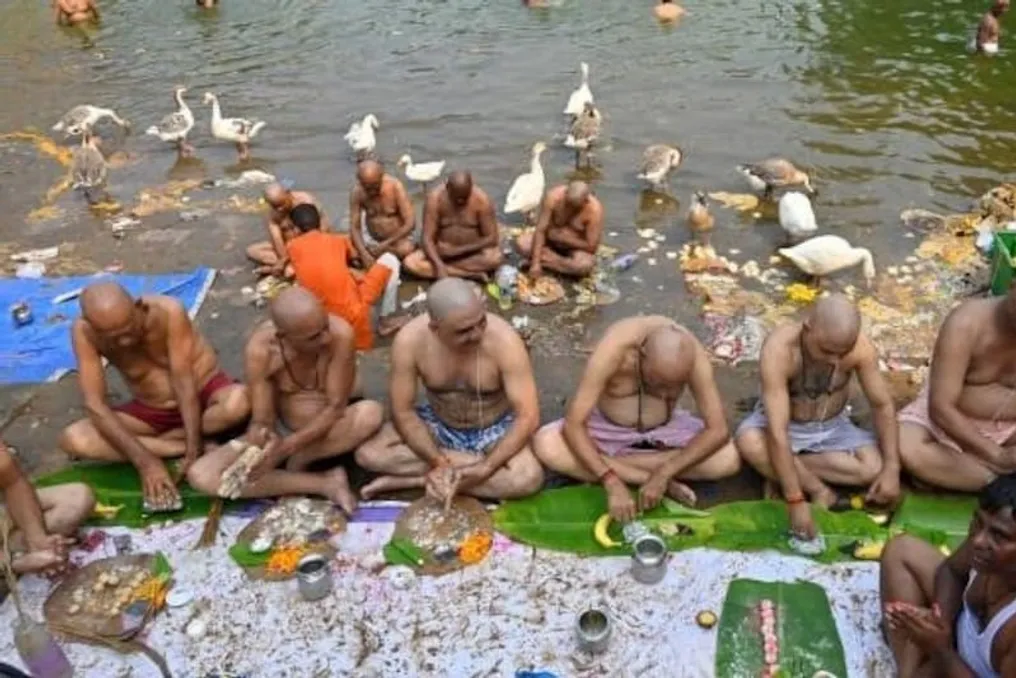
Pitr Paksha 2026 will begin on Sunday, September 27th, and conclude on Saturday, October 10th. In Hinduism, Pitr Paksha (Sharaddha Paksha) holds deep religious and spiritual significance. During these 16 days, which start with Badrapada Purnima and end with Ashwin Amavasya (Sarapitra Amavasya), rituals such as pind dan, tarpan, and sharaddha karma are performed to ensure the peace, satisfaction, and blessings of ancestral souls (pitrus).

According to religious beliefs, during Pitr Paksha, our ancestors appear on Earth in an invisible form and accept water and food offered by relatives. However, sometimes people make certain unconscious mistakes after performing worship and sharaddha rites, which can lead to the loss of the ceremony's benefits and cause pitr dosha.

According to astrological and sacred rules, there are four mistakes made immediately after tarpan or sharaddha puja that can nullify the results of all rituals and become the cause of pitr dosha. It is necessary to know which four actions one should strictly refrain from after worshipping ancestors.

Eating or rushing to eat immediately after tarpan

It is incorrect to sit down at the table and eat immediately after completing sharaddha or tarpan. Before Brahmins are offered food and a portion is allocated for Panchbali (cow, dog, crow, god, and ant), household members should not eat independently. Sattvic food should only be consumed after food has been offered to the pitrus and Panchbali.

Consuming garlic, onions, and tamasic foods

Even after performing tarpan or sharaddha karma, the atmosphere of the home and the food must remain sattvic throughout Pitr Paksha. After sharaddha puja, it is strictly forbidden to consume alcohol, meat, or tamasic food containing garlic and onions. Such actions can anger the pitrus and negatively affect peace and tranquility in the home.

Conflicts, anger, or disrespect in the house

During Pitr Paksha, our ancestors reside in a subtle form near the house. Speaking harsh words or creating disorder in the house after tarpan brings negative energy. One should avoid anger, arrogance, and arguments with family members or elders after sharaddha puja. Furthermore, one must not turn away any poor or helpless person or animal that comes to the door; they must definitely be given food and water.

Cutting hair/beard or buying new clothes/goods

In Hindu tradition, Pitr Paksha is considered a time of abstinence, spiritual practice, and showing respect to ancestors, rather than a time for material celebrations or adornments. During the days of tarpan and sharaddha, one should refrain from cutting hair, nails, or beard. It is also recommended to refrain from purchasing new items, such as clothing, vehicles, or real estate, or starting any new auspicious deeds immediately after the puja.

To achieve the full result of the sharaddha puja during Pitr Paksha, it is essential to offer green grass or rice with gurreta for the cow, as well as a portion of food for the crow and dog from your hands after tarpan and pindan. The crow is considered a messenger of the pitrus, so food passed through it reaches the ancestors directly. After this, one should pray to the pitrus for the happiness, peace, and prosperity of the family with selflessness.

Pitru Paksha Dates 2026: Beginning and End of Ancestor Worship Period
Read more
www.aajtak.in

Pitru Paksha Dates 2026: Beginning and End of Ancestor Worship Period

In Hinduism, Pitru Paksha, also known as Shraddha Paksha, is considered the most sacred time to express deep respect and gratitude to ancestors. During these sixteen days, which fall in the dark fortnight of the Ashwin month, people perform rituals such as pindadana, tarpana, and charity to ensure peace, satisfaction, and receive the blessings of their ancestors' souls.

In 2026, Pitru Paksha will begin on September 26, 2026 (Saturday) with Pournima Shraddha and conclude on October 10, 2026 (Saturday) on the day of Sarvapitri Amavasya. Since there are no date reductions this year, the Shraddha period will be observed for the full 16 days while adhering to all traditions and rules.

Shraddha Period in 2026

According to the calendar, Pournima Shraddha will start on September 26, 2026 (Saturday), and the first date, Pratipada Shraddha, falls on September 27, 2026 (Sunday). The entire period concludes on October 10, 2026 (Saturday) with Sarvapitri Amavasya.

From an astrological perspective, this period, beginning and ending on a Saturday, is considered particularly auspicious. Saturday is regarded as an ideal day to receive grace from both the deity Shani and the ancestors.

Auspicious Times for Shraddha and Tarpana (Kutap and Rohini Kala)

According to sacred scriptures, the rituals of tarpana and pindadana for ancestors should be performed exclusively during the daytime. For this purpose, Kutap and Rohini Kala have been specifically designated as the best moments:

  • Kutap Muhurta: from 11:36 AM to 12:24 PM
  • Rohini Muhurta: from 12:24 PM to 1:12 PM
  • Aprachahar Kala: from 1:12 PM to 3:36 PM

Full List of Shraddha Dates in 2026

Below is the complete list of dates for performing Shraddha:

  • Pournima Shraddha - September 26, 2026, Saturday
  • Pratipada Tithi Shraddha - September 27, 2026, Sunday
  • Dwitiya Shraddha - September 28, 2026, Monday
  • Tritiya Shraddha - September 29, 2026, Tuesday
  • Chaturthi and Panchami Tithi Shraddha - September 30, 2026, Wednesday
  • Shashthi Tithi Shraddha - October 1, 2026, Thursday
  • Saptami Tithi Shraddha - October 2, 2026, Friday
  • Ashtami Tithi Shraddha - October 3, 2026, Saturday
  • Navami Tithi Shraddha - October 4, 2026, Sunday
  • Dashami Tithi Shraddha - October 5, 2026, Monday
  • Ekadashi Tithi Shraddha - October 6, 2026, Tuesday
  • Dwadashi Tithi Shraddha - October 7, 2026, Wednesday
  • Magha Tithi Shraddha - October 7, 2026, Wednesday
  • Trayodashi Tithi Shraddha - October 8, 2026, Thursday
  • Chaturdashi Tithi Shraddha - October 9, 2026, Friday
  • Sarvapitri Amavasya - October 10, 2026, Saturday

Main Rules for Performing Shraddha Rituals, Including Panchbali and Tarpan

On the day of Shraddha, after preparing food, it is necessary to first set aside a portion for Panchbali (which includes a cow, dog, crow, deity, and ant). According to belief, the food offered to these creatures directly reaches the ancestors.

When offering tributes to the ancestors (Jalandjali), pure water, a little raw milk, water from the Ganges, and black seeds should be used in a copper vessel. When performing tarpana, one must hold a kusha in the ring finger of the right hand.

Throughout all sixteen days, a completely sattvic atmosphere must be maintained in the house, avoiding the consumption of garlic, onion, meat, and alcohol. Furthermore, disrespect should not be shown to any destitute person or animal that comes to the house.

Pitru Paksha Calendar 2026: Date of the First Shraddha and Observance Rules
Read more
www.aajtak.in

Pitru Paksha Calendar 2026: Date of the First Shraddha and Observance Rules

The period of Pitru Paksha, which lasts for 15 days and is also known as Shraddha Paksha, is approaching. Currently, there is some uncertainty among people regarding the start date of Pitru Paksha and the date of the first Shraddha. The schedule for Pitru Paksha for this year is presented below, along with the corresponding Shraddha rules.

According to the Hindu Panchang, Pitru Paksha this year will begin on September 26th with the full moon of Bhadrapada. The first Shraddha dedicated to ancestors who passed away on the day of the full moon will be performed on this day. The Pitru Paksha period will conclude on October 10th with Shraddha on Sarva Pitru Amavasya. On this day, rituals can be performed for relatives whose dates of death are unknown.

The schedule includes the following dates: September 26th — Shraddha on Bhadrapada full moon (Saturday); September 27th — Shraddha on Pratipada (Sunday); September 28th — Shraddha on Dwitiya (Monday); September 29th — Shraddha on Tritiya (Tuesday); September 30th — Shraddha on Chaturthi (Wednesday); October 1st — Shraddha on Panchami (Thursday); October 2nd — Shraddha on Shashti (Friday); October 3rd — Shraddha on Saptami and Ashtami (Saturday); October 4th — Shraddha on Navami, known as Matri Navami (Sunday); October 5th — Shraddha on Dashami (Monday); October 6th — Shraddha on Ekadashi (Tuesday); October 7th — Shraddha on Dwadashi (Wednesday); October 8th — Shraddha on Trayodashi (Thursday); October 9th — Shraddha on Chaturdashi (Friday); October 10th — Shraddha on Amavasya (Saturday).

During the Shraddha days, it is recommended to refrain from cutting hair, beard, and nails. It is also forbidden to consume meat products, alcohol, and tamasic food, as well as garlic and onions. Furthermore, one should not purchase new clothes. During Pitru Paksha, it is also necessary to refrain from starting marriages, engagements, Mundan ceremonies, moving into a house, or any other new ventures.

Feeding water and food to animals such as cows, dogs, crows, or other creatures that come to the door holds special significance during Pitru Paksha. It is believed that such actions please the ancestors and bring blessings for the growth of the lineage. Due to the mercy of the ancestors, poverty disappears, and financial prosperity comes to the family. Therefore, on these days, in addition to showing reverence to ancestors, great importance is given to acts of charity and service.

Popular